James Whelan Butchers: The Magic (One) Pot

Posted on Monday, July 15th, 2013 by Pat Whelan in Foodie Articles | No Comments »

When the summer is hot the cooking should be easy.  Particularly if you have school going children, the summer is also about relaxing the routines and settling in to a looser and more informal lifestyle for a few weeks.  While some people have the luxury of blending seamlessly into the summer regime, for others who work outside the home, rather than being more relaxed and unstructured, it becomes chaotic and exhausting.  The lack of routine can throw people off and thinking of new meals on top of all the other life stress can be the straw that breaks the overworked camel’s sweaty back.

Summer is a time to celebrate an abundance of fresh ingredients.  If you do grow your own I have no doubt that sitting in the garden these days amongst the herbs and the vegetables is pure joy to the olfactory senses as the those wonderful wafting fresh scents perfume the air.  Let’s be honest, this is not a time to be slaving over a hot stove in the kitchen.  If you have been working indoors all day, the last thing you want to do on a sunny summer’s evening is confine yourself to a kitchen.

The summer one pot is the answer on the days that you don’t want to fire up the barbeque.  We tend to think of ‘one pot dishes’ as the preserve of colder months; those hearty beef stews and warming chicken casseroles tend to dominate when we consider using Dutch ovens or slow cookers.  Both of these tools can still be put to good use in the summer.  Indeed it’s certainly worth mentioning that slow cookers are great in the summer as those long hours of slow cooking at lower temperatures tend not to overheat the kitchen.

So let’s talk slow cookers first.  If you have one then let it help you to enjoy more of the good weather.  Naturally slow cookers call for a little more forward planning, but the effort expended in advance, buys you precious time in the garden or with the family on bright evenings.  You can also prepare several meals ahead, without cooking and freeze them ready to dump into the slow cooker before you go to work.  When you arrive home eight hours later, the dinner is magically ready.  A lovely customer at James Whelan Butchers, who is originally from the US, gave me this idea of preparing meals and freezing them in Ziploc bags ahead of cooking.  Apparently it is very common in the States to prepare a month’s worth of uncooked meals in one afternoon and lob them into the freezer.  Effectively all you are really doing is chopping and bagging; the cooking is done later.  If you are this organised it means you can take full advantage of special offers when they come up.  I was intrigued by the suggestion and had a root around the web and to my amazement found that it is indeed a common practice.  Although extreme in my mind, there was one blog entry where a lady claimed to have prepared 40 ‘crock pot freezer meals’ and cleaned the entire kitchen in just four hours!  I instantly looked for the Superwoman logo, but there wasn’t one.  Google it the next time you are online and just wait for the acres of ideas and information that pops up.

If you don’t have a slow cooker, there are plenty of fast and slow one pots out there for the summer.  If you think about it curries originated in a particularly hot climate and all they really are is an Asian one pot.  The same would have to be said of the popularity of tagines in North Africa; effectively a local one pot from another hot climate.  Or how about a Spanish paella; rice, meat, seafood and vegetables with saffron all cooked together in one great big pan.

I love to do my own version of a Spanish rice and seafood dish.  I simply fry chopped onions, a red and green pepper, some chorizo sausage and two or three crushed garlic cloves in a little olive oil for a few minutes.  I then add about 250 grams of uncooked rice, a tin of chopped tomatoes and a pint of boiling water from the kettle, cover it and allow it to cook until the rice is almost done.  I then stir in my prawns and add some fresh herbs or spices and allow the rice to finish cooking and everything to heat through.  You can really make this dish your own by adding various things herbs and spices into the mix.  The best thing is bringing the entire pan to the table and allowing everyone to dig in.

For a Moroccan inspired chicken dish heat about 2 tablespoons of olive oil in a large pan and fry chopped chicken breast or chopped chicken thighs.  Add a chopped onion and grated fresh ginger and allow it all to cook for 2 minutes.  Then add 150 mls of cold water, a pinch of saffron, a pinch of turmeric, a tablespoon of honey and some sliced carrots.  Put a lid on the pot and allow the dish to simmer for about 30 minutes.  At the end of the cooking remove the lid and increase the heat for about 5 minutes just to allow the sauce to reduce and thicken.  You could serve this with cous cous, rice or some new potatoes if you wanted to.

Don’t confine your cast iron pots to the back of the cupboard for the summer.  Dig them out and let them help you enjoy the supposedly lazy summer days while keeping the family fed on good, wholesome, home cooked food.

This post was written by me, Pat Whelan, owner of James Whelan Butchers and a passionate advocate of local artisan food. My family have been producing quality Irish Angus beef for generations using a traditional dry aging process. This tradition is one that I continue to practice at our abattoir on our family farm in Garrentemple, Clonmel. These posts aim to impart some of the wisdom to readers and help them get the best out of the meat they eat! Our meat is available online here! I welcome your feedback to [email protected]

We hope you enjoyed reading this post by Pat Whelan of James Whelan Butchers. Pat is a 5th generation butcher, cook book author and the director of  James Whelan Butchers with shops in Clonmel, the Avoca Handweavers Rathcoole and Kilmacanogue, Dunnes Stores Cornelscourt, Rathmines and Swords in Dublin. Sign up to our newsletter for more updates from James Whelan Butchers

James Whelan Butchers: The Art of Salad

Posted on Friday, July 12th, 2013 by Pat Whelan in Foodie Articles | No Comments »

I think it’s safe to say that current generations growing up in Ireland will undoubtedly have a much more sophisticated palate than those of us in the vicinity of the half century mark.    What we have had to work hard at in order to re-educate our taste buds, they take very much for granted.  I know four year olds who call from the table for someone to “bring the balsamic”.  I know a three year old who is barely out of nappies and yet insists on using the micro plane unassisted in order to grate parmesan cheese over her pasta.  In school they are learning about healthy snacks, thank God, and the range of fruit available to them is no longer limited to a dry red apple.  Oh the red apple, that in my day, was put in the lunchbox but only ever eaten in desperation.   It rattled around with the flask the entire journey home only to stay on board again, a tad bruised, for the following day’s lunch.  They will also grow up with a knowledge and love of summer fruit and vegetables and will not be the salad dodgers that many of my contemporaries are.

Vine Tomatoes

It’s not surprising that the prospect of ‘salad’ doesn’t really ignite the fireworks in the average Irish adult’s mind.  We were led to believe that a head of iceberg lettuce, a regular tomato and onion slices, smothered in dodgy vinaigrette was the pinnacle of summer eating.   There was often the added bonus of a mayonnaise drenched bowl of shredded carrot that was audaciously offered as ‘coleslaw’!  Who were we kidding?  But we ate it and decided it had summer written all over it.

Today we are faced with a wonderful myriad of greens from peppery rockets to something with a little more bite like Romaine.  Even iceberg lettuce can still be a star in the company of the right things and recently I’ve revisited simple home grown garden lettuce, which is moist and soft and very flavoursome.  I love to throw in spinach leaves, lambs lettuce and often will chop in handfuls of fresh coriander, chives, basil or mint from the garden.  My bowls of green goodness are good without a dressing or even another ingredient being added.

My main salad inspiration comes from France.  The French know how to do it. By observing what they do, I have been inspired to create some pretty good ‘Chez Whelan’ signature salads of my own.  The first rule of the French salad is excellent ingredients.  This is the first rule of food in any language if you ask me.

Get the vinaigrette dressing right; take time to experiment and perfect it.  The simplest contains olive oil (the good stuff I’m afraid!), wine vinegar, salt and pepper all whisked together.  You want the overall dressing to

Warm Chicken Salad with Cashew Nut and Mango Dressing

be pleasantly tart but the flavour of the oil must still come through.  ‘Dressing’ a salad is also something to be considered.  Let’s start with the verb; it’s ‘to dress’ not ‘to drown’.  Think of the salad as you on a hot summers’ day.  You want enough ‘dressing’ so people can see you are dressed and you are not totally naked, but you want those clothes to be light, complimentary to your frame, enabling you to breathe and leaving plenty of bits open to the air.  Dress your salad by all means, just don’t drown it.

Once you have mastered a basic vinaigrette (of course you can buy it in a bottle but that’s no fun), then you can start experimenting with other oils and ingredients.  Use a rapeseed oil instead of olive oil.  Add some mustard perhaps and or some very finely chopped garlic or a maybe a shallot.  If the dressing is becoming too muddy and thick, add a tablespoon or two of warm water to loosen it out again.  Don’t forget your seasoning and taste continuously as you mix.

A salad should have ingredients you enjoy, it’s personal.  I love a green salad with crunchy celery, cucumber and lardons and a drizzle of dressing.   The lardons give it that salty punch that makes it taste like a day at the beach; real summer.  The main thing to know is that you can put anything, particularly cold and raw into your salad.  Think balance, soft and crunchy, salty and sweet, moist and dry and don’t forget to get some colour going. After all we eat with our eyes as well.

Salads are really great sides in the summer. You can prepare them ahead of time and really get imaginative with the ingredients; hard boiled eggs, croutons, dried fruits, nuts and seeds; the only limit is your imagination.   In the summer particularly I love a good steak with a salad. It’s the best fast food around.Basket of Fresh Vegetables from the Cloughjordan Community Farm

This post was written by me, Pat Whelan, owner of James Whelan Butchers and a passionate advocate of local artisan food. My family have been producing quality Irish Angus beef for generations using a traditional dry aging process. This tradition is one that I continue to practice at our abattoir on our family farm in Garrentemple, Clonmel. These posts aim to impart some of the wisdom to readers and help them get the best out of the meat they eat! Our meat is available online here! I welcome your feedback to [email protected]

We hope you enjoyed reading this post by Pat Whelan of James Whelan Butchers. Pat is a 5th generation butcher, cook book author and the director of  James Whelan Butchers with shops in Clonmel, the Avoca Handweavers Rathcoole and Kilmacanogue, Dunnes Stores Cornelscourt, Rathmines and Swords in Dublin. Sign up to our newsletter for more updates from James Whelan Butchers

James Whelan Butchers: Tipperary Food to feature on RTE’s Nationwide

Posted on Thursday, July 11th, 2013 by Pat Whelan in Good Food, Press | No Comments »

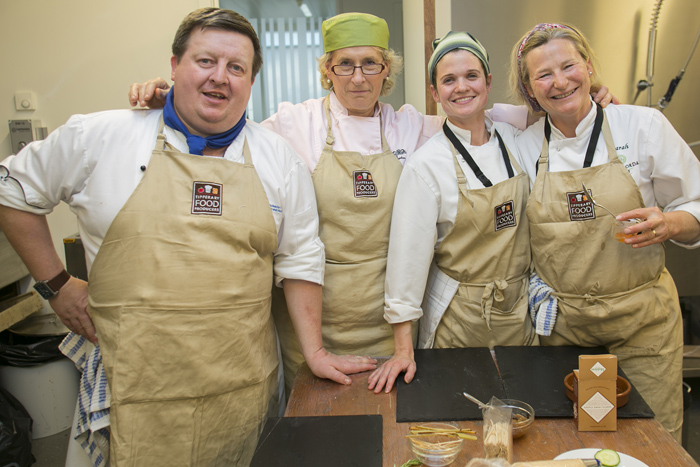
Tipperary Food Producers Network as the name suggests is a network of food sector Businesses within Tipperary, the membership of which is varied featuring from strong iconic brands along-side the niche and exclusive. Represented are producers of meat, cheese, bakery, confectionary, fresh produce and beverages, the common ground is quality, excellence and a passion for producing the very best products coming out of Tipperary.

Next Monday’s nationwide program July 15thare featuring these artisan food producers who recently staged their now esteemed Long Table Dinner in Brussels, the home of the European Union.

In the lead up to the dinner, RTE followed the preparation for the event here in Tipperary and Nationwide’s Ann Cassin travels with the producers to Brussels and covers the entire event including the launch of www.tipperaryfoodproducers.com – a new state of the art website designed by students of LIT Tipperary and the Long Table Dinner itself which was hosted by Phil Prendergast and attended by our recently appointed Minister of State at the Department of Agriculture, Food and Fisheries – Tom Hayes.

This 7th Long Table Dinner celebrated the fantastic quality of natural food been produced here in Tipperary. It provided an opportunity for all Tipperary Food Producers who wish to export to connect with international buyers and showcase their products.  The Long Table Dinner was prepared and cooked in Brussels by two of the network members, Barbara Russell of Russell Catering and Sarah Baker of Cloughjordan House.

Speaking at the event Pat Whelan (Chairman) of the Tipperary Food Producers Network said “The Tipperary Food Producers are an ambitious group of artisan businesses and with the fantastic support of our local Co. Councils, Enterprise Boards & Development Companies are making great inroads in developing Tipperary as iconic food destination”

The Tipperary Food Producers Network has an impressive 2020 Food Strategy which they are committed to implementing over the next number of years, according to Mr. Whelan “food is our most natural of resources for which we have worldwide recognition, and we the Tipperary Food Producers are determined to build on this reputation and reap the benefit not just for producers of Food but for the County as a whole”.

We hope you enjoyed reading this post by Pat Whelan of James Whelan Butchers. Pat is a 5th generation butcher, cook book author and the director of  James Whelan Butchers with shops in Clonmel, the Avoca Handweavers Rathcoole and Kilmacanogue, Dunnes Stores Cornelscourt, Rathmines and Swords in Dublin. Sign up to our newsletter for more updates from James Whelan Butchers

James Whelan Butchers: Sorting the Fats

Posted on Friday, July 5th, 2013 by Pat Whelan in Foodie Articles | No Comments »

Holding hands with traditional fats these days can be a lonely place.  We have traded our old buddies Lard, Dripping and Suet for olive oil mainly, and while this Mediterranean favourite certainly has its place in our store cupboard, not all olive oils are equal.  Many of them could be found guilty of being all fur coat and no knickers when it comes to nutrition.  I’m afraid olive oil is a product where you get what you pay for and most people may not be prepared to pay the price for the good stuff.  Traditionally Irish fats were lard, dripping and suet.  They were the staple cooking fats of yesteryear and, remarkably, during a time when obesity wasn’t a problem.   Look at old snaps from the 40s, 50s and 60s and you’ll have a hard job finding obese people. As I’ve stated before, fat has been framed, blamed and tried without jury for our weight problems.  It is a ‘catch all’ for everything negative in the food world and has become very, very misunderstood in the process.

Beef DrippingsFirst things first; the flavour is in the fat and that’s why ridiculously lean meat can be bland and tasteless.  Don’t remove all the skin from chicken or poultry before cooking it and wonder why you end up with dry, boring meat.  Naturally occurring fat is essential to cooking delicious food.  Even if the fat is removed after cooking the fact that it was present while the meat was in the oven means that the joint is almost self basting and you are guaranteed a better taste.

If the animal has been fed properly it will be beautifully marbled with thin vein like lines of fat running through it.  Sealing beef in sizzling beef dripping will add another rich layer of beefy-ness.  Rashers cooked in a little lard are delicious and if you ever try using real suet in dumplings or pudding dough you won’t look back.  We need fat to fight disease and protect our organs.  You even need fat to absorb certain vitamins. We have largely replaced solid animal fats with salad and cooking oils.  The problem with some of these oils is that their constituents change at high temperatures.  They are unstable when heated up and in the long term they can make us sick.  Eating natural fat as part of a balanced diet does not make you fat.

So let’s clear up a few things.  Lard: Real lard can be hard to find and although some supermarkets sell it in blocks, make sure it is 100% lard.  Lard is creamy, rendered pig fat.  Take note, foods fried in lard become very crisp and absorb less fat than foods cooked in oil.  If you are over 35 you may remember those crispy full Irish breakfasts of your childhood.  They haven’t gone away they just don’t crisp as well in oil.   Dripping:  This is the fat that drips from meat while it cooks. Beef dripping is the most popular.  In years gone by people would render their own dripping and always have it to hand in the kitchen, but most butchers sell it these days.  It has a good shelf life and browning beef or lamb in its own dripping will really intensify the flavour.   Also the waft of cooking beef dripping in a kitchen will literally transport you back in time and it will revolutionise Yorkshire pudding..   Suet: This is the fat that surrounds an animal’s kidneys.  You will have to ask your butcher for it.  Yes, you can buy it boxed in the supermarket, but if you can get your hands on the real deal then do.  If you want to use it in dumplings or pudding dough just grate it for ease of use.  Suet is also a hard fat with a high melting point so it works well for deep frying.

We have such a negative association with fat that if it were a person it would be staring at us from a Wanted poster with a substantial bounty attached for capture.  It is a gross misrepresentation.  We need to get re-acquainted with fat.  Don’t be afraid, it’s good for your health and much better in the taste steaks.  At present I am a lonely voice crying in the wilderness with just a few other devotees around the world, but I am confident that very shortly the majority will wake up to the lie we have been overly sold about the health benefits of cooking with oil.

This post was written by me, Pat Whelan, owner of James Whelan Butchers and a passionate advocate of local artisan food. My family have been producing quality Irish Angus beef for generations using a traditional dry aging process. This tradition is one that I continue to practice at our abattoir on our family farm in Garrentemple, Clonmel. These posts aim to impart some of the wisdom to readers and help them get the best out of the meat they eat! Our meat is available online here! I welcome your feedback to [email protected]

We hope you enjoyed reading this post by Pat Whelan of James Whelan Butchers. Pat is a 5th generation butcher, cook book author and the director of  James Whelan Butchers with shops in Clonmel, the Avoca Handweavers Rathcoole and Kilmacanogue, Dunnes Stores Cornelscourt, Rathmines and Swords in Dublin. Sign up to our newsletter for more updates from James Whelan Butchers

James Whelan Butchers: Get Grilling

Posted on Thursday, July 4th, 2013 by Pat Whelan in Foodie Articles | No Comments »

Today the sun is high in the sky and even through the glass I know that these are the kind of afternoons we hankered after on those far too many dismal, overcast days of spring.  It feels like it’s been a long time coming and I just hope that when you are reading this the weather has settled into a warm and sunny pattern and we are experiencing a proper June, rather than some strange hot weather aberration that lasted for a fleeting moment and then disappeared taking the summer of 2013 with it.  That big bright yellow sun has the remarkable effect of instantly turning our thoughts to cooking and eating in the great outdoors.   I think the entire country has moved outside in the past couple of days.  Barbecues have been extracted from the back of the shed, dusted down and polished up and there has been a noticeable run on meat for grilling.  Barbecuing also gets most men cooking.  Even those who wouldn’t step foot in the kitchen from one end of the year to the next, will happily pull out their long tongs and take their place at the great grilling altar of steel and charcoal that is the barbecue.  Of course with the advent of the gas cooking apparatus all the hard work of heating it up and stoking the coals is no longer as necessary.  Indeed much of the danger, the main reason given as to why men like grilling in the first place, has been largely removed from the process.  Just for fun, I came across the following recently which I thought I’d share.

A Typical Barbecue Routine for the Average Couple

1) Couple decides to have a barbecue for some friends.

2) The woman goes out and buys the food and the drink, loads it up and lugs it home.

3) The woman makes the salads, prepares the vegetables, and makes
dessert.

4) The woman prepares the meat for cooking, places it on a tray along with the necessary cooking utensils and sauces and takes it to the man who is lounging beside the grill with a beer in his hand, enjoying the early evening sunshine.

5) THE MAN PLACES THE MEAT ON THE GRILL.

6) The woman goes back inside to organise the plates and cutlery.

7)  The woman greets the guests is busy inside getting everyone a drink.

8) The woman comes out to tell the man that the meat is burning.  He thanks her and asks if she will bring another beer while he deals with the situation.

9) THE MAN TAKES THE MEAT OFF THE GRILL AND HANDS IT TO THE WOMAN.

10) The woman prepares the plates, bread, utensils, napkins, sauces, and brings them to the table and then serves the meat.

11) After eating, the woman clears the table and does the dishes.

12) Everyone PRAISES and THANKS THE MAN for his cooking efforts. He then announces, “We should do it again soon”!

13) The man asks the woman how she enjoyed ‘her night off from the kitchen.’ Upon sensing a slightly annoyed reaction, he concludes that there’s just no pleasing some women….

Of course the above is a humorous generalisation and hopefully nothing like this ever takes place in your home.  On a more serious note though, the main thing with eating outside and barbecuing is getting the right cuts of meat to begin with and sticking to some simple rules.  While you don’t want people eating charred lumps of meat, you must be sure that the meat is cooked for health and safety reasons.  We have no problem buying fancy, extra long utensils to help us so why on earth won’t we purchase a simple and cheap meat thermometer to go with them?  I admit a meat thermometer isn’t half as sexy as an extra long fork to spear that steak, but a meat thermometer is the safest and best way to tell if meat is cooked.  You’ll use it all year round indoors and outdoors so consider it a must have piece of kitchen equipment. Beer Basted BBQ

Marinades are another big point of grilling debate.  Some weeks ago in this column we discussed the merits of such saucy soaking and science has now revealed that from a taste point of view if it’s an impromptu do, then marinating for an hour before cooking is fine, while from a clean up and convenience stand the night before is preferable.

Sides and salads will also be something to consider.  My own personal take on this is that sometimes it is better value to leave this to the experts.  You can drop into our store or several others who create wonderful fuss free, sides and salads that are literally ready to go.  When you consider the shopping, chopping and assembly needed to make several different dishes from scratch it just isn’t cost effective.  There is also a tendency to over shop, leaving you with a fridge full of salad veg that can often, regardless of the best of intentions, end up in the bin several days later.

Just like the sides, while you can of if you wish spend time threading skewers, making burgers from scratch or marinating chicken, sometimes it is much easier to employ the skills of your butcher.  Most butchers will have great deals and specials on for the barbecue the minute the sun shines.  You can check out our special offers on line 24/7 at Jameswhelanbutchers.com.  When the time and effort is taken into consideration it will be hard to beat a good butcher for value.

Homemade BBQ Sauce RecipeSo is there a trick to great barbecues?  While gas barbecues are easy to fire up I would still give it time to heat up, just like you wouldn’t put meat in a cold oven, don’t do it on a barbecue.  Also allow plenty of time for the food to cook.  Traditionally barbecuing is not meant to be as fast as grilling, it is a slower, more leisurely process although gas barbecues are faster than conventional ones.  When executed properly this is what gives it that great, unique taste.  It is also quite a healthy option as most of the fat drips off and into the flames during cooking.  If you think about it barbecues are the original health grills as little is added to create the flavour.  Finally I would say that always, always, always go for the best ingredients you can afford.  Top quality burgers will always taste better than cheap, poor quality steak.  Buy the best you can afford, forget the barbecue snobbery that abounds and just enjoy having your family and friends around for a night of fun.  At the end of the day it really is one of life’s simplest but greatest pleasures.

This post was written by me, Pat Whelan, owner of James Whelan Butchers and a passionate advocate of local artisan food. My family have been producing quality Irish Angus beef for generations using a traditional dry aging process. This tradition is one that I continue to practice at our abattoir on our family farm in Garrentemple, Clonmel. These posts aim to impart some of the wisdom to readers and help them get the best out of the meat they eat! Our meat is available online here! I welcome your feedback to [email protected]

We hope you enjoyed reading this post by Pat Whelan of James Whelan Butchers. Pat is a 5th generation butcher, cook book author and the director of  James Whelan Butchers with shops in Clonmel, the Avoca Handweavers Rathcoole and Kilmacanogue, Dunnes Stores Cornelscourt, Rathmines and Swords in Dublin. Sign up to our newsletter for more updates from James Whelan Butchers

James Whelan Butchers: Feeling Fruity

Posted on Tuesday, June 25th, 2013 by Pat Whelan in Good Food | No Comments »

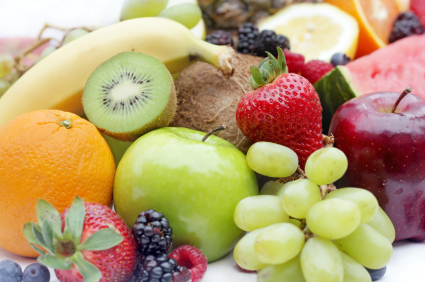
The summer really is the season to embrace when it comes to fresh food.  From the limited harvest of tasty spring offerings we suddenly open up to a glut of new flavours.  It’s also a great time for traditional fruits and salad vegetables. Berries, plums, peaches, tomatoes, lettuce and all the herbs are in abundance.  You can certainly spend the season just enjoying this harvest in their natural state, but you could also employ those wonderful flavours to elevate some meat or poultry to something quite special.

We tend not to immediately think of meat and fruit parings and yet it’s very common to our palates; pork with apple sauce, turkey with cranberry sauce, chicken with lemon, rabbit with prunes or the classic duck a l’orange and those dishes are just sitting on the tip of the culinary iceberg.  Fruit sauces come under many different chef-y terms; compote, coulis, jelly, gastrique (which despite the fancy name is simply a syrupy sugar and vinegar reduction for richer meats) or when mixed with a little vegetable you have a salsa.

If you pick up a full bodied, fruity, red wine that is often suggested as a good pairing for red meat you will find that it has flavours such as blackberry, blackcurrant and or cherry listed.  Therefore it makes sense that these fruits will play with meat just as well.  As always, the key is balance and not overpowering the meat with the fruitiness.  It is about a little flavour hit here and there, mingling with a good quality piece of meat which should always be the star of the show. Summer Fruit

I really enjoy the Chinese treatment of lemon, orange and plum sauces with poultry and sometimes beef.  When it’s good it is excellent, but occasionally I have had the poorer experience of the strong sauce just covering over the taste of the meat rather than just teasing and enhancing it.  Thankfully it doesn’t happen very often and if you learn to make your own, it never should.  I suppose it could be likened to the use or misuse of perfume and aftershaves.  We all like a gentle fragrance that mingles with the individuals’ own natural scent to create that lovely unique aroma that is pleasant to be around.  What you don’t want is that choking, waft of strong cologne that seems to have a personality of its own that takes over a room when the wearer walks in.

So what are some good combinations of meat and fruit?  Gamey flavours such as venison go very well with apples, pears, pomegranates and dates.  Also berries such as cranberries or cherries.  Lamb is very versatile with fruit and herbs.  You tend to find many North African and Indian dishes using lamb with fruit.  Apricots, dates, figs, prunes and raisins are commonly used in lamb curries, stews and tagines.  When it comes to sauce chicken is its usual versatile self.  The citrus flavours marry really well here. Oranges, lemons, mangoes, apricots and grapes are among the myriad of fresh fruit sauces that can be used. Pork which is commonly paired with apples also enjoys the company of cranberries, strawberries, currants, dried cherries, dried figs, mangoes, quince, plums and pineapple among others.   Rabbit seems to be getting quite popular again on restaurant menus and so that feeds the domestic trends.  It has to be said that rabbit has a subtle flavour and isn’t perhaps as robust as pork or lamb.  Rabbit is enhanced by plums, prunes and apples.  In Mediterranean countries rabbit is often found with citrus flavours such as lemon.  Beef goes quite well with orange sauce but I think instead of a sauce, steak works really well with a fresh fruit salsa.

Naturally in an article like this we are simply scratching the surface of these epicurean playmates but it gives us something to think about rather than just preserving fruits in the freezer for smoothies or making jam.

I also think serving barbecued food or a joint of meat with a fruit sauce or fruit jelly can appear quite sophisticated when the truth is that these are really culinary smoke and mirrors.  If the fruit is ripe juicy and in season you can create a stunning sauce in very little time.  Also the deep jewel colours of most fruit sauces will add to the overall aesthetic of the dish.

Salsas with fruit added are very simple.  In their pure form they are usually made with salad vegetables and chillies and are associated with Spain or Mexico.  Mixing in a little summer fruit and some fresh herbs is fine.  Chop some sweet red peppers, cucumber, a little red onion or spring onion, baby tomatoes, a chopped peach or some chopped strawberries; add some fresh coriander or a little fresh basil and then some good black pepper. Mix all the ingredients together and enjoy.  I’ve often thrown in what is available in the fridge at the time and this is great with barbecued steaks, to perk up a chicken salad or added to a meat wrap for lunch.

Making fruit sauces is just about gently cooking the fruits with a few tablespoons of water to release their juices.  Push the cooked fruits through a sieve if you want something very smooth.   For a more robust fruity sauce chop up your fruit or dried fruit (such as apples, pears, plums or apricots) and put them over a gentle heat.  Instead of water you could add some fruit liqueur and a pinch of cinnamon or nutmeg.  Bring it all to the boil then reduce the heat and let it simmer for five minutes or so.  A sauce like this can be thickened with corn flour.    If you want a sweeter sauce then mix the fruit with some icing sugar or honey while cooking.

There are no rules when it comes to flavours.  Try different liqueurs or fresh herbs and the combinations are endless.  Try not to over cook or cook the fruit too fast.  This will just serve to create a more jam like consistency rather than a sauce.   For sweet fruit sauces for desserts and cakes just puree the fresh fruit in a blender and add some water as you go to thin it out.  If you want it smooth push the mixture through a sieve and then balance it up with some sugar and lemon juice tasting as you go.  Go on, let the creative juices flow this summer.

This post was written by me, Pat Whelan, owner of James Whelan Butchers and a passionate advocate of local artisan food. My family have been producing quality Irish Angus beef for generations using a traditional dry aging process. This tradition is one that I continue to practice at our abattoir on our family farm in Garrentemple, Clonmel. These posts aim to impart some of the wisdom to readers and help them get the best out of the meat they eat! Our meat is available online here! I welcome your feedback to [email protected]

We hope you enjoyed reading this post by Pat Whelan of James Whelan Butchers. Pat is a 5th generation butcher, cook book author and the director of  James Whelan Butchers with shops in Clonmel, the Avoca Handweavers Rathcoole and Kilmacanogue, Dunnes Stores Cornelscourt, Rathmines and Swords in Dublin. Sign up to our newsletter for more updates from James Whelan Butchers

James Whelan Butchers: Chutney Secrets

Posted on Tuesday, June 18th, 2013 by Pat Whelan in Foodie Articles | 1 Comment »

It’s a sure sign you’re married with young children when the long, wine fuelled gluttonous dinner parties of youth turn into sober Sunday daytime affairs where the excitement reaches its crescendo at the thought of trying a new flavour from the Nespresso machine with a homemade shortbread after you’ve eaten.   I suppose as we mature we have to be so much more Daniel O’Donnell than Keith Richards during these responsible years.  This thought occurred to me recently when we had some people around for a relatively restrained daytime get together and the obligatory bottle of wine had, in this instance, morphed into a selection of artisan chutneys.  I also noted that I was much more excited about receiving these dark jars of treasure than had it been alcohol, which I couldn’t have shared then as I needed to drive later in the day to pick up one of the kids from a birthday party.

Chutney is one of those things that I am never without.  I always have at least a few different varieties to hand and I’m in the fortunate position that I’m often given it as gifts.  Sometimes it will be a home made affair and other times, like recently, it will be a present of shop bought varieties. I just couldn’t imagine a hot or cold sandwich without it or the lift it instantly gives to cold meat and leftovers let alone the hot meats that benefit greatly from a dollop on the top.

I always tended to associate chutneys and pickles with England and in particular the Ploughman’s Lunch, which is traditionally bread, cheese and chutney.  However the name ‘chutney’ comes from the Hindi word ‘chatni’, which simply means ‘sauce’, and it was brought to England by traders coming back from India in the 17th century.  Chutney, in its many and wondrous variations, can be found all over India and is often used with curry.  As it was popularised in Britain it then became equally fashionable in the colonies and so today chutney is found all over the world and considered part of the indigenous cuisine.  Chutney is also the perfect way of preserving summer fruits and vegetables and while preserving is by no means necessary for our survival through the winter months in this day and age, I think there is great satisfaction in the idea of preserving food to eat later.   It’s also really important to note that home made chutney takes at least three months to mature and settle and so anything made in August and September will probably be just right for those cold December days.  rhubarb_chutney

Having just romanticised the idea of going all Barbara and Tom from the Good Life and making your own, there are really great chutneys available to buy.  There are some excellent artisan brands widely available and then there are the cottage industry types at Farmers Markets and Country Markets up and down the country.  It is among the more maverick home made group where you will find the most variation and the odd one that you may not like at all.   If you find it too ‘vinegary’ that’s a sure sign it hasn’t had enough time maturing.  While there are quick and ready to eat chutney recipes in abundance on the web, I tend to be a little bit of a traditionalist in believing that you just can’t buy or make time; there is no substitute.

So what exactly is chutney?  Well very simply it is just a fruit or vegetable chopped up into chunks such as apples, plums, onions, mangoes, pears or a combination of fruit and vegetable of choice.  It’s then cooked with vinegar, sugar and spices until reduced down into a dark, thick and chunky sauce that can be put in jars and kept for quite some time.  Unopened chutney can last anything up to a year and once opened for a good three to four weeks kept in a fridge.  (This will be determined by the type of chutney and where it was made.  Always check the labels.

Along with all the usual chutney uses I have tried it more and more on hot food.  It started with some pork when I realised I didn’t have any apple sauce but I did have a jar of spiced apple chutney.  I served it with the chutney and it was great.   I was then given a very simple recipe that I believe came from James Martin.  It was a breast of chicken – butterflied, seasoned and then pan fried until cooked (about 4 to 5 minutes a side, depending on the thickness of the breast.) Once cooked I laid out some fresh sage leaves along the centre, two tablespoons of apple and plum chutney on top of that, then half ball of mozzarella diced and topped it all with a slice of Parma ham.  I then placed my little chicken based mound under a very hot grill to crisp up the ham and melt the cheese a little.  It was great and really made a restaurant quality dish out of a simple breast of chicken.

Knowing how good chutney is with cheese I have also used it to make a very quick starter.  Just take some filo or puff pastry and you can make a tart or a parcel.  I did parcels as they don’t have to look as pretty.  I basically used a little filling of goats’ cheese and chutney mix and baked them in the oven until the parcels were cooked.  I have also added some chopped black pudding into the mix from time to time and this works well too. These little parcels are great starters or lunchtime treats.  Chutney can be mixed with other ingredients such as sour cream or mayonnaise and can be used as sandwich condiments or dips (Go with mayonnaise for the sandwich and sour cream for the dip) and to a barbecue sauce as a marinade or coating. It can also elevate stuffing for pork, chicken or turkey.  And you don’t need me to tell you that mango chutney is lovely with a curry.  Speaking of Indian food you will also find plenty of chutney and fish recipes from that part of the world also.

I can’t urge you enough to try some chutney even if you start by simply spreading it on a warm toasted cheese and ham sandwich.  I have no doubt that for many cooks chutney could become the all important secret ingredient.

This post was written by me, Pat Whelan, owner of James Whelan Butchers and a passionate advocate of local artisan food. My family have been producing quality Irish Angus beef for generations using a traditional dry aging process. This tradition is one that I continue to practice at our abattoir on our family farm in Garrentemple, Clonmel. These posts aim to impart some of the wisdom to readers and help them get the best out of the meat they eat! Our meat is available online here! I welcome your feedback to [email protected]

We hope you enjoyed reading this post by Pat Whelan of James Whelan Butchers. Pat is a 5th generation butcher, cook book author and the director of  James Whelan Butchers with shops in Clonmel, the Avoca Handweavers Rathcoole and Kilmacanogue, Dunnes Stores Cornelscourt, Rathmines and Swords in Dublin. Sign up to our newsletter for more updates from James Whelan Butchers

James Whelan Butchers: Foraging for Food

Posted on Friday, June 14th, 2013 by Pat Whelan in Foodie Articles | No Comments »

There should be no doubt that the economy influences how we eat.  Those of us who care are seriously trying to maintain that delicate balance between good value, good nutrition and great taste.  After all you and I have long since agreed right here in this column that eating is so much more than a means of fuel for the body.  Eating and preparing food is and should be one of man’s most loved rituals.  It is a daily ceremony that nourishes and gives us a chance to stop and, hopefully, break bread with our loved ones.  Eating and enjoying good food should be seen as a break from the harsh realities and by looking at it this way the observance of mealtimes enriches our spirits as well as our bodies.  Happy mealtimes spent amongst family can produce happy memories and wonderful associations with food; it touches us on many levels.  Hippocrates, referred to by many as the ‘father of medicine’ is famously quoted as saying, “Let food be thy medicine, and medicine be thy food”.  I expect he is spinning rapidly in his grave as conventional medicine has largely taken a manufactured drug route and yet they still practice and take the Hippocratic Oath in the profession!  This great ancient sage is also quoted as saying, “Leave your drugs in the chemist’s pot if you can heal the patient with food.”

So obviously there is a historical case for eating ourselves well.  Walk into any health food store today and many of the herbal remedies are concentrated forms of wild plants in little pills.  Rather than waiting for symptoms to occur and then reaching for these cures, it makes more sense to nourish ourselves through the seasons using wild plants and herbs in our everyday cooking.   It can also taste quite delicious; much better than little capsules.  I always marvel at how nature produces different plants at different times of the year to help us with exactly what we need.

After a long winter, particularly this year, the body needs a good boost and that is why nettles are at their peak around this time.  Wild stinging nettle is a wonderfully nutritional plant. It is rich in chlorophyll, calcium, silicon, chromium, magnesium, zinc, and potassium. It contains vitamins A, C, D, and E, along with the minerals sodium, copper, and iron. It’s very high in protein and traditionally it has been used as a spring tonic. Past generations always capitalised on what nature had to offer but our ‘know it all’, prepackaged, convenience mentality has long since forgotten such benefits. Hopefully this generation will re-discover what our ancestors have known all along.  We also benefit from the exercise and fun elicited from the simple act of going out picking and foraging for food.  At this time of year you never know what else you might find including several varieties of wild garlic and flowering wild fruit trees.

So as we are currently in nettle season I can’t encourage you enough to go out and grab some, but don’t forget your gloves. Possibly the reason we have such poor associations with nettles is the nasty encounters we all remember from childhood.  There was the joy of running through a field in the sunshine only to have your bare ankles unexpectedly bitten by a stinging nettle.  I seem to remember it burning for hours afterwards.   These days I actively go out looking for nettles to harvest instead of trying to avoid them.

While we mainly associate nettles with liquid foods such as nettle tea or nettle soup, effectively it is a green and can be used just like any other green; spinach, cabbage or kale.  Nettles can be substituted for any of the above in recipes you may already have for lasagne, quiche, stew or even pesto.  A simple minute steak with some warm wilted nettles and a little salad is one of the best and quick suppers available. nettles

Nettles are excellent for the blood system; detoxifying and removing unwanted impurities.  They help with lowering blood sugar, improving digestion, relieving pain and lowering high blood pressure. They enhance the operation of the circulatory, immune, endocrine, nervous, and urinary systems thereby reducing fatigue and exhaustion. It is said to be a particularly good source of iron and calcium for pregnancy.    And, the one we all love, nettles are calorie free and said to be an aid to weight loss

Okay, so I have convinced you of the benefits but what about the taste?  Quite delicious, I can assure you and now to the harvesting and getting your little gloved hands on some.   I can’t stress enough that now is the time.  The nettles are best harvested at this time of year before flowering and can be easily dried for use later in the year.  The stems, leaves, flowers and roots of the nettle plant all have powerful medicinal properties so take the whole lot.

Nettle tea couldn’t be easier and doesn’t require any milk or sugar.  Use about 2 teaspoons of chopped fresh nettles to each cup of boiling water.  (For God’s sake remember to continue wearing your gloves when handling and chopping the fresh nettles, but cooking and heating will remove the sting.)  Leave it to infuse for five to 10 minutes before straining and enjoy.  And just for fun below is a recipe for nettle soup.  However, it must be pointed out that the cream in the soup cancels out the calorie free status of the nettles, but then again who’s counting when a soup this nutritious tastes so good.

This post was written by me, Pat Whelan, owner of James Whelan Butchers and a passionate advocate of local artisan food. My family have been producing quality Irish Angus beef for generations using a traditional dry aging process. This tradition is one that I continue to practice at our abattoir on our family farm in Garrentemple, Clonmel. These posts aim to impart some of the wisdom to readers and help them get the best out of the meat they eat! Our meat is available online here! I welcome your feedback to [email protected]

We hope you enjoyed reading this post by Pat Whelan of James Whelan Butchers. Pat is a 5th generation butcher, cook book author and the director of  James Whelan Butchers with shops in Clonmel, the Avoca Handweavers Rathcoole and Kilmacanogue, Dunnes Stores Cornelscourt, Rathmines and Swords in Dublin. Sign up to our newsletter for more updates from James Whelan Butchers
James Whelan Butchers: Simple Basics

Posted on Monday, June 10th, 2013 by Pat Whelan in Foodie Articles | No Comments »

I love cities in the early morning. Here or abroad I love strolling around quiet-ish streets observing the gentle bustle of the various businesses setting up shop for the day.  There are the familiar sounds of shutters opening and delivery vans pulling up and unloading and yet it is still quiet enough to hear the birdsong, all together creating that unique urban symphony that’s bursting with the day’s potential and the possibilities of what the hours ahead may hold.  You can also add in the odd bedraggled stray from the previous night’s excesses, a groggy student or two with languid gait slouching past and the determined strut of the young suited and immaculately groomed who sail by leaving a distinct whiff of ambition in their wake.

I found myself in this early bird environment recently in Dublin; early morning in the capital heading to a meeting but with a little time to spare before my nine o’clock appointment.  It was just after 8am and while this might normally be breakfast time, that day I had started out at the unearthly 4.30am, so it was almost lunchtime in my head.

With many of the restaurants and coffee houses surprisingly still closed or in the very early throes of getting organised for the day, I happened upon a little eclectic independent that was open.  Its spotlessly clean but worn, down to earth image complete with functional chairs, mismatched tables and poster covered walls belied the quality of the food inside.  It also had an interesting mix of clientele.  There was the obviously retired guy with his newspaper, two bohemian types who at an extravagant guess might have owned and operated some marvellous vintage clothing shop and at yet another table there were three suits having an obligatory early morning coffee. Apart from the steam and whistle of the elaborate modern coffee machine I imagine that the décor here has been almost static for decades, solely relying on the music gig posters to change regularly, adding both colour and character. Ham with Marmalade and Ginger Glaze

The glass case in front of me was already being filled with freshly made sandwiches for the lunchtime trade.  I was hungry, but I needed something easy and relatively quick.  I opted for a simple cheese and tomato sandwich and a coffee.  As I sat and waited I scanned the posters and all the gigs and comedy nights that I would never attend.  It was evidence of another world, a late night world that I have long since left behind.  I was pulled from my reverie by the arrival of my plain sandwich on an old fashioned side plate and a steaming mug of coffee.  Then I took the first bite and I was amazed.  My dull and predictable sandwich of cheese and tomato was a revelation.  My own mantra of excellence rang in my head, “simple, excellent ingredients will make fantastic grub every time”.  This was superbly fresh and soft batch loaf, with sweet juicy tomatoes, crisp cucumber, tasty cheese and uncomplicated mayonnaise; nothing fancy here but a combined taste sensation all the same.  From feeling rather boring for ordering a plain cheese sandwich, I suddenly felt like the cleverest person in the room – like I had discovered something wonderful that no one else knew about.  It was the marriage of simplicity and excellence and suddenly I knew why this place was popular with everyone – good food was the common ground that transcends all tribal behaviour.

One of our biggest problems with food today is that while things may share the same name, not all things are equal.  We live in a world where there are just too many choices and trying to buy one ingredient can offer up quite the conundrum.  Let’s take a simple sandwich filling like a slice of ham.  How and where do you buy ham?  If you purchase it in an average supermarket there are decisions to make.  Do you buy it in a pack from the fridge or from the deli counter?  Do you choose branded or own brand, high end or low end, smoked or unsmoked, sliced wafer thin or sliced thick, crumbed or plain, square shaped or large shaped?  Decisions, decisions and then there are differences in price to be considered.  Go to the bread section and you will be faced with the same dilemma.  So in effect my ham sandwich and your ham sandwich could be two entirely different taste experiences depending on the quality of ingredients chosen and it is remarkably easy these days to fall into the tasteless and bland pothole on the culinary highway.

Apply this to all common food and the problem for the consumer becomes very obvious.  Take a basic Cottage Pie as an example of an economical family meal.  By using excellent quality mince, fresh carrots, high quality stock and superior potatoes the resulting dish will be well above average in the taste stakes when compared with a supermarket mass produced, pre prepared, boxed freezer version.  Yet they will all claim the name ‘Cottage Pie’.  I am convinced this is why some people have little regard for old fashioned simple dishes; at some point in their lives they were scarred by convenience junk using the same name as classic dishes, masquerading as real food.  That early morning sandwich alerted me to the fact that even I had one foot in the trap.

So first things first if you want great food you have to use great ingredients.  It’s a simple philosophy shared by the great chefs all around the world.  And I would also stress that ‘great’ is not interchangeable with ‘expensive’.  At all times buy good quality, fresh and local wherever you can and even if you stick with simple food combinations your satisfaction levels will go through the roof.  Don’t think price, think excellence and before you know it your appreciation for the food you eat will undoubtedly increase.  Don’t cheat yourself, food is too important – buy the best you can afford and enjoy the results thoroughly.  Drop by James Whelan Butchers the next time you are in the area and catch a glimpse of what we mean by simple and excellent.

This post was written by me, Pat Whelan, owner of James Whelan Butchers and a passionate advocate of local artisan food. My family have been producing quality Irish Angus beef for generations using a traditional dry aging process. This tradition is one that I continue to practice at our abattoir on our family farm in Garrentemple, Clonmel. These posts aim to impart some of the wisdom to readers and help them get the best out of the meat they eat! Our meat is available online here! I welcome your feedback to [email protected]

We hope you enjoyed reading this post by Pat Whelan of James Whelan Butchers. Pat is a 5th generation butcher, cook book author and the director of  James Whelan Butchers with shops in Clonmel, the Avoca Handweavers Rathcoole and Kilmacanogue, Dunnes Stores Cornelscourt, Rathmines and Swords in Dublin. Sign up to our newsletter for more updates from James Whelan Butchers

James Whelan Butchers: Flavour Time

Posted on Friday, June 7th, 2013 by Pat Whelan in Foodie Articles | No Comments »

Rain or shine, because the clock tells us it’s the summer, we can’t help but pull out and dust down our dreams of country picnics, lazy days at the beach, eating in the garden and barbecuing all round us until the end of August.  Needless to remark the sun shines high in the cloudless sky throughout those dreams.  Admittedly it only happens perfectly in our heads, and the reality is that many different factors prevent us from manifesting these lovely thoughts.  We are held to ransom by the elements day to day throughout the season.  Then of course the lovely shiny haired, polite and well behaved children who attend the perfect barbecue in your might just be a small rampaging mob with an appetite for destruction akin to Genghis Khan.  The garden in your fantasy with the manicured lawns and the furniture filled patio might not match up with the actual view from your kitchen window and that magnificent out door cooking grill station with the control knobs of the Star Ship Enterprise might in fact be a disposable charcoal filled foil tray from Dunnes.  But don’t despair, because we do have control over the most important element of the event and that’s the food.  Using a little culinary skill we can elevate our parties and gatherings via our taste buds and even the most cynical will go home in the knowledge they were at a great event.

Over the next few weeks I have no doubt that the subject of barbecuing will come up a few times.  I would also direct you to the James Whelan Butchers website for great tips about this whole area of summer cooking.  However as a starter today I want to talk about marinades.  Allowing the meat you are cooking to soak, even for a very short while, in a little sauce can make all the difference.  When you experiment you will eventually hit on a recipe that quickly becomes your own.  In fact some people are quite covetous of their secret ingredients.  It is usually just some small condiment tweak here and there from a standard recipe, but it creates a signature all the same that with time can be thrown together in a few minutes to create a luscious, moist and tender feast.  My only advice, however, is to write down what you do for the first few times you do it.  I say this from experience, I have stumbled across some really good marinades, many times by just necessary ingredient substitution and not by design, but then later while basking in the adoration from the sated crowd, I forgot what I had done and it was never to be repeated.  Beer Basted BBQ

So let’s talk about marinating and marinades as there is a great deal of myth around the subject.  Go on the hunt for good marinade recipe and you will find anything from 2 hours to 24 hours needed for similar cuts of meat.  It can be very confusing.  The thing is that not all marinades were or are created equal and neither is meat.  Marinades supposedly serve two functions one is to tenderise the meat and the other is to flavour it.  Now here’s the thing, more than likely if you are throwing some meat on the grill you will have bought a suitable cut recommended by your butcher.  If bought from a reputable source, it should be pretty tender to start off with so the real function of your marinade is flavour.  There is the assumption that the marinade penetrates deeper into the meat depending on the length of time it sits in it.  Let’s put that to bed straight away – it doesn’t.  After the first while it is as deep as it is going to go and after that, the changes are minimal.  Now just to be clear, I’m discussing marinades from the point of view of a common barbecue, this is not about marinating for brining or pickling which is another day’s work entirely. When it comes to simple grilling, greater minds than me have carried out controlled scientific studies on this flavour penetrating aspect of marinades.  A study carried out in 2007 showed that after eight days a slightly salty marinade gave meat a somewhat mushy surface but penetrated less than 1/8 inch into the flesh.  This would suggest that a mildly acidic mixture would have practically next to no effect at all.  So while a marinade certainly ups the flavour of our cooked meat, leaving it to sit in the marinade for hours and hours isn’t as necessary as we think.

The reason I enjoy the long marinating process for barbecue is that I can make all the mess of preparation in advance and have everything sorted and organised in the fridge ready to go.  But here’s the thing, if you have people coming over you can still prepare a marinade quickly and not have to worry about leaving it to sit around for hours and hours on end to get the best results.

Homemade BBQ Sauce Recipe

So what kinds of marinades give good flavour?  Well there seems to be as many marinade recipes out there as there are people who like to marinate.  I have a few recipes of my own that I have come to over the years.  Sometimes I’ll have to tweak and substitute purely because I won’t have the right ingredient to hand, but the base is usually the same.  I learned this one from a South African friend.  It is based on a good chutney so use a good dollop of that,  another good dollop ketchup, a dollop of mayonnaise, a few tablespoons of Worcestershire sauce, the same of balsamic vinegar or apple cider vinegar, 2 sliced red onions, a little white vinegar and some salt and pepper. (I usually do this one the night before for convenience.)  Leave the steaks to marinade in this and then while they are grilling I like to heat the remaining thick sauce, simmer it down and use it as a pouring sauce for the meat.  A marinade can be livened up with some fresh chillies if you like a little fire. I’ve also tried this recipe with chicken and it works just as well.

Another variation of a steak marinade is one based on red wine.  This is light and very quick and needs only a few minutes steeping.  Take some red wine (if you can bare to pour it into a dish and not a glass for yourself), a little Worcestershire sauce (just a few drops), a clove or two of garlic chopped, some chopped parsley and chopped coriander, a crushed bay leaf, a pinch of sugar and some salt and pepper.  I always taste the mixture just to make sure it’s got a nice balance and correct it if it doesn’t.  Now if I have the time to leave it steep for at least an hour and I want a slightly more oriental flavour I will often add some soy sauce, cinnamon bark and a star anise.  You can continue to baste the meat with this juice while cooking.

Marinades are all about enhancing flavour but we should keep in mind the meaning of that word.  Hopefully you are trying to enhance the natural flavour of the meat and not give it flavour to start with.  Marinades shouldn’t overwhelm or mask as this is not their job.  Enjoy the experimenting and don’t forget that even if it pours out of the heavens a nice marinated piece of meat or poultry will cook just as well indoors.

This post was written by me, Pat Whelan, owner of James Whelan Butchers and a passionate advocate of local artisan food. My family have been producing quality Irish Angus beef for generations using a traditional dry aging process. This tradition is one that I continue to practice at our abattoir on our family farm in Garrentemple, Clonmel. These posts aim to impart some of the wisdom to readers and help them get the best out of the meat they eat! Our meat is available online here! I welcome your feedback to [email protected]

We hope you enjoyed reading this post by Pat Whelan of James Whelan Butchers. Pat is a 5th generation butcher, cook book author and the director of  James Whelan Butchers with shops in Clonmel, the Avoca Handweavers Rathcoole and Kilmacanogue, Dunnes Stores Cornelscourt, Rathmines and Swords in Dublin. Sign up to our newsletter for more updates from James Whelan Butchers

James Whelan Butchers: Talking Tripe

Posted on Tuesday, May 21st, 2013 by Pat Whelan in Foodie Articles | 1 Comment »

Some foods tend to polarise opinion and tripe would certainly make that list.  You have a niche group that love it, the naysayers who have terrible memories of it and those who have never even tasted it but the suggestion alone causes ugly facial contortion.  It is clearly a divisive food.  Tripe and onions was once a very acceptable and commonplace dish in Ireland, but it became unfashionable and achieved a rather unfavourable reputation.  I believe there are many factors in its fall from grace.  I happen to like tripe, but it does have a particular texture, especially honeycomb tripe, that may cause an instant dislike before we even get to the taste elements.  Tripe is quite nutritious and it isn’t very expensive and so that would also have gone against it for a time.  Surprisingly in a recently past era we believed that eating inexpensive food was unnecessary and a reflection of our personal status; how ridiculous a viewpoint, but one that endured for years in this country.  Secondly incorrect or poor cooking of this particular dish also fed into its demise.  Being white in colour, if overcooked in lumpy unappetising, onion sauce, tripe can take on a greyish hue.  The pale yellow onion combined with thick white gravy and a grey leathery tissue is indeed wholly unpalatable.   I once had the awful experience of badly cooked tripe and I can only liken it to eating a tepid, thick rubber glove covered with an old bath sponge that tasted of nothing nice at all

Even when we cooked it well we were very unadventurous with tripe.  We tended to stick to our white onion sauce as the Holy Grail of Tripe-dom, when in fact our European neighbours were embracing tripe and trying different things with it.  Tripe soup, tripe with chorizo, tripe with other offal cuts, tripe with tomatoes; oh yes our French and Italian counterparts were not afraid to try different things and so tripe is still a popular dish in those countries to this day.  We are seeing a small renaissance here.  Our current fascination with vintage (you could also substitute ‘value for money’ here, but vintage sounds so much nicer) is leading us down the path of these old dishes once more.  The problem is that this generation doesn’t know what to do with them.  Tripe has much to offer, particularly in texture, but get it wrong and its current moment in the spotlight will end abruptly. 

So what is tripe?  It is the stomach lining of animals and the common variety sold in most butchers is beef tripe.  In its raw state, fresh from the animal, the lining is indeed unappetising.  As a butcher we prepare or ‘dress’ the tripe for sale.  This means washing it, trimming it of all fat and partially cooking it before it reaches the customer.  (So if you are diet conscious you are right in assuming this is a low fat, highly nutritious food!).  While the general population may be unaware of what to do with tripe, sadly the same could be said of some younger butchers.  Thankfully that will change as there is currently a push on the idea of nose to tail eating and creating less waste from animals.

One question I get asked about tripe quite frequently is why it doesn’t always look the same.  There is a simple explanation.  A beef stomach is divided into two parts and yields three different textures of tripe.  You have plain tripe, honeycomb tripe and packet tripe – all from the same stomach, just different in appearance.  Generally they taste the same but I personally think that honeycomb tripe is the most flavourful.  This comes from the second stomach chamber.  I suppose I should really qualify the idea of using the words ‘flavour’ and ‘tripe’ in the same sentence.  Tripe tastes like……..well…..tripe, which is relatively bland but easily flavoured by the sauce around it.  The actual tripe brings the texture or ‘meatiness’ to the dish.  I love tripe cooked simply and traditionally in a lovely, hot white onion sauce where there is a tender bite in the tripe and a subtle harmony of herbs, peppercorns and onions in rich smooth gravy.  I love it served with warm, almost toasted, crusty bread spread with melting butter that can be used to mop up any leftover sauce at the end.  The warm buttered bread certainly ups the calorie count, but it’s worth it.  Some people add carrots for colour and flavour but I tend not to.  In Darina Allen’s marvellous book, Forgotten Skills, I found a lovely recipe for Tripe and Trotters with Chorizo.  If you don’t like tripe then you might not like pigs’ trotters or crubeens, but this is a Spanish influenced dish that is hearty and rustic to the core: definitely a recipe worth finding.

So how do you cook traditional tripe?  In most butchers you will buy tripe pre cut into bite size pieces.  Even though it has been dressed and prepared for sale, it’s good to wash it again, drain it, rub it all over with salt and leave it to sit for at least 30 minutes.  When you are ready to cook it, rinse it again of the salt.  Put the tripe in a pot with a chopped onion, a bay leaf and plenty of salt and pepper.  If I have some left over white wine to hand I will often put this in too.   You can also add a carrot or other herbs to the pot at this stage.  I then cover it with water and leave it to simmer for about 90 minutes to two hours.  Cook it slowly and gently and you should avoid an undesirable rubbery finish.  Once cooked, drain the tripe and put it aside and strain the cooking liquid, reserving a few tablespoons for the onion sauce.  Cook your onion sauce separately.  We all have favourite onion sauce recipes and there are many different takes on this classic.  Some people use only milk, others prefer a mix of cream and milk and so I leave that up to you.  Using a few tablespoons of the tripe cooking liquid can lighten the sauce a little if you desire.  (You can also cook your onion sauce ahead of time as it will keep in the fridge.)  Once the sauce is made add the warm tripe and allow it all to heat through.  Plate it up, scatter with fresh parsley and serve with warm bread or toast.    For me tripe cooked this way has always been a breakfast dish but there are no rules, so why not be European and have tripe whenever you feel like it.  One final thought only buy tripe in a reliable and reputable butcher shop and eat it as fresh as possible.

This post was written by me, Pat Whelan, owner of James Whelan Butchers and a passionate advocate of local artisan food. My family have been producing quality Irish Angus beef for generations using a traditional dry aging process. This tradition is one that I continue to practice at our abattoir on our family farm in Garrentemple, Clonmel. These posts aim to impart some of the wisdom to readers and help them get the best out of the meat they eat! Our meat is available online here! I welcome your feedback to [email protected]

We hope you enjoyed reading this post by Pat Whelan of James Whelan Butchers. Pat is a 5th generation butcher, cook book author and the director of  James Whelan Butchers with shops in Clonmel, the Avoca Handweavers Rathcoole and Kilmacanogue, Dunnes Stores Cornelscourt, Rathmines and Swords in Dublin. Sign up to our newsletter for more updates from James Whelan Butchers

James Whelan Butchers: Opposites Attract

Posted on Monday, May 13th, 2013 by Pat Whelan in Foodie Articles | 1 Comment »

The world of snacks and treats was thrown into a state of frenzy this week as Tayto, the iconic Irish crisp, teamed up with Butlers Chocolate to produce a limited edition Tayto Cheese and Onion Milk Chocolate Bar.  Of course it initially causes a small wrinkle in the brain as you try to imagine the two together and for many the first response will cause us to wrinkle up our noses as well.  The thing is that this combination of salty savoury and richly sweet together isn’t so unusual.  Neither is mixing crisps and chocolate revolutionary; just google chocolate covered crisps and there are hundreds of recipes all over the internet.  Several years ago I discovered the chocolate covered crisp in the States.  A department store called Neiman Marcus was (and still is) doing this with a thin-ish chocolate covered crisp presented in a tall Pringle like tin.  They were given to me as a gift and I remember biting into the first one with a little trepidation.  They were fine, the classic combination of salty and sweet with a creamy chocolate and a little crunch provided by the crisp. If I’m honest I wouldn’t go out of my way to get them again but I wouldn’t refuse one if it crossed my path.

It got me thinking about the whole idea of opposites and how it really works very well for food combinations and creating different taste sensations.  Sweet and savoury, sweet and sour or even hot and cold can be exciting.  I always enjoy a hot fruit crumble with a decent dollop of cold vanilla ice cream on the top.  Equally when we are talking hot and cold, there is nothing nicer than a spicy samosa or an onion bhaji balanced out with by a cooling yoghurt dip.

We always tend to think of sweet and sour as strictly Chinese.  We believe it does originate in China, but more and more European and American dishes are working with the idea. Salads are a great easy area to experiment with sweet and sour.  Try an exotic mix of chopped peppers, cucumbers and baby tomatoes with some moist pineapple or even pear slices.  Then if you serve this with, for example, a perfectly cooked duck breast or even some tender lamb chops you get the sweet and sour plus the hot and cold thing all going on together.  These are easy combinations to get right and a great way of dipping your toe in the water of opposites. Tayto chocolate bar

Our lives are constantly twisting and turning.  We enjoy the familiar but it is always spiced up by a surprise or the unexpected here and there.  We should treat our food in the same way.  We tend to eat the same foods, cooked the same way over and over again.   Of course familiarity makes for ease of cooking but as the saying goes, “familiarity breeds contempt” and that can be particularly applied to cooking.    If we have a small repertoire of dishes cooked regularly even the favourites and the perfectly executed can become dull.  Make an effort to add at least one new dish, meal or menu to your skills each month and by the end of the year you’ll be surprised how far you have pushed those stale boundaries.

Using opposites is a great jumping off point for trying new things.  Heavy and light for example, rich starters followed up by a light fish course.  Oily and dry get you thinking of food textures and how they balance each other. The classic is bread and butter, the dryness of the bread with the oily butter or think sardines on a cracker for another simple combination.  While talking of textures smooth and rough – again a crunchy peanut butter has the smoothness of the butter but the crunch of the peanut.  Add this to a chicken stir fry while cooking and the combination is super.  Indeed try a stick of celery dipped in a smooth peanut butter for a lovely light and heavy, crunchy and soft, sweet and savoury combination.

Soft and hard, hot and cold – the possibilities are enormous.  What you are really looking for is balance.  There is nothing I like more than a heavy chunky steak with a lovely light mix of rocket and fresh coriander.  It is simplicity itself.  Again I’m getting heavy and light along with hot and cold.  Contrasting colours and textures also look good on a plate.  If everything is the same there is a blandness of colour, character and taste and the death of any meal.  No matter how perfectly cooked the individual elements are it will always feel like there was something missing.

A friend of mine is an expert with wine.  He says the law of opposites works well here too.  He suggests that if you enjoy spicy Asian food then that should be paired with a slightly sweeter wine like a chardonnay as the sweet will set off the spiciness of the food.  Dryer wines like cabernet sauvignon work best with high protein foods such as steak or a cheese plate perhaps, while a heavy, creamy pasta dish works well with a Merlot that will cut through the oils within the dish.  Personally I think you will know the wines you like and there are no rules, but it might be a rough guide.  In fact what I have found is that many of the lovely, fruiter and lighter red wines that I have liked have been Italian and they work very well with heavy pasta or meat dishes.

So this week start thinking about the everyday opposites we currently enjoy in food and that should get the creative juices flowing.  If you do come up with some rare gem don’t be afraid to drop me a line.

This post was written by me, Pat Whelan, owner of James Whelan Butchers and a passionate advocate of local artisan food. My family have been producing quality Irish Angus beef for generations using a traditional dry aging process. This tradition is one that I continue to practice at our abattoir on our family farm in Garrentemple, Clonmel. These posts aim to impart some of the wisdom to readers and help them get the best out of the meat they eat! Our meat is available online here! I welcome your feedback to [email protected]

We hope you enjoyed reading this post by Pat Whelan of James Whelan Butchers. Pat is a 5th generation butcher, cook book author and the director of  James Whelan Butchers with shops in Clonmel, the Avoca Handweavers Rathcoole and Kilmacanogue, Dunnes Stores Cornelscourt, Rathmines and Swords in Dublin. Sign up to our newsletter for more updates from James Whelan Butchers