James Whelan Butchers: Rib on the Bone: the Roast of Roasts

Posted on Thursday, September 18th, 2014 by Pat Whelan in Beef Recipes | No Comments »

Rib of beef on the boneThere are few reactions as satisfying for the cook as the one you get when you bring a majestic rib roast of beef to the table. The smells emanating from the kitchen are beyond seductive, and the appearance of the meat does not disappoint. We’d always suggest buying a piece bigger than you think you need, because the leftovers will make for a few happy lunches the next day and will disappear before you know it. Other cuts that are good to roast on the bone are sirloin from the hindquarter and wing rib.

Rib on the bone: the roast of roasts – Printer Friendly Download

Ingredients

  • 4–6 kg rib of beef
  • extra virgin olive oil, Irish rapeseed oil or soft dripping
  • fine sea salt and freshly ground black pepper

Serves 10

To Cook

Preheat the oven to 230° C/fan 210° C/gas mark 8. Rub the joint all over with the oil or soft dripping and season with salt and pepper. Place the meat in a heavy-duty roasting tin and cook for 30 minutes, until browned and sizzling. Turn the heat down to 160° C/fan 140° C/gas mark 3 and open the oven door for a minute to accelerate the drop in temperature. Give the joint a further 9–10 minutes per 500 g for very rare meat, 12–15 for medium or 18–20 if you prefer it well done. As all ovens vary, a meat thermometer is invaluable, as it will give you the confidence to know the exact moment when the beef is cooked to your liking. Remove the meat from the oven and place on a warm platter in a warm place, covered loosely with foil. Leave it to rest for at least half an hour before carving — this allows the meat to relax and improves its flavour and juiciness.

Gravy

Pour the juices and fat that have accumulated in the roasting tin into a Pyrex jug. The fat (dripping) will rise to the top and you can spoon most of this off and reserve it. Return the residue to the roasting tin and place on top of a low heat. If you want a thicker gravy, add a teaspoon or two of flour now, scattered across the tin. Gradually add half a bottle of red wine and 500 ml of beef stock, stirring as you do so to ensure that the flour is absorbed. Simmer for fifteen minutes or so, scraping the tin to ensure that no flavour is lost, until the gravy has thickened slightly. Taste and adjust the seasoning, sieve and serve.

James Whelan Butchers: Tagliata

Posted on Wednesday, September 17th, 2014 by Pat Whelan in Beef Recipes | No Comments »

Tagliata from The Irish Beef BookThis is Domini Kemp’s version and very good it is too. You can make this with fillet, sirloin, striploin or rib-eye.

Tagliata – Printer Friendly Download

Ingredients

For the marinade:

  • 100 ml balsamic vinegar
  • good few sprigs rosemary
  • 8 cloves garlic, peeled
  • 200 ml olive oil
Serves 4

To Cook

Start by making the marinade. First remove all the leaves from the rosemary—you want a good tablespoon of rosemary leaves, even two. In a blender, whizz all the ingredients together. Season the marinade, which should be dark and thick. Pour it on top of the beef and leave for a while to marinate — a few hours would be great, or even overnight. When you are ready to cook, put the rocket on each plate, along with some Parmesan shavings. Heat up a frying pan or griddle pan until it is really hot. And if your pan is a regular size, you may need to do this in two batches.
Let the excess marinade run off the beef and then sear and brown it at a very high temperature. Turn the steaks over when they release themselves; and when you have great colour on them, set them aside to rest. Finish cooking any remaining steaks if necessary, otherwise fry the chunky mushrooms and pour any remaining marinade on top. They don’t need much cooking. They will absorb the marinade and heat up thoroughly till they get slightly charred and burnt at the edges and are piping hot. At this stage, you can slice the beef and arrange beef slices and mushrooms on top of the rocket and serve straight away.

James Whelan Butchers: Oven Chips with Rosemary Salt

Posted on Tuesday, September 16th, 2014 by Pat Whelan in Side Dishes | No Comments »

Oven chips with rosemary salt from the Irish Beef BookThis recipe is taken from my book “The Irish Beef Book and is a delicious accompaniment to steak. The rosemary empart huge flavour to the chips.

Ingredients

  • 3 sprigs fresh rosemary
  • zest of 1 lemon
  • 85 g sea salt
  • 900 g Maris Piper potatoes, unpeeled, cut into large chips 1cm thick
  • 100 ml extra virgin olive oil or Irish rapeseed oil
  • 1 bulb garlic, cloves separated but unpeeled
  • freshly ground black pepper

Serves 4

To Cook

Preheat the oven to 230° C/fan 210° C/gas mark 8. Place a baking tray in the oven. To make the rosemary salt, remove the leaves from the rosemary, chop them and put in a mortar and pestle with the lemon zest and salt. Work to make a paste, adding more salt if the mixture is too wet. Spread out on a plate in a warm place to dry out a little. Parboil the chips for about 10 minutes in boiling salted water. Heat the oil in a frying pan, smash the garlic cloves under the flat side of a knife blade and add to the pan, followed by the chips. Toss in the oil until well coated, then season with pepper. Bake on the preheated oven tray for 15–20 minutes until crisp and golden. Sprinkle the rosemary salt on the chips before serving

Great Career Opportunities @ James Whelan Butchers

Posted on Monday, September 15th, 2014 by Pat Whelan in Foodie Articles | No Comments »

A Butchers Life for Me

I’ve posted this piece before but I think it eloquently captures the point I am making and so I’ve posted it again. We have some great opportunities at the moment in James Whelan Butchers, so if you know anyone or perhaps you’d like a career change, this is your chance!

There’s a tremendous beauty in the English language. We, unlike some of our European neighbours, have been blessed with an abundant tongue based on rich, ancient foundations. We have an instrument of expression that when used correctly can work incredible magic. Words can make us fall in love, do things we don’t want to do, create mental pictures or even stir up emotions we didn’t even know existed. There is power in words and yet we are often lazy, assuming that some subjects don’t deserve a richer word currency. Sad to say, recent recruitment advertising that I have seen for butchers is a perfect example. It looks like there are openings for apprentice butchers in many parts of Ireland which is great news, including my own business, exposing the fact that there is not a lack of jobs in the industry, but a lack of skills. However looking at the distinctly dull and lifeless call to arms, I can see many approaching just because there’s a paying job at the end of it. I caution that a paying job is never a good driving factor for a life in this world.

[slideshow post_id=”4367″ width=”auto” height=”650″ showthumbs=”true” resizeimages=”true” gallery link=”4367″ orderby=”ASCE” gallery order=”ASCE” orderby=”random”]

While the word ‘passion’ is often bandied about and overused these days it should be fully applied to butchers. I want people with an ardent interest in the area to come forward to fill any positions I may have or take up any training programmes we create. I want those bordering on the obsessive because then and only then will we have a chance at creating a healthy legacy. On that note, I am often asked if “I minded taking over the family business”! It always amazes me that anyone would think I was obligated or forced in some way to follow in my father’s footsteps. I genuinely loved every part of the business. I had butchery in my blood and for me it was a natural step. I was simply fulfilling my purpose and calling and while I’m thankful that I have such a strong ancestral link to raising stock for food and this noble craft, I firmly believe that it would have been my perfect job had I been the very first in my line to become a butcher.

Many people miss the fundamental reasons someone might want to take up this trade. I often find myself standing at a fence in the dew drenched, quiet early mornings, marvelling at the wonder of the animals I rear and the link they provide between us and the land. While I take great care in raising them and enjoy their inherent, melancholic majesty, I am also starkly aware of their ultimate upcoming sacrifice. These gracious, primal mammals provide us with food that keeps us healthy and makes us strong. I fully acknowledge the responsibility of ensuring that we make the most of such selfless surrender. As a butcher it is up to me to find out everything I can about the animal and the nourishment it can provide. I am responsible for making sure that every part of the animal that is a source of nourishment can be used as such. It is up to me to know how to cook any cut of meat, nose to tail including the bones, and to have personal experience of that so I can pass it on – that is a calling, a purpose and so much more than just a job. It is in this kind of thinking that one finds the joy.

Besides the cerebral there is also the physical. Part of the work of a butcher is not pretty. It is bloody, heavy and serious work. That neatly tied, attractive little package or the dark red fillet of steak that makes eyes at you from behind the gleaming glass of a butcher’s counter was once part of a large and wieldy carcass that required a deft combination of skill and art to bring it to such an aesthetic end. I can recall many days in the slaughterhouse where I emerged after ridiculously long hours of carrying, carving and cutting spent and exhausted. I often imagined a crowd outside that steel door just waiting to celebrate and applaud my wondrous achievements of turning the gory and slightly macabre into things of beauty that people enjoyed bringing to their kitchens. Of course the brass band and the cheering crowds only existed in my head as few people picking up a Sunday roast truly appreciate where it has come from. It is worth remarking that we are particularly unaware of this in Ireland. In France you will notice that a skilled butcher or baker is something to be celebrated and indeed treasured by the community. In Ireland sometimes the job of butcher or baker don’t have the craft recognition they deserve. Hence the dull recruitment ads that include uninspiring sentences such as “Trimming excess fat off meat and finishing to customer specifications will be required”. Where is the art and the craft, the nourishment, the acknowledgement of the ability to butcher an animal and provide real nutritious food that promotes life? Where is the fun? Where is the joy?

We must also remember that many of our human rituals are based around and linked to food. The food providers in our lives are vital. Being a butcher is more than just a job. There has to be an appreciation of the intrinsic nature of the work and what you are really doing rather than the soul less single minded goal of a pay packet. This is the only way to happiness and a fulfilling career in any walk of life.

At James Whelan Butchers we do provide an 18 month programme with an accredited FETAC qualification on completion. We only create the very best butchers that will carry our signature of excellence into the industry. We want the passionate and enthusiastic so if you or someone you know is interested they can contact us via the website or [email protected]

We hope you enjoyed reading this post by Pat Whelan of James Whelan Butchers. Pat is a 5th generation butcher, cook book author and the director of  James Whelan Butchers with shops in Clonmel, the Avoca Food Market Monkstown and Avoca Rathcoole. Sign up to our newsletter for more updates from James Whelan Butchers

New James Whelan Butchers @ Avoca, Kilmacanogue

Posted on Monday, September 15th, 2014 by Pat Whelan in Foodie Articles | No Comments »

New James Whelan Butcher shop in Avoca Kilmacanogue

New James Whelan Butcher shop in Avoca Kilmacanogue – Images courtesy of Avoca Kilmacanogue

Following the successful launch of our butcher shops in Dublin, at Avoca Monkstown and Rathcoole, we are delighted to announce that we are bringing our craft butchery excellence and expertise to the new Avoca Food Market in Kilmacanogue.

The entire food market will include James Whelan Butchers and a number of new additions to Avoca.We will have a 550 square foot specialist craft butcher shop in the new Avoca food market in Kilmacanogue, where customers can come and see at first hand how we approach our craft. As well as the opportunity to buy and taste our top quality meat products, customers will be able to see our skilled professional butchers in action in what will be an exciting food experience for the Irish consumer in an amazing setting.

The new Kilmacanogue food hall promises to be very exciting offering a range of great food under the one roof with 100 per cent focus on delicious, seasonal, Irish food.

The Avoca Kilmacanogue store is on the N11 or Wexford Road very close to Bray on the Southern side of Dublin. Set in the grounds of the old Jameson (of whiskey fame) estate, surrounded by ancient trees and rolling gardens, the Avoca store at Kilmacanogue is simply Ireland’s best retail & food experience. (It’s pronounced Kill-ma-cano-guh by the way, tho’ we often just shorten it to Kilmac.) There’s a treasure trove shop which assails the senses. Two award-winning cafes with terraces. A gourmet foodhall & deli. Not to mention a wonderful garden and the acclaimed Avoca Nursery.

I would like to take this opportunity to thank all our customers for their support in making James Whelan Butchers so special.

We look forward to seeing you there in late October!

Location and opening hours

Find Location and opening hours for James Whelan Butchers and Avoca, Kilmacanogue


We hope you enjoyed reading this post by Pat Whelan of James Whelan Butchers. Pat is a 5th generation butcher, cook book author and the director of  James Whelan Butchers with shops in Clonmel, the Avoca Food Market Monkstown and Avoca Rathcoole. Sign up to our newsletter for more updates from James Whelan Butchers


James Whelan Butchers: Pork Spare Ribs

Posted on Monday, September 15th, 2014 by Pat Whelan in Pork Recipes, Recipes | No Comments »

pork spare ribsThere is only one way to eat ribs and that’s with your fingers. It’s a messy business, so napkins and finger bowls are essential! The combination of sweet and spicy with fruity overtones turns a strip of ribs into a feast. The ribs should be marinated overnight for the best result.

Download Pork Spare Ribs Printer Friendly Recipe


Ingredients

  •  1 cup soy sauce
  • 3⁄4 cup brown sugar
  • 1⁄4 cup balsamic vinegar
  • 1⁄4 cup tomato paste
  • 1⁄4 cup orange juice
  • 2 tablespoons grainy mustard
  • 1 teaspoon ground ginger
  • 1⁄2 teaspoon ground cinnamon
  • 1⁄2 teaspoon hot chilli powder
  • 1⁄2 teaspoon cumin powder

Serves 4 ( Allow 4 ribs per person)


To Cook

Preheat the oven to 200°C/400°F/gas mark 6. Combine all the ingredients except the pork and mix well. Heat in a saucepan, stirring constantly until it boils. Remove from the heat and allow to cool completely. Lay the ribs in a flat dish, cover with the marinade and refrigerate for several hours minimum. Reserve any extra sauce. Pour any remaining marinade over the ribs and bake for 45 minutes. Serve when cooled to room temperature.


James Whelan Butchers Beef Dripping wins 3 star Great Taste Award!

Posted on Tuesday, September 2nd, 2014 by Pat Whelan in Foodie Articles, Good Food | 1 Comment »

James Whelan Butchers Beef Dripping wins 3 star Great Taste Award! Selected as a 2014 Top 50 Food

Beef Dripping, produced in Clonmel, Tipperary by Pat Whelan, a fifth generation butcher, has just been announced as one of the Top 50 best foods in the UK and Ireland. Of 10,000 entries to the Great Taste Awards, just 153 were awarded a Great Taste 3 Star, and James Whelan Butchers Beef Dripping has now been further selected as a 2014 Top 50 Food and shortlisted for a Great Taste Golden Fork Award.Great Taste Top 50 2014

Great Taste Awards 2014 3 Stars - Selected as a 2014 Top 50 FoodPraised by the Great Taste judges as “an absolute showstopper” with “tremendous, deep beefy flavours” which “blew us all way”, the Beef Dripping is made from the suet of grass fed Angus and Hereford beef. Rendered down and clarifed into a pure fat, James Whelan Butchers Beef Dripping is simply packaged in white wax paper and stays fresh for up to six months, when stored in a cool dark place.

Seeing the upsurge of interest in heritage foods and traditional ingredients, Pat Whelan of James Whelan Butchers was inspired to create his own Beef Dripping. With the very best of beef available to him, he soon perfected a product that he was proud to share with is customers.James Whelan Butchers Award Winning Beef Dripping

“It’s the taste of my childhood” said Pat Whelan. “Our Beef Dripping is nutrient rich, high in omega-3 acids, clean, pure and carries great flavour, whether for frying a steak, roasting potatoes, or simply slathered onto good bread.”

The Great Taste Awards, organised by the Guild of Fine Food, is the benchmark for speciality food and drink. Judged by over 400 of the most demanding palates belonging to food critics, chefs, cooks, members of the Women’s Institute, producers and a host of food writers and journalists, Great Taste is widely acknowledged as the most respected food accreditation.

Great Taste Awards 2014 Beef DrippingThe Beef Dripping, priced €3.99, is available now online at www.JamesWhelanButchers.com or from James Whelan Butchers at Clonmel, Tipperary, Avoca Food Market, Monkstown or Avoca, Rathcoole.

The Golden Fork Award winners will be announced in London on September 8th. See #Top50Foods @GuildofFineFood

James Whelan Butchers: Tongue and Roast Beetroot Salad with a Balsamic Dressing

Posted on Friday, August 22nd, 2014 by Pat Whelan in Beef Recipes, Recipes | No Comments »

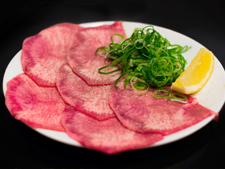
tongue and roast beetroot saladLots of people these days seem to be nostalgic for the ox tongue of their childhood, but few attempt to cook it. A whole ox tongue does look rather terrifying, admittedly, but we think it’s worth the effort. Brining the tongue before you cook it gives the meat great flavour, but does turn it into almost a week-long project. You have been warned. Tongue and Roast Beetroot Salad with a Balsamic Dress – Printer Friendly Download

Ingredients:

  • 1 ox tongue

For the brine:

  • 100 g sea salt
  • 2 tablespoons black peppercorns
  • 1 tablespoon whole cloves
  • 3 fresh bay leaves
  • 3/4 teaspoon curing salt (this is for colour rather than flavour and can be omitted)

To cook the tongue:

  • 1 carrot, chopped
  • 1 onion, chopped
  • 1 stick celery, chopped
  • handful of parsley stalks
  • 6 black peppercorns
  • flaky sea salt
  • 3 eggs
  • 100 g plain flour
  • 250 g panko breadcrumbs
  • 1 litre vegetable oil
  • for the salad:
  • 8 medium beetroots roasted (see page 115)
  • 300 g mixed leaves
  • extra virgin olive oil
  • aged balsamic vinegar

To Cook:

In a large saucepan, combine the salt, peppercorns, cloves, and bay leaves in a litre of water. Bring to the boil and stir until the salt has dissolved. Remove from the heat and add 2 litres of cold water. Leave to cool. Place the tongue in a large bowl and cover with the brine. Place in the fridge, covered, for five days, turning once. Remove the tongue from the brine, rinse well, put in a large pot and cover with water. Bring to the boil and discard the water. Cover with fresh water and bring to the boil again, and add the carrot, onion, celery and parsley stalks, peppercorns and a large pinch of flaky sea salt. Simmer gently until tender but not falling apart, about 4 to 5 hours. Remove the tongue from the cooking liquid but retain the liquid. When the tongue is cool enough to handle, strip it of its skin and any unsavoury-looking bits. Return the tongue to the cooking liquid to cool. When it has reached room temperature, place it in a bowl in the fridge, with a weight on top of it to press it down, for 24 hours. Prepare the roasted beetroots. Whisk the eggs and place in a shallow bowl. Prepare separate bowls for the flour and breadcrumbs. Slice the tongue into slices about 1/2 cm thick. Heat the vegetable oil to 190 C in a deep fat fryer. Dip the slices of tongue first into the flour, then the egg, then the breadcrumbs. Fry in the hot oil until golden brown and hot through. Drain on kitchen paper. Dress the leaves and roasted beetroots with olive oil and a little flaky sea salt and divide between six plates. Place the slices of fried tongue on each plate and top with a drizzle of aged balsamic vinegar.

James Whelan Butchers: Barbacoa Beef Cheeks

Posted on Friday, August 22nd, 2014 by Pat Whelan in Beef Recipes, Recipes | No Comments »

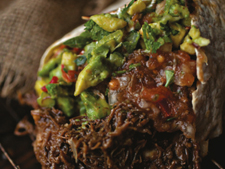
Barbacoa Beef CheeksBeef cheeks are one of our favourite cuts. The meat is intense, full of robust flavour and has a richness that is not at all cloying. Don’t be put off by what might seem like a bizarre combination of ingredients; this recipe is a cinch, and it takes very little time to prepare. The recipe serves four, but our recommendation is that you make a larger batch and invite over your friends to watch a match, have a few drinks and shoot the breeze. An Irish artisan cider such as Stonewell would go nicely. Barbacoa Beef Cheeks – Printer Friendly Download

Ingredients:

  • 1 kg beef cheeks, trimmed
  • 1 ancho chilli
  • 4 cloves garlic, peeled and chopped
  • 1 tablespoon peanut butter
  • 1 teaspoon instant espresso powder
  • 4 tablespoons extra virgin olive oil or Irish rapeseed oil
  • 2 tablespoons Highbank apple syrup or maple syrup or honey
  • 2 tsp ground cumin
  • 1 tsp smoked paprika
  • 1 handful fresh coriander, chopped
  • 1 teaspoon salt
  • 250 ml chicken stock
  • 4 limes

to serve:

  • 2 avocados, peeled and sliced (or guacamole)
  • 4 wraps or tortillas
  • roasted tomato salsa
  • fresh coriander
  • sour cream
  • grated cheese — a strongly flavoured Cheddar-type such as Hegarty’s from Whitechurch, Co. Cork
Serves 4-6

To Cook:

Remove the stem and seeds from the ancho chilli, chop it roughly and put it in a little warm water for a few minutes to rehydrate. Blend the chilli (and its water), garlic, peanut butter, espresso powder, 2 tablespoons of the oil, syrup, cumin, paprika, coriander and salt into a paste. Marinate the beef cheeks in the paste for a few hours, preferably overnight, in the fridge. Preheat the oven to 140Åã C/fan 120Åã C/gas mark 11/2. Heat 2 tablespoons oil in a flameproof casserole dish and brown the cheeks on both sides. Don’t move the cheeks around too much when you’re browning them — the less they move, the more colour and flavour they’ll pick up. Pour the rest of the marinade into the pan with the stock, then squeeze in the juice of 3 limes.

Put the lid on and place in the oven for about 31/2 hours, turning the cheeks once or twice while they cook. If the liquid dries up, add a little more stock. By now the cheeks should be very tender. Pull them apart with two forks and mix with the juices in the pan. Add a squeeze of lime to taste, and a touch more syrup if you like. Serve the barbacoa in a wrap or corn tortilla with guacamole or slices of avocado, roasted tomato salsa, sour cream, a sprinkling of fresh coriander and grated cheese.

James Whelan Butchers: Pomegranate-Marinated Hanger Steak with a Warm Farro Salad

Posted on Friday, August 22nd, 2014 by Pat Whelan in Beef Recipes, Recipes | No Comments »

Pomegranate Marinated Hanger Steak with a Warm Farro SaladAsk your butcher to prepare the hanger steak for grilling; it will probably be in a few pieces once the sinew has been removed. This recipe will work equally well with sirloin or skirt steak, but check the cooking guide and adjust the timing accordingly. Farro is a nutty-tasting whole grain from Italy; you could use brown basmati rice or a barley couscous instead. Pomegranate-Marinated Hanger Steak with a Warm Farro Salad – Printer Friendly Download

Ingredients

  • 2 tablespoons extra virgin olive oil or Irish rapeseed oil
  • 2 tablespoons pomegranate molasses
  • 1 tablespoon sherry vinegar
  • 500 g hanger steak
  • 200 g farro
  • 1 large bunch flat-leaf parsley, chopped
  • 1 pomegranate, seeds only
  • 100 g walnuts, toasted
  • sea salt

For the dressing:

  • 1 clove garlic, crushed
  • 1 tablespoon sherry vinegar
  • 4 tablespoon extra virgin olive oil or Irish
  • rapeseed oil
  • 2 teaspoons sumac
  • pinch of ground coriander
  • pinch of ground allspice
  • pinch of freshly ground black pepper
  • pinch of sea salt

Serves 4

To Cook

Mix the rapeseed oil, pomegranate molasses and sherry vinegar in a bowl. Put the steak in a flat dish and cover with the marinade. Leave for an hour or two, turning a couple of times. Meanwhile, simmer the farro in a litre of water for about 35 minutes or until tender. Make the dressing: blend or mix the ingredients together and check the seasoning. When the farro has been simmering for about 15 minutes, heat a griddle pan until smoking, season the steak with sea salt and cook for about 3 minutes on each side, until nicely charred. This will bring the steak to medium- rare/medium — cook it any longer and it will be tough. Cover with foil and leave to rest. When the farro is tender, drain it and dress it while still warm. Add the pomegranate seeds, parsley and walnuts. Slice the steak in strips against the grain. Divide the farro salad between four plates and serve with the slices of steak on top.

James Whelan Butchers: Blackberry Time

Posted on Friday, August 22nd, 2014 by Pat Whelan in Foodie Articles, Good Food | No Comments »

The kids and I did some blackberry picking at the weekend.  It’s hard to believe that it’s that time of year again.  And where there are blackberries there are new school bags, packed to gills with new books and virgin stationery waiting to fulfil their very purpose.  In nature the schoolbag would be seen as one great big bag of potential seed.  If the student uses the contents wisely and on purpose the results can be explosive or perhaps the contents will be wasted, rushed through, thrown aside at every opportunity – the potential within never fully realised.   There’s something about blackberry time that, for me anyway, always heralds positive new beginnings.  It’s like the start of a new year all over again, which it is in a way.  It’s a chance to lay down new rules and have another fresh start.

There’s a different feel to the start of the new school year than there is to the start of the real New Year in January.  On the first of January we are all about resolutions, rousing ourselves from the winter lethargy and shaking off the excess of Christmas.  The beginning of the new school year however feels a little more supportive of change.  Like the start of the year when we are surrounded by new stuff from Christmas, the start of the school year is also about new stuff – but the ‘new stuff’ is much more utilitarian.  New lunchboxes, new schoolbags, new pencil cases and new uniforms speak silent motivating messages of work, routine, productiveness and learning.

Apple and blackberry crumble

With all of us on the cusp of this change it might be a good time to take stock of our eating patterns which also need to fall in line with our new routines.  The kids’ systems need to adjust also.  During the summer they have free access to the fridge all day.  At any time during play they can stop and announce “I’m hungry” and food of some sort will be provided.  School isn’t as relaxed and those little bodies will need enough fuel in them to take them from breakfast, through to lunch and on through the day.

While the kids face the routine of school we must also be a little more disciplined in our food preparation.  Once again we are working with both the clock and the body clock, both equally demanding.   My first bit of advice is to keep it simple and the second is to plan.

As students work out their timetables for school work and all the various extracurricular activity that seems to be the norm these days, it’s no harm for us to take a leaf out of their homework diaries and work out our own schedules.  How about stocking the larder first and then the freezer with quick meal basics?  What about sorting out a month’s worth of recipes and seeing where batch cooking, bulk buying and the clever use of leftovers for consecutive day cooking might just save you time and real money, not to mention stress.

While we are all well aware of the ills of long life foods, you should have a good supply of tinned tomatoes, beans, pasta, cous cous, quinoa, stock cubes, spices and the like to hand at all times.  With a well stocked home larder and a few fresh items a delicious meal can be whipped up in minutes.

I also think that the internet is your friend.  The inspiration and food education at your fingertips is immeasurable.  Check out the James Whelan Butchers website for some great recipes, ‘how to’ videos and you can even order your meat there and have it delivered to your door.  After a certain point in the order the delivery is free.  By all means pop in store too where you will see our range of ready prepped meals that are family winners in quality and value every time.

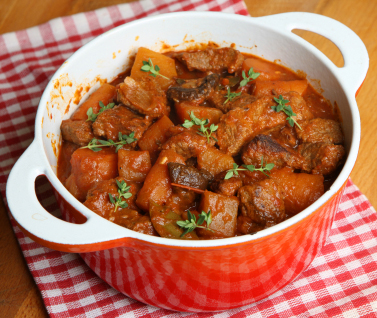
Beef & Vegetable CasseroleA good kitchen clear out before the kids go back to school is another good idea.  The work in the kitchen changes come school time.  Lunches have to be prepared once more and so the supplies for that should be handy and plentiful.  Setting up a proper lunch making station (a cupboard or even a shelf in a cupboard – just to mind the lunch stuff is really handy and stress relieving.)

I mentioned it briefly earlier but getting ahead is really the best way to save time and more importantly, money.  You don’t even have to cook full meals, just prep the main ingredients and pop them in the freezer.  You can also make all the freezer friendly winter favourites like stews, pies and homemade burgers for example.  And it just seems so much easier making them at your leisure during time off rather than at the end of a busy day.

Finally where we prepare our food and eat is just as important as what we eat.  Study after study has proven the cliché that families who eat together just do better!  The why is unimportant, but in these crazy, madcap days of the technology centric 21st Century, human contact is more important than ever.  At least a few times a week, if not once a day, sitting together to break bread and create some great food memories can be very nourishing.  Talking through the day, sharing the good moments and the bad, is important for our mental health as much as food is for our physical well being.  Sitting in a lovely space to eat with family together with natural and healthy home cooked food and it’s a great foundation for a very happy new school year.

We hope you enjoyed reading this post by Pat Whelan of James Whelan Butchers. Pat is a 5th generation butcher, cook book author and the director of  James Whelan Butchers with shops in Clonmel, the Avoca Handweavers Rathcoole and Kilmacanogue, Dunnes Stores Cornelscourt, Rathmines and Swords in Dublin. Sign up to our newsletter for more updates from James Whelan Butchers

James Whelan Butchers:Value over Cost

Posted on Friday, August 15th, 2014 by Pat Whelan in Foodie Articles | No Comments »

It can be quite the battle these days to get people to focus on value rather than price.  The two are not interchangeable.  It is also a folly to compare sectors.  Wearing a low quality t-shirt cannot be compared to eating low quality or poor food.  

Before we get to the value over cost debate it’s important to ask ourselves why we eat in the first place.  While I’m aware that the industry has spent a fortune in linking food with lifestyle and creating a veritable past time out of all things ‘foodie’, eating is not a ‘hobby’ and eating good food is not a luxury, nor should it be considered the preserve of the rich.

In a modern, first world country, like the one we are blessed to live in, we need to take a step back and ask ourselves some questions.  Have we lost all sense of respect for our health and well being when we only use price as a guide to what we eat?  Are we just blindly ignoring the blatantly obvious correlation between what we eat today and our health tomorrow and the associated costs of sickness and disease?  Do we leave our thinking brains at the door of the supermarket and get sucked into the idea that food with a long shelf life is acceptable when the truth is the shorter the shelf life the fresher the food.  Why do we blindly count calories without ever considering the energy value of the calorie; not all calories were created equal.

In any business there are three main pillars.  You will often hear it discussed as “Price, quality, service; pick two”.  The theory is that you can only build a business on two of the three. Look at any retail business and you can easily pick out the top two core values they operate from.  Personally, I don’t run my business from this expert point of view.  Instead I essentially approach it by asking why we eat in the first place.  I believe we eat first and foremost to nourish our bodies with energy giving and life supporting foods in order to live long, healthy and productive lives.  Secondly, I consider taste and variety.  Thirdly we constantly keep that difference between value and price at the forefront of our minds. Irish Times Best Butcher

I appreciate choosing value and quality over price may seem difficult given the financial demands of modern day living.  Families are acutely aware of this in the present back to school season.  Our little bundles of joy seem like bottomless walking money pits at this time of year as we contend with the costs of school books, school bags, school uniforms, stationery, voluntary contributions to the school and shiny new lunchboxes.  I can quite understand how there is a tight budget left for the contents of those same shiny new lunchboxes!  However for many of us, myself included, we have allowed our children to be taken over by hype and advertising.   We are happy to shell out over the top for the special lunchbox with One Direction, Peppa Pig or the Marvel Comic characters adorning the front, while we baulk at paying a little extra for the better quality content of the sandwiches the little boxes will eventually hold.  So One Direction, the Peppa Pig creators and Spiderman’s inventor get rich while your child’s diet becomes poor.

In an average supermarket the shopper is constantly faced with these choices and I know it can be a minefield.  Usually supermarkets stock three ranges, the value range, the mid price range and the luxury range.  Some people believe that the only difference is the packaging, but I can tell you it’s not as simple as that.  Looking at meat offerings in particular for example I can see how the large bulky value pack of mince meat is often chosen over the Irish steak mince in the obviously smaller pack with the greater price tag.  I can honestly tell you that you would be better off buying the smaller pack and bulking it out with vegetables and grains.  This is a mindset we need to acquire.  It is always better to buy the smaller local free range chicken than the large water injected, battery reared chicken.  Eating less of greater quality is always to be preferred when it comes to food.  Why? Because food is fuel.

Would you knowingly put cheap, substandard petrol in your car?  Of course you wouldn’t.  More to the point, would you put fake petrol in your car?  Not a chance!  While the fake petrol may get you from A to B in the short term, the long term damage it would do to the car’s engine would prevent you choosing it every time.  Yet we constantly buy ‘fake’ food; items that are over processed and stripped of all goodness or food created from chemicals in a laboratory that never existed outside a test tube.

At James Whelan Butchers all our food is real food.  The meat we sell is nutritious, natural and supportive of health and well being.  We know our suppliers, we know where they are and I can honestly say that some of my customers travel from a further distance to my shop than the meat and produce that we sell.  I am aware of the provenance of every item of food inside the door of my shop; I’ve always known it.

At James Whelan Butchers we are constantly aware of the financial pressures families are under and so we strive creatively to make best quality into best value.  Come and see our range of ready to cook foods.  If I’m honest I don’t want people shopping at James Whelan Butchers because we have the cheapest meat in town.  I want people to come because they know they will get quality, excellent service and the best value for money around.  Surely your family is worth it.  I welcome your feedback to [email protected]

We hope you enjoyed reading this post by Pat Whelan of James Whelan Butchers. Pat is a 5th generation butcher, cook book author and the director of  James Whelan Butchers with shops in Clonmel, the Avoca Handweavers Rathcoole and Kilmacanogue, Dunnes Stores Cornelscourt, Rathmines and Swords in Dublin. Sign up to our newsletter for more updates from James Whelan Butchers