Posted on Wednesday, November 12th, 2014 by Pat Whelan in Beef Recipes | No Comments »
 A truly fresh and vibrant salad that takes next to no time to prepare. This works well as either a starter or a main course.
Beef tataki – Printer Friendly Download
Ingredients
500 g beef fillet
30 ml extra virgin olive oil or Irish rapeseed oil
For the marinade:
- 75 ml soy sauce
- 50 ml rice vinegar
- 2 shallots, finely sliced
- 2 tablespoons soft dark brown sugar
- zest of 1 lime
- 10 g fresh ginger, grated
- 2 garlic cloves, sliced
For the salad dressing:
- 50 ml soy sauce
- 50 ml rice vinegar
- 1 tablespoon soft dark brown sugar
- 1 lemon, juice and zest only
- 1 chilli, finely chopped
For the salad:
- a handful of beansprouts
- a handful of watercress
- ½ cucumber, sliced
- 1 shallot, sliced
- 2 teaspoons pickled ginger
Serves 6 as a starter
To Cook
Rub the beef with oil and season with salt and freshly ground black pepper. Heat a heavy-based frying pan and fry the beef for one minute on each side. Remove from the pan and set aside. Mix together all the ingredients for the marinade in a bowl until well combined. Place the meat in the bowl and massage the marinade into it. Transfer the meat and marinade to a Ziploc bag and leave in the fridge to chill for at least two hours. Make the dressing by whisking together all the ingredients in a bowl until well combined. Arrange the salad on a large platter and spoon over the dressing. When the meat has been chilled, slice it very thinly and arrange on top of the salad.
Tags: Avoca Irish Butcher, beef fillet, Beef Recipes, beef tataki, Irish Beef, James Whelan Butchers, Pat Whelan, The Irish Beef Book
Posted on Monday, November 10th, 2014 by Pat Whelan in Beef Recipes | No Comments »
 Ask your butcher to prepare the hanger steak for grilling; it will probably be in a few pieces once the sinew has been removed. This recipe will work equally well with sirloin or skirt steak, but adjust the timing accordingly. Farro is a nutty-tasting whole grain from Italy; you could use brown basmati rice or a barley couscous instead.
Pomegranate-Marinated Hanger Steak with a Warm Farro Salad – Printer Friendly Download
Ingredients
- 2 tablespoons extra virgin olive oil or Irish rapeseed oil
- 2 tablespoons pomegranate molasses
- 1 tablespoon sherry vinegar
- 500 g hanger steak
- 200 g farro
- 1 large bunch flat-leaf parsley, chopped
- 1 pomegranate, seeds only
- 100 g walnuts, toasted
- sea salt
For the dressing:
- 1 clove garlic, crushed
- 1 tablespoon sherry vinegar
- 4 tablespoon extra virgin olive oil or Irish rapeseed oil
- 2 teaspoons sumac
- pinch of ground coriander
- pinch of ground allspice
- pinch of freshly ground black pepper
- pinch of sea salt
Serves 4
To Cook
Mix the rapeseed oil, pomegranate molasses and sherry vinegar in a bowl. Put the steak in a flat dish and cover with the marinade. Leave for an hour or two, turning a couple of times. Meanwhile, simmer the farro in a litre of water for about 35 minutes or until tender. Make the dressing: blend or mix the ingredients together and check the seasoning. When the farro has been simmering for about 15 minutes, heat a griddle pan until smoking, season the steak with sea salt and cook for about 3 minutes on each side, until nicely charred. This will bring the steak to medium- rare/medium — cook it any longer and it will be tough. Cover with foil and leave to rest. When the farro is tender, drain it and dress it while still warm. Add the pomegranate seeds, parsley and walnuts. Slice the steak in strips against the grain. Divide the farro salad between four plates and serve with the slices of steak on top.
Tags: Avoca Irish Butcher, Irish Beef, Pat Whelan, Pomegranate marinade for steak, Pomegranate Marinated Hanger Steak with a Warm Farro Salad, The Irish Beef Book
Posted on Wednesday, November 5th, 2014 by Pat Whelan in Beef Recipes, Recipes | No Comments »

This sumptuous ragù is the perfect companion for a cozy meal. Whether spooned over pasta, dolloped onto a baked potato, paired with creamy polenta, or served with buttery mashed potatoes and vibrant green vegetables, it’s a dish that delivers on richness and flavor. It also freezes beautifully, making it a practical choice for batch cooking. If you manage to get your hands on a good supply of beef cheeks, this recipe is ideal for making a generous batch—enough for two lasagne recipes and plenty of leftovers to savor later.
Multi-tasking Rich Beef Cheek Ragù – Printer Friendly Download
Ingredients
- 1.8kg beef cheeks, trimmed
- Sea salt and freshly ground black pepper
- 2 tablespoons extra virgin olive oil or Irish rapeseed oil
- 120g smoked bacon, chopped into cubes
- 4 carrots, chopped
- 4 onions, chopped
- 4 sticks of celery, chopped
- 3 x 400g tins of chopped tomatoes
- 375ml red wine
- 1 litre chicken stock
- A few sprigs of fresh thyme
- 2 tablespoons aged balsamic vinegar or Saba vinegar
Serves 8
Method:
- Prepare and Brown the Beef Cheeks:
Preheat your oven to 170°C (150°C fan) / Gas Mark 3½. Cut the beef cheeks in half and season generously with sea salt and black pepper. Heat the oil in a heavy frying pan and sear the beef cheeks in batches until they’re deeply browned and caramelized. Take care not to overcrowd the pan to avoid steaming the meat.
- Cook the Base Ingredients:
In a large, heavy-bottomed casserole dish, fry the smoked bacon cubes until golden. Add the carrots, onions, and celery, and cook gently until softened. Stir in the chopped tomatoes, followed by the seared beef cheeks.
- Deglaze and Build the Sauce:
Pour the red wine into the frying pan used for the beef cheeks, scraping up any caramelized bits to capture their flavor. Add this to the casserole dish, along with the chicken stock and sprigs of thyme.
- Slow Cooking to Perfection:
Cover the casserole dish and cook in the oven for about 3 hours, or until the beef cheeks are meltingly tender. Remove the lid and continue cooking for a further 45 minutes, stirring occasionally, to allow the sauce to thicken and concentrate.
- Finish and Serve:
Once the sauce has cooled slightly, stir in the aged balsamic or Saba vinegar for a touch of richness and complexity. Break up the tender beef cheeks with a wooden spoon, season to taste, and serve.
Pro Tip:
For an even better flavor, allow the ragù to cool, refrigerate it overnight, and reheat it gently the next day. This extra time lets the flavors meld beautifully.
Tags: Avoca Irish Butcher, Beef Cheek, James Whelan Butchers, Multi-tasking Rich Beef Cheek Ragù, Pat Whelan, Ragu, The Irish Beef Book
Posted on Tuesday, November 4th, 2014 by Pat Whelan in Foodie Articles | No Comments »
An egg is among the most nutritious foods that we have access to with many believing that the egg is ‘nature’s multivitamin.’ Eggs contain unique antioxidants and powerful brain nutrients that many people are deficient in. Eggs are loaded with vitamins, minerals, high quality proteins, good fats and various other lesser-known nutrients. An average large egg contains Vitamin B12, Vitamin B2, Vitamin A, Vitamin B5 and Selenium along with small amounts of almost every vitamin and mineral required by the human body such as calcium, iron, potassium, zinc, manganese, Vitamin E and many more. A large egg contains 77 calories, with 6 grams of quality protein, 5 grams of fat and trace amounts of carbohydrates. Almost all the nutrients are contained in the yolk, the white contains only protein. So what we really need to take away from the above is that for 77 calories you are getting an incredibly nutritious food; serious bang for your calorie intake buck!
Now I have to add the caveat that not all eggs are created equal. Eggs that come from hens raised in cages and fed an inadequate diet will naturally be less nutritious than a hen that has had a healthier life. However, to be fair Ireland has a very good reputation for chickens and eggs so if you stick with an Irish egg then you can’t go too far wrong. If you can get your hands on farm fresh eggs then that would be the ideal choice, but be warned, if you get used to eggs with those wonderfully plump yellow yokes, you could be spoiled for the future.
In the kitchen the egg is a cook’s treasure indeed. It could be argued that it is probably one of nature’s most perfect creations when it comes to cooking. The variety of uses is astounding and the fact that it can be eaten raw or cooked makes it highly versatile while the savoury and sweet aspects combine to make it an undeniably brilliant food in itself or as an ingredient. 
A few years ago in this column I wrote about the simplicity of a boiled egg with soldiers for breakfast. My personal method of boiling the egg to the consistency that I like is to put cold water in a pot, place the eggs in and once it has reached boiling point only then do I start the three minute count. Some people think that you shouldn’t put the eggs into the water until it is boiling; each to their own. I always thought that frying an egg was a lot less contentious until I came across “The Perfect Egg and Other Secrets” by Aldo Buzzi. In the book he describes how to cook the perfect fried egg. First of all you cook it on a low heat and you certainly don’t crack the egg directly onto the pan. You crack the egg into a cup and from the cup pour just the white onto the pan reserving the yoke for a few moments longer. When the white begins to set you sprinkle it with salt and pepper and only then do you pour the yolk on top of it, right in the middle of the circle of white. The theory behind this is that you don’t want the underside of the delicate yolk to come into direct contact with the heat from the bottom of the pan. You then put a lid on the pan to complete the cooking. It is imperative that the fried egg is transferred to a warm plate to avoid over cooking in the heat of a pan.
I tried this as an exercise. I put away my plebeian methods of cracking three eggs into the pan at a time, always congratulating myself on not breaking the yokes. Aldo Buzzi would surely hang me over a bridge head first if he knew about my flagrant disregard for the intricacies of egg frying. I followed the rules precisely and it was a great egg.
Eggs in pots or, as the French like to say, ‘Eggs en Cocotte’ are another favourite. All you need are eggs and crème fraîche and after that you can throw in anything savoury that’s lurking around the fridge. I like them with plenty of crusty bread. Season some crème fraiche with pepper and a little nutmeg. Place a tablespoon of the seasoned crème fraiche in the bottom of a ramekin. Then some recipes call for a little dill on top of that but I often use coriander or whatever fresh herb is to hand – just a little. Crack an egg on the top and then finish with another tablespoon of crème fraiche and a tiny sliver of butter. Top with a pinch of salt, pepper and nutmeg. Place the ramekin on a baking dish and fill with water to come half way up the ramekin then bake in the oven at about 180 for about 15 minutes or until the yolk is the consistency that you like.
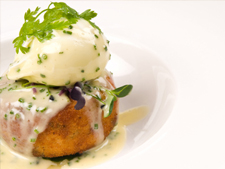 From eggs in pots to omelettes of all flavours, quiches or even as a binding ingredient, eggs are fantastic. What I really want you to take away from this is that eggs are inexpensive, hugely versatile, go with almost any food and are one of the superfoods. All the bad press that eggs have received over the years should be ignored. Embrace the egg, it’s hard to find such a nutritious and versatile food. It is indeed natures multivitamin. I welcome your feedback to [email protected].
We hope you enjoyed reading this post by Pat Whelan of James Whelan Butchers. Pat is a 5th generation butcher, cook book author and the director of James Whelan Butchers with shops in Clonmel, the Avoca Food Market Monkstown, Rathcoole & Kilmacanogue. Sign up to our newsletter for more updates from James Whelan Butchers
.
Tags: antioxidants, Avoca Irish Butcher, eggs, Eggs en Cocotte, foodie articles, fried egg, good fats, James Whelan Butchers, minerals, nutrients, Pat Whelan, proteins, The Nationalist, vitamins, yokes
Posted on Monday, November 3rd, 2014 by Pat Whelan in Good Food | No Comments »
 This is the national dish of Laos but it appears in various incarnations throughout Southeast Asia. Often made with pork or chicken, it’s equally good with beef. Play around with the proportions to get the balance of sharpness and heat that you like best. This is a super-speedy starter that’s fun to eat, or a quick supper that you can have on the table in minutes.
Beef Larb with Lettuce Wraps – Printer Friendly Download
Ingredients
- 1 teaspoon extra virgin olive oil or Irish rapeseed oil
- 2 red chillies, finely chopped (use bird’s eye chillies if you can take the heat)
- 2 cloves garlic, finely chopped
- 400 g minced beef
- 1 tablespoon Thai fish sauce (nam pla)
- 4 spring onions, finely chopped
- zest and juice of 1 lime
- 4 tablespoons coriander, finely chopped
- 2 heads of iceberg lettuce
To garnish:
- finely sliced shallots
- 100 g toasted peanuts, chopped
Serves 6 as a starter, 2 as a main
To Cook
Put the oil in a frying pan on medium heat, add the finely chopped chillies and garlic and cook for a couple of minutes, stirring occasionally. Add the beef, turn up the heat and cook for 3–4 minutes or until no trace of pink remains, breaking up the meat as it cooks. Add the fish sauce and cook until the liquid evaporates. Off the heat, stir in the spring onions, the zest and juice of the lime and the coriander. Taste and add more lime juice if you like. Fill the iceberg lettuce leaves with scoops of the meat and serve with shallots and peanuts on the side. Eat with your fingers.
Posted on Thursday, October 30th, 2014 by Pat Whelan in Beef Recipes | No Comments »
 It’s easy to forget how wonderful corned beef can be. This is a favourite recipe that makes a very popular family dinner. It’s worth making extra for sandwiches or corned beef hash the next day.
Corned Beef with Parsley Sauce – Printer Friendly Download
Ingredients
- 1 kg silverside corned beef
- 2 carrots, chopped
- 1 onion, chopped
- 2 tablespoons butter
- 2 tablespoons plain flour
- 200 ml milk
- 2 tablespoons finely chopped fresh parsley
- 1 teaspoon English mustard
- pinch of nutmeg
- salt and pepper
Serves 4 (with leftovers)
To Cook
Put the corned beef, carrots, and all but one tablespoon of the chopped onion into a large pot, cover with water, and bring to a boil over high heat. Reduce to a simmer and skim off the foam that accumulates on the surface of the water. Cover and simmer for about 2½ hours, or until the corned beef is tender. Remove from the liquid, wrap in foil, and set aside. Reserve about 200ml of the cooking liquid. Melt the butter in a small saucepan over medium heat. Mince the reserved onion and add to the butter. Cook for about 1 minute, then stir in the flour and cook, stirring, for about 1 minute more. Add the reserved cooking liquid, milk, parsley, mustard, nutmeg, and salt and pepper to taste, whisking the ingredients together until smooth. Cook for another 4–5 minutes, whisking constantly, until the sauce thickens. To serve, slice the corned beef against the grain and spoon the sauce over it. Delicious with buttered cabbage and floury boiled potatoes or colcannon.
Tags: corned beef, corned beef with parsley sauce, James Whelan Butchers, parsley sauce, Pat Whelan, The Irish Beef, traditional Irish
Posted on Tuesday, October 28th, 2014 by Pat Whelan in Beef Recipes | No Comments »
 Fat-phobes love this cut of steak as no trimming is required. Don’t skip the marinating stage, though — that’s what keeps the meat juicy and tender.
Skirt Steak with Green Herb Sauce – Printer Friendly Download
Ingredients
- a whole skirt steak
- 8 sprigs rosemary
- 8 cloves garlic, unpeeled and smashed
- freshly ground black pepper
- 2 tablespoons extra virgin olive oil or Irish rapeseed oil
- flaky sea salt
for the herb sauce:
- 2 cloves garlic, peeled and crushed
- 75 ml white wine vinegar
- 1 teaspoon ground cumin
- 1 teaspoon sea salt
- 4 (in total) large handfuls of mint, coriander and flat-leaf parsley leaves
- 250 ml extra virgin olive or Irish rapeseed oil
- 1 whole red chilli, deseeded and chopped finely
Serves 4-6
To Cook
Put the steak in a bowl with the rosemary, garlic, plenty of freshly ground black pepper and the oil. Cover with clingfilm and leave to marinate for at least a couple of hours, preferably overnight, turning a couple of times if possible. Take the steak out of the fridge about an hour before you are ready to cook. To make the herb sauce, blend together the garlic, vinegar, cumin and salt in a food processor. Add the herbs and blend to a purée. With the motor running, gradually add the oil until you have a loose sauce. Stir in the chopped chilli. You can make this ahead of time — just stir before serving. Cut the steak into two large pieces. Heat a large, ridged, cast iron pan — or two if you have them – on a high heat until you can barely hold your hand over it. Remove the steak from the marinade and season well with sea salt flakes. Cook for 2–3 minutes each side, without moving the meat, depending on how you like your steak cooked. Two and a half minutes is bang on for medium rare, so adjust accordingly, but any longer than 3 minutes will result in tough steak. Remove from the pan and leave to rest for 5–10 minutes, covered with foil. Repeat with the second piece of meat (if you are only using one ridged pan). Slice the meat across the grain and serve on a board, dressed with any juices that have run out during resting and a little of the sauce, with the rest of the sauce on the side. This is very good with the red slaw and sweet potato wedges.
Tags: Avoca Irish Butcher, herb sauce, herbs, Irish Beef, James Whelan Butchers, Pat Whelan, skirt steak, Skirt steak with Green Herb Sauce, The Irish Beef Book
Posted on Friday, October 24th, 2014 by Pat Whelan in Beef Recipes | No Comments »
 As with beef Bourguignon, there are as many variations on the theme of daube as there are cooks in Provence. You can cook a daube with chunks of meat — shin would be good — or in the piece, pot-roast style. Here we have used the so-called housekeeper’s cut, which is taken from the shoulder of the animal and is ideally suited to a long, slow braise in the oven while you get on with something else. The gratin is delicious.
Daube with Macaroni St Gall Gratin – Printer Friendly Download
Ingredients
- 1.5 kg housekeeper’s cut, rolled and tied
- 1 tablespoon plain flour
- 2 tablespoons extra virgin olive oil or Irish rapeseed oil
- 1 x 400 g tin chopped tomatoes
- 500 ml beef or chicken stock
- 250 g macaroni
- 150 g St Gall cheese, grated
for the marinade:
- 1 bottle red wine
- 100 ml brandy
- 2 tablespoons extra virgin olive oil or Irish rapeseed oil
- 2 tablespoons red wine vinegar
- 3 onions, halved and sliced
- 2 carrots, sliced
- 1 stick celery, sliced
- 4 cloves garlic, sliced
- 2 bay leaves
- 1 orange, juice and zest, in strips
- 6 black peppercorns
- 6 allspice berries
- 2 cinnamon sticks
- 2 sprigs fresh thyme
- 1 teaspoon fine sea salt
Serves 6
To Cook
Put the beef in a large bowl with all the marinade ingredients. Leave to marinate overnight. Preheat the oven to 140° C/fan 120° C/gas mark 1. Lift the marinated meat from the bowl and pat dry with kitchen paper. Dust it thoroughly with the flour. Heat the oil in a casserole and brown the meat all over, turning it a couple of times. Add the tomatoes and stock and stir well. Add the marinade with the vegetables. Bring to a simmer, cover and transfer to the oven. Cook slowly for about three hours, after which it will be beautifully tender. Remove the meat from the cooking liquid, cover it with foil and keep warm. Strain the liquid, skim the fat from the surface and boil to reduce by half. Meanwhile, cook the macaroni until just short of al dente. Add the macaroni and half the cheese to the cooking liquid and season with salt and pepper. Sprinkle the remaining cheese on top, turn the oven up to 180° C/fan 160° C/gas mark 4 and reheat for 10–15 minutes. Heat under the grill for a few minutes to brown the top of the gratin. Slice the meat and serve with the macaroni, making sure that everyone gets some of the crisp topping.
Tags: Avoca Irish Butcher, daube, Daube with Macaroni St Gall Gratin, housekeeper's cut, Irish Beef, James Whelan Butchers, Pat Whelan, Potato Gratin, Shin beef, slow braise
Posted on Wednesday, October 22nd, 2014 by Pat Whelan in Beef Recipes | No Comments »
 Marcella Hazan’s Classic Italian Cookbook is one of the greats, essential in any comprehensive library of cookbooks. Hazan is credited with having introduced authentic Italian cooking to America, and her recipes are always restrained and simple. Her ragù is a no-frills version – it contains no pork and no chicken livers, no garlic and no herbs. Hazan says there are three essentials to its success: the meat is to be sautéed only long enough to lose its raw colour – it should not brown as it will lose delicacy; the milk must be added before the tomatoes to keep the meat creamy and sweet tasting; and the sauce must cook at a long and very gentle simmer – three and a half hours at least, preferably five.
Ragu- meat sauce bolognese style – Printer Friendly Download
Ingredients
- 3 tablespoons olive oil
- 40 g butter
- 1 medium onion, chopped small
- ½ large stick celery, chopped small
- 1 medium carrot, chopped small
- 350 g minced beef, not too lean, preferably chuck
- sea salt
- 240 ml dry white wine
- 120 ml milk
- 1/8 teaspoon freshly ground nutmeg
- 1 x 400 g tin chopped Italian tomatoes
Serves 6 as a modest primi piatti, or 3 as a substantial main course
To Cook
In a heavy, deep cast iron casserole dish, heat the oil and butter and add the onion. Sauté briefly over a medium heat until just translucent. Add the celery and carrot and cook gently for two minutes.
Add the minced beef, crumbling it into the pot with a fork. Add one teaspoon of sea salt, stir, and cook only until the meat has lost its raw, red colour.
Add the wine, turn the heat up to medium high and cook, stirring occasionally, until all the wine has evaporated. Turn the heat down to medium, add the milk and the nutmeg. Cook until the milk has evaporated, stirring frequently. Add the tomatoes and stir thoroughly.
When the tomatoes have started to bubble, turn the heat down and cook the sauce at the laziest simmer, with just an occasional bubble.
Cook, uncovered, for at least 3½–4 hours, stirring occasionally. Taste and correct for salt.
Serve with about 50 g of spaghetti per person as a starter, or around 100 g per person as a main course.
Tags: Avoca Irish Butcher, Bolognese style, Irish Beef, Irish minced chuck beef, Italian cuisine, James Whelan Butchers, Pat Whelan, Ragu Meat Sauce, The Irish Beef Book
Posted on Monday, October 20th, 2014 by Pat Whelan in Beef Recipes | No Comments »
 Everyone in our house loves meatballs especially Spanish meatballs! Baking the meatballs in the oven rather than frying them makes this recipe very straightforward and the chorizo elevates the dish from run of the mill to something a little more special with very little extra effort. This is a terrific multi-generational crowd-pleaser; the quantities can be easily doubled for a larger number.
Ingredients
- 1 kg minced beef
- 250 g minced free range pork
- 1 onion, finely chopped
- large handful of flat-leaf parsley, finely chopped
- 2 tablespoons smoked sweet paprika
- 100 g fresh breadcrumbs
- 2 eggs, beaten
- fine sea salt
- freshly ground black pepper
- extra virgin olive oil or Irish rapeseed oil
for the sauce:
- 200 g cooking chorizo, stripped from its skin
- and finely chopped
- 2 tablespoons olive oil
- 4 cloves of garlic, crushed
- 4 x 400 g tins chopped tomatoes
- 125 ml red wine
- 1 tablespoon caster sugar
- large handful of flat-leaf parsley, finely chopped
Serves 10
To Cook
Preheat the oven to 220° C/fan 200° C/gas mark 7. Combine the ingredients for the meatballs in a large bowl, using your hands to ensure that everything is evenly distributed. Form the mixture into balls about the size of a golf ball. You should have around 50 in total. Brush a large roasting tin with a little olive oil and place the meatballs on the tray, then drizzle with a little more olive oil. Bake in the in the oven for about half an hour, shaking the tin from time to time, until the meatballs are evenly browned. If they catch a little and start to caramelise, so much the better. Once the meatballs are in the oven, heat a frying pan over a medium heat and fry the chorizo until browned. The chorizo will release fat as it cooks, so there is no need to add any to the pan. Heat the oil in a large, heavy-bottomed pan. Add the garlic and let it fry for a couple of minutes until golden. Add the tomatoes, wine and sugar. Season generously and bring to a simmer. Simmer, stirring from time to time, until it has thickened slightly, which will take about half an hour. Add the chorizo and the fat that it has released during cooking to the tomato sauce and stir. Add the parsley and check the seasoning. Add the cooked meatballs to the pan and coat themwith the sauce. Serve with rice, herbed couscous or cubed roast potatoes, and a green salad.
Tags: Beef Recipes, James Whelan Butchers, Pat Whelan, Spanish meatballs, Spanish meatballs in a tomato chorizo sauce, The Irish Beef Book, tomato chorizo sauce
Posted on Friday, October 17th, 2014 by Pat Whelan in Foodie Articles | No Comments »
I find that when you mention pork chops there isn’t the instant appeal that other meat often elicits. The problem is that the chop has generally been maligned for being too dry, dull and altogether boring. I can understand this because I too, as a child, witnessed the abuses visited on the chop. What started out as a relatively nice looking cut of raw meat ended up horribly pale and leathery and tasted the same. For years there was a fear of raw pork and so everything had to be cooked to a crisp. I feel very sorry for the pork chop because today it really has a lot of untapped potential. The chop makes a lovely alternative to the chicken fillet. It also has great autumnal value as it works well with the glut of apples and other fruits in season.
Things are very different in the pork world today. The quality if Irish pork is really outstanding. Producers are now breeding with taste and flavour as a priority and not just leanness as was the case in times past. Because provenance and knowing where our pork comes from is very important to me I can tell you that pork we se;; is safe to eat medium or even medium rare if that’s how you like it.
There is really no way around it, you must buy well raised pork. It’s best if it is natural pork that has been raised on a local farm. You should also look for a nice layer of fat. I know the tendency is for lean meat but there’s flavour in the fat and, as I said earlier, if it is a good quality chop you can even allow for a little bit of pink in the middle.
 At James Whelan Butchers we love pork loin chops and find there are plenty of great ways to cook them. We do a very popular stuffed pork chop. Using our own great stuffing that’s full of flavour, the moist mixture lends a helping hand to the overall texture of the meat once cooked and it also makes for a filling meal. You can of course stuff the chops yourself by making a stuffing sandwich with two chops and baking. Call by the shop some time to see the range of ready prepared pork chops on offer.
Even at home there are a myriad of things you can do with the chop. Last week I found myself braising pork chops in a simple home made sherry gravy. It couldn’t have been easier. In a heavy cast iron pot with a little oil I seared the meat and then removed them to the side. In the same pot I cooked some chopped onions and added a little crushed garlic, rosemary and thyme. Then I put the chops back in on top of the onions and poured in a very generous amount of sherry, just about covering the chops. I added some chicken stock and brought the whole thing to the boil and then put it in hot oven for about 20 minutes. After about 10 minutes I added some blanched green beans. Once the chops were cooked I removed them and kept them warm while I thickened the gravy a little and then served the lot over some lovely buttery mash. I can’t tell you the amounts of anything that I used but it’s not an exact science at all. It’s rustic and you could add many things to this dish that would just add to it.
You can keep it simple and just bake pork chops. Take them out of the fridge and season well with salt and pepper. I would let them sit out of the fridge for about half an hour, just to make sure that they come up to room temperature. This will also help the chops absorb the seasoning. Then on a piping hot pan sear them on both sides (about four minutes a side) and the finish them off in the oven for about 10 minutes. (You can always give them a little prod with a meat thermometer if you’re not too sure). Once cooked, take them out of the oven, pop a knob of butter onto each one and let them rest for at least five minutes before serving.
The problem with pork is that when it hits the heat it starts to tighten and it is the tightening of the fibres that squeezes out any of the juices within. So if you cook the chop to well done all the way through on a hot relatively dry pan what do you expect? Because of this chops  really lend themselves to slow cooked dishes or even slow cookers. It may take a little organising early in the morning but you will be glad when you come home to those lovely aromas on a cold dark evening. When slow cooking I would sear on a hot pan before putting in the pot and then add all the liquids and veg, turn on the slow cooker and at 8am in the morning you can be pretty sure there will be a great dinner ready to go come the evening. I found a really good slow cook recipe on a US website and with a little tweaking I adapted it to suit me. The recipe called for a tin of mushroom soup whereas I used some homemade mushroom soup that I had left over from the weekend. I simply seasoned my chops and seared them for one minute on each side and placed them in the slow cooker. I poured in the mushroom soup (and thought that you could use chicken or tomato soup just as easily). I added some chopped potatoes and herbs and let the whole thing cook for 8 hours in my slow cooker. The chops were moist and melt in the mouth tender and the rich, pale mushroom gravy was a great compliment.
When you think of chops you have to use your imagination. They really are tremendously versatile. Do something different with a chop this week and see if you to can’t unleash your inner chopaholic.
We hope you enjoyed reading this post by Pat Whelan of James Whelan Butchers. Pat is a 5th generation butcher, cook book author and the director of James Whelan Butchers with shops in Clonmel, the Avoca Handweavers Rathcoole and Kilmacanogue, Dunnes Stores Cornelscourt, Rathmines and Swords in Dublin. Sign up to our newsletter for more updates from James Whelan Butchers
Tags: Avoca Irish Butcher, chops, foodie articles, Irish Pork, James Whelan Butchers, layer of fat, local farm, Pat Whelan, Pork Chops, sherry gravy, The Nationalist
Posted on Thursday, October 16th, 2014 by Pat Whelan in Beef Recipes | No Comments »
 A simple and very elegant dish. Excellent dry-aged fillet of beef served in this way is a real pleasure. Be sure to use very good olive oil — you will really notice the difference. Many hard cheeses will work here — and Parmesan or pecorino would be authentic — but if you are feeling patriotic, experiment with an Irish cheese.
Beef Carpaccio with Desmond cheese – Printer Friendly Download
Ingredients
- 400 g beef fillet
- 6 tablespoons extra virgin olive oil, plus extra for drizzling
- 2 tablespoons lemon juice
- flaky sea salt
- freshly ground black pepper
- 1 bulb fennel, finely sliced
- 50 g Desmond cheese, finely shaved
Serves 4
To Cook
Either ask your butcher to oblige, or cut the beef into very thin slices against the grain and place between two sheets of clingfilm. If you have a meat tenderiser, beat the meat gently until you have very thin slivers. Alternatively, use the pressure of a rolling pin to make the slices as thin as possible. Arrange the slices on a large platter. Combine the olive oil, lemon juice, sea salt and black pepper and drizzle over the meat. Leave to one side for five minutes to allow the dressing to flavour the meat. Scatter the fennel slices and rocket across the meat, and top with the shavings of cheese. Drizzle with some more olive oil.
Tags: Beef Carpaccio, Beef Carpaccio with Desmond Cheese, Beef Recipes, Desmond Cheese, Irish Beef, James Whelan Butchers, Pat Whelan, The Irish Beef Book