Posted on Friday, December 11th, 2015 by Pat Whelan in Foodie Articles, Good Food | No Comments »
 Our Christmas week opening times for our butcher shop in Clonmel, Co. Tipperary are as follows:
| Day |
Opening Times |
|
| Saturday 19th Dec |
8AM – 6.00PM |
|
| Sunday 20th Dec |
8AM – 7PM |
|
| Monday 21st Dec |
8AM – 7PM |
|
| Tuesday 22nd Dec |
8AM – 7PM |
|
| Wednesday 23rd Dec |
8AM – 8PM |
|
| Christmas Eve 24th Dec |
8AM – 5PM |
|
| Christmas Day 25th Dec |
CLOSED |
|
| St. Stephen’s Day 26th Dec |
CLOSED |
|
| Sunday 27th Dec |
CLOSED |
|
| Monday 28th Dec |
8AM – 6PM |
|
| Tuesday 29th Dec |
8AM – 6PM |
|
| Wednesday 30th Dec |
8AM – 6PM |
|
| New Year’s Eve 31st Dec |
8AM – 6PM |
|
| Friday 1st Jan |
CLOSED |
|
| Saturday 2nd Jan |
8AM – 6.00PM |
|
Our Christmas week opening times for our butcher shop in Rathcoole, Co. Dublin are as follows:
| Day |
Opening Times |
|
| Friday 18th Dec |
9AM – 8PM |
|
| Saturday 19th Dec |
9AM – 7PM |
|
| Sunday 20th Dec |
10AM – 7PM |
|
| Monday 21st Dec |
9AM – 8PM |
|
| Tuesday 22nd Dec |
9AM – 8PM |
|
| Wednesday 23rd Dec |
8AM – 8PM |
|
| Christmas Eve 24th Dec |
8AM – 5PM |
|
| Christmas Day 25th Dec |
CLOSED |
|
| St. Stephen’s Day 26th Dec |
CLOSED |
|
| Sunday 27th Dec |
10AM-6PM |
|
| Monday 28th Dec |
9AM – 6PM |
|
| Tuesday 29th Dec |
9AM – 6PM |
|
| Wednesday 30th Dec |
9AM – 6PM |
|
| New Year’s Eve 31st Dec |
9AM – 5PM |
|
| Friday 1st Jan |
11AM – 6PM |
|
| Saturday 2nd Jan |
9AM – 6PM |
|
Our Christmas week opening times for our butcher shop in Monkstown, Co. Dublin are as follows:
| Day |
Opening Times |
|
| Saturday 19th Dec |
8.30AM – 8PM |
|
| Sunday 20th Dec |
9AM – 6PM |
|
| Monday 21st Dec |
8.30AM – 6PM |
|
| Tuesday 22nd Dec |
8.30AM – 7PM |
|
| Wednesday 23rd Dec |
7AM – 8PM |
|
| Christmas Eve 24th Dec |
7AM – 5PM |
|
| Christmas Day 25th Dec |
CLOSED |
|
| St. Stephen’s Day 26th Dec |
CLOSED |
|
| Sunday 27th Dec |
9AM – 6PM |
|
| Monday 28th Dec |
8.30AM – 6PM |
|
| Tuesday 29th Dec |
8.30AM – 6PM |
|
| Wednesday 30th Dec |
8.30AM – 6PM |
|
| New Year’s Eve 31st Dec |
8.30AM – 6PM |
|
| Friday 1st Jan |
9AM – 8PM |
|
| Saturday 2nd Jan |
9AM – 8PM |
|
Our Christmas week opening times for our butcher shop in Kilmacanogue, Bray, Co. Wicklow are as follows:
| Day |
Opening Times |
|
| Saturday 19th Dec |
9.30AM – 6PM |
|
| Sunday 20th Dec |
9.30AM – 6PM |
|
| Monday 21st Dec |
9AM – 6PM |
|
| Tuesday 22nd Dec |
9AM – 6PM |
|
| Wednesday 23rd Dec |
9AM – 6PM |
|
| Christmas Eve 24th Dec |
8AM – 5PM |
|
| Christmas Day 25th Dec |
CLOSED |
|
| St. Stephen’s Day 26th Dec |
CLOSED |
|
| Sunday 27th Dec |
10AM – 6PM |
|
| Monday 28th Dec |
9AM – 6PM |
|
| Tuesday 29th Dec |
9AM – 6PM |
|
| Wednesday 30th Dec |
9AM – 6PM |
|
| New Year’s Eve 31st Dec |
9AM – 6PM |
|
| Friday 1st Jan |
10AM – 6PM |
|
| Saturday 2nd Jan |
9.30AM – 6PM |
|
Tags: Avoca Irish Butcher, Avoca Kilmacanogue, Avoca Monkstown, Avoca Rathcoole, Christmas Opening Times 2015, Clonmel, Irish Online Butcher, James Whelan Butchers, Shop Opening Christmas 2015
Posted on Tuesday, December 8th, 2015 by Pat Whelan in Foodie Articles, Good Food | No Comments »
I have a friend who is in the fruit and vegetable business both growing and selling on a significant scale and so he knows his spuds. He is always astounded when people don’t store their spuds in the fridge and then wonder why they spoil so quickly.
Forget your fancy storage bags, baskets and pots; he is adamant that the only place to store fruit and vegetables at home is in the fridge. (Barring the fact you are one of the few who may have a cold room, cold dark pantry or a cold cellar in the house.) The average home these days is far too well heated for fresh produce to endure. So if you want your carrots and spuds to last a little while longer then take his advice. I did and I haven’t looked back.
My fridge is never without some variety of potato rumbling around in the vegetable drawer. Of course my peers from the Looney Low Carb Left and those from the Fanatical Fat Free Brotherhood would no doubt like to take my spuds and my butter from my fridge and have me tarred and feathered for giving them any room at all. Well here it is, I am taking up my metaphorical megaphone and declaring that the humble spud is good for you, full of vitamin C, is relatively inexpensive and should be put firmly back on the family shopping list of food lovers and healthy eaters. There is little as natural as an Irish potato, grown and sold locally.

In the past decade spuds seem to have been cast aside for pasta, rice and all manner of grains from cous cous to bulghur wheat. Now I have no problem with any or all of the above, but life is about moderation and variety and something as Irish and home grown as the spud must not be overlooked. Indeed I think our new over dependence on pasta and rice could be part of the current obesity problem we are attempting to tackle; but that’s another day’s work.
There also seems to be a lack of knowledge around spuds. Old, new, and the myriad of varieties have caused confusion for the urban population. In the spring and summer potatoes sold soon after they have been taken from the ground are called ‘new’ potatoes; in other words freshly harvested. These are often, although not exclusively, small and have a light, feathery skin that can be rubbed off in the hand. New potatoes tend to cook quickly and have a slightly sweeter taste than the more mature. Old potatoes are harvested and then kept for anything up to 12 months before being sent to market. The skins are thicker and more robust and all the natural sugar will have converted into starch by the time they get to the kitchen.
But let’s park for a second on the versatility of this little tuber. Can you recall the last time you had a proper chip, (not synthetic French fries) a hand cut, thick and crispy baton of potato? When expertly cooked there is little to rival it for simplicity and taste. I had a recent late night indulgence at a traditional chip shop; one that buys potatoes by the sack load and peels and chops them by hand before cooking them to perfection. Given the rarity of this, I found myself enjoying a bag of chips in a darkened car after midnight with all the enjoyment of an extravagant experience at a swanky restaurant. What about a fluffy baked potato, a great roast spud or a plate of creamy mash? The potato can be twice cooked; boiled and mashed and then turned into potato cakes or fried in slices to use up leftovers at breakfast. It can be shredded and squeezed to within an inch of its life and made into rosti, it can be used as a topping, as a base, as an addition and thickener and it can also be eaten cold. There are many ways to cut and slice it and it combines so well with so many other foods from meat to vegetables, plus it can be eaten at any time of the day; breakfast, lunch and dinner. When we take an overview we wonder why the spud is humble at all, it has so much to boast about.
Potatoes are a great source of vitamin C, however vitamin C is water soluble so if you can, it’s best to steam or bake potatoes to retain the value. There are also great nutrients to be found in potato skins. If you are making homemade chips try and chop them with the skins on and I urge you to experiment with oven cooking hand cut chips rather than always deep frying them. I tend to sprinkle them with a little olive oil and, if I have any to hand, I throw in some sprigs of fresh rosemary for extra flavour, and bake them.
I’m not suggesting you stop using rice and pasta, but I would urge you to revisit the potato. It is a very economical way of stretching a meal while being full of comfort and great memories for many. Just don’t forget, to store your spuds in the fridge, there is no better way.
We hope you enjoyed reading this post by Pat Whelan of James Whelan Butchers. Pat is a 5th generation butcher, cook book author and the director of James Whelan Butchers with shops in Clonmel, the Avoca Food Market Monkstown and Avoca Rathcoole. Sign up to our newsletter for more updates from James Whelan Butchers
Tags: baby new potatoes, gratin, hand cut chips, humble spud, James Whelan Butchers, Potatoes, vitamin c
Posted on Wednesday, December 2nd, 2015 by Pat Whelan in Foodie Articles, Good Food | No Comments »
“During the war years and beyond culinary skills were tested to the limit. Housewives were proud to play their part in helping with the war effort. Many, self taught, embraced the art of cooking enthusiastically. They used limited resources ingeniously, respecting the available ingredients and avoiding waste. Above all, they were prepared to put the time in to get a good meal out. “
The above is a quote written by Jane Fearnley Whittingstall for the foreword of a new book called The Thrifty Kitchen; Wartime Lessons for the Modern Cook. Of course vintage everything is all the rage right now and so 70 years on from the start of the Second World War we are looking back to its kitchens for inspiration. Perhaps our vintage passion is also driven by the economy and the fact that we are all looking for ways to make cuts to the household budget.
Wartime strategies are not a bad place to start. In Ireland it wasn’t a war situation but historically known as, “the emergency”. It often surprises school children to find out that even though the Republic wasn’t directly involved in fighting the war we still had rationing, although it wasn’t as severe as the UK. Some of the more important food stuffs that were rationed during and after the war in Ireland were tea, sugar, butter and flour. Bread was rationed in 1942. Tobacco, soap and clothing as well as shoes were other items. Ration books not only noted what was bought but when it was bought and in which shop. Fortunately though, unlike the UK, eggs and meat were not rationed in Ireland.
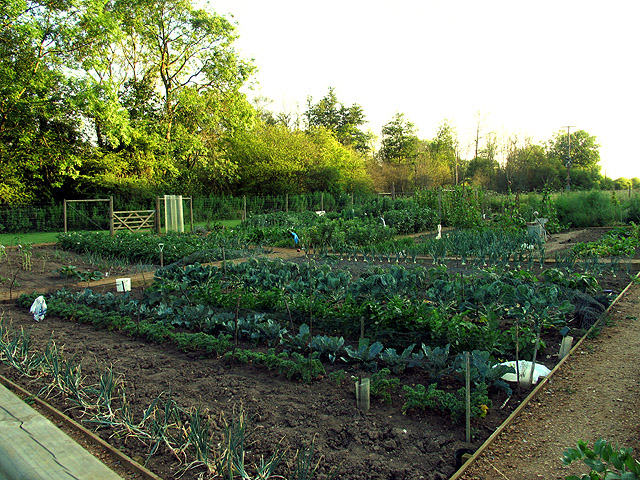 Were we to follow a full wartime cook’s strategy, particularly of the British kind, we might find ourselves knee deep in tins of spam, powdered eggs and very odd cuts of meat! I think the nostalgia trip we are on now calls for the timeless principles of the wartime cook rather than actual replication of what he or she did. Despite the fact that we are constantly being told that the world is regressing to poorer times, I think the media message is gloomy and inaccurate. Yes we are in a recession but to even attempt to compare ourselves to the hardships endured by ordinary people during wartime is an insult. Wouldn’t the wartime cook have loved a freezer? Wouldn’t the wartime cook have enjoyed freely available ingredients without rationing? Wouldn’t the wartime cook have enjoyed today’s cooking gadgets and ovens that have both reduced the effort and the time taken to cook meals? Wouldn’t the wartime cook have enjoyed the knowledge (recipes and skills) that is freely available to anyone who cares to find it these days?
While I very much enjoyed the foreword for the book by Jane Fearnley-Whittingstall, her assertion that “Above all, they were prepared to put the time in to get a good meal out” could be perceived as accusatory. Many people today would be happy to put the time in if they had it to spare. In this modern world it is a priceless commodity and many people with full time jobs, children to rear and houses to run find themselves constantly battling with the time issue as well as money. These days we sometimes have to trade one for the other. For example we often decide to pay a little more for a pre prepared cut ready for the oven rather than prepare it fully at home. They are today’s choices and they have to be made regularly and should be made guilt free.
The principles of wartime cookery though, coupled with all our modern advantages, certainly have the potential to help us during these tough times. One of the first things a wartime cook would have done was to shop sensibly and seasonally. Obviously things available out of season will have a premium price. Shopping sensibly is also quite easy today. If you have a freezer you can take advantage of special offers on meat. Wartime cooks also knew how to deal with cheaper cuts of meat. Usually in a quality butchers the cheaper cuts of meat are not inferior in taste but just require a particular cooking method which is usually a slow method. For example stews, pot roasts, shins and shanks are all wonderfully tasty but require several hours cooking time. Usually the preparation time is quite short and so these are great ‘make ahead’ dishes or maybe it is time to invest in a slow cooker. Wartime cooks avoided waste and so leftovers were always seen as ingredients for another dish or the making of a new meal. Even meat carcasses and bones were used to make stock and soups. Free fruit and vegetables were welcomed by the wartime cook. Bramble fruit such as blackberries would be turned into jam, crumbles and other sweet treats. An abundance of wild nettles made great soup and allotments that yielded carrots and other veg were always popular. It would have been the original GIY movement. Indeed even in Ireland during the Emergency parts of the Phoenix Park were given over to allotments. And finally one of the other notable differences between our wartime cousins and us is that they would rarely turn the oven on for just one dish. They knew that if the gas was on cooking one pot, as long as there was room, it could cook or heat two or make enough for several meals.
You don’t have to return to the old fashioned, labourious time intensive methods of the kitchen staff of Downton Abbey to save a few quid. All we need is some old fashioned common sense. Let’s capitalise on our freezers, the great offers from retailers, our time saving gadgets and our faster ovens. With a little bit of thought and forward planning I reckon we’d have the wartime cooks drawing big breaths of admiration for our money saving savvy without any compromise on taste.
At James Whelan Butchers we are acutely aware of the current financial climate and so each week we endeavour to help with a range of special offers. Drop by any time and we challenge you not to be amazed by the value and the quality that is attached to our name. I welcome your feedback to [email protected]
Tags: Avoca Irish Butcher, James Whelan Butchers, Jane Fearnley-Whittingstall, powdered eggs, rationing, shop sensibly & seasonally, spam, the emergency, Thrift in the kitchen, wartime cookery
Posted on Wednesday, November 25th, 2015 by Pat Whelan in Foodie Articles, Good Food | No Comments »
I’m on the brink of believing that someone or something has increased the speed at which time passes. Is it just me or are we all failing to get the same value out of a year that we once did? It seems like I took the children out picking blackberries on the cusp of autumn and when we got home we were deep into November and on the precipice of the Christmas rush.
Once it starts there is no coming back. From here on in, for me anyway, I will be like a downhill skier with little time to stop and take in the scenery until the end of the festive period. Why so early I hear you ask? Well this week, today in fact, we start our annual Christmas turkey and ham sale which has become almost as traditional as the fowl itself. What started out as a way to give my customers the same quality turkey for a discount in order to beat the downturn, has become a much anticipated annual event and heralds the start of the silly season. This year we’re just in time for Thanksgiving which is Thursday November 26th so Happy Thanksgiving to any readers from the USA.

While nobody likes to think of Christmas too early, have no doubt about it there are substantial savings to be made by getting in early. As long as you have access to a freezer you can have a very ‘financially’ happy and peaceful Christmas without anyone noticing that savings have been made. There is always a fear that saving on cost will compromise the quality but that need not be the case at all.
Everyone is keen to cut costs these days and there are many ways to do it. You can of course look for cheaper alternatives that just don’t taste the same, but in the long run this is bad for our mental health. Wanting one thing for the family feast and providing something of a lower standard will inevitably leave us feeling even poorer and more deprived than ever, increasing our focus on the recession and what we can no longer afford.
I realised this at the beginning of the downturn, almost four years ago now, and I immediately sought ways to achieve the same savings without compromising on quality or losing sales By thinking creatively the producer and I found a way that was a win win for all of us and particularly the customer. We found the solution in the freezer.
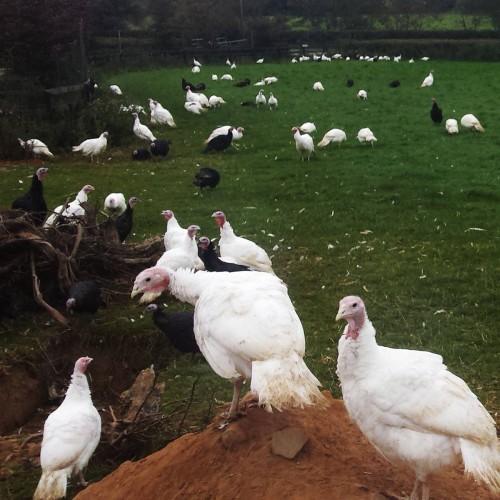 So here’s how it works. There is no doubt that artisan producers are up against it these days with labour and utility costs and, in order to produce the highest quality food, short shelf life offerings. With the festive season approaching this can be particularly difficult as increased demand inevitably leads to increased labour costs. There is the people/money/time triangle at work. You need at least two of these components for any venture to succeed. If you are short of money, but have enough people and time, you will get the orders out. However for artisan food producers at Christmas there is always an increased demand, creating a rush and therefore a time shortage. When time isn’t available the only route is to employ more people which hikes up the costs (money). It can be a perplexing situation.
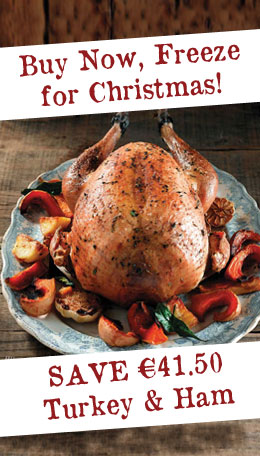
I realised that if we made a large early order for turkeys the producer didn’t have to employ extra staff, immediately reducing the cost at which we could purchase. This meant that we could pass on the discount directly to our customers. That’s exactly what we did the first year. We offered the same quality turkey and ham as the previous year at an incredible €41.50 discount! The customer then popped the turkey and ham into the freezer for the short time between the end of November and Christmas, which didn’t affect the quality in any way. The customer was buying early, avoiding the rush and making a substantial saving on the same quality local turkey that they had always enjoyed. It was a win, win situation for everyone and there was no compromise on excellence. By encouraging people to buy early we were also stimulating the market, still keeping it local and retaining a superior product.
Small producers need and deserve to be supported, but as consumers we need to get the best value for our euro in the current climate. However when you are shopping this festive season always keep in mind that the best value doesn’t always equate to the cheapest product. We are very fortunate in Tipperary to enjoy high quality, locally produced exclusive foods and I urge everyone to support them as best you can in the current climate. We all have a social responsibility to our locality and by pulling together we can escape the harsher casualties of this recession. The sale is for everyone. There are savings to be made and you’d be mad to miss out on them. If you have a freezer, then avail of the €41.50 discount (only available in our Clonmel shop or online) and get ahead. If nothing else, knowing that the turkey and ham are sitting in the freezer will make you feel that one of the major Christmas expenses is out of the way. This offer is only available until Black Friday (November 27th) in our Clonmel shop or available online.
We hope you enjoyed reading this post by Pat Whelan of James Whelan Butchers. Pat is a 5th generation butcher, cook book author and the director of James Whelan Butchers with shops in Clonmel, the Avoca Food Market Monkstown and Avoca Rathcoole. Sign up to our newsletter for more updates from James Whelan Butchers
Tags: Avoca Irish Butcher, Black Friday sale, Freeze for Christmas, James Whelan Butchers, Turkey and Ham Sale
Posted on Friday, November 20th, 2015 by Pat Whelan in Beef Dripping Recipes, Christmas Recipes, Recipes | No Comments »
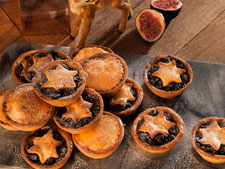 Beef dripping makes the best tasting pastry. Try it yourself with this great recipe for mince pies.
Mince Pies – Printer Friendly Download
Ingredients for pastry:
To Cook:
To make the pastry: Place butter, cold lard (beef dripping) and sugar in a food processor and blitz until combined add the egg and blitz for a further 30 secs. Add in the flour and pulse for a few secs until just combined, and just starts to come together, add a little water if the dough appears a little dry. Knead the dough gently on a floured surface into a disc and then wrap in cling film and refrigerate for 30 mins.
Ingredients – Makes 3.2kg (7lb) approx 8-9 pots
Suggested mince meat recipe: Myrtle Allen’s Ballymaloe Homemade Mince meat
- 2 cooking apples
- 2 organic lemons
- 900g (2lbs) Barbados sugar (soft, dark brown sugar)
- 450g (1lb) beef suet
- 450 (1lb) sultanas
- 224 (8oz) currants
- 110g (4oz) candied citrus peel
- 70ml (2.5fl oz) Irish whiskey
- 2 tbsp Seville orange marmalade
- pinch of salt
To Cook:
Preheat the oven to 180c/350f/gas mark 4
Core and bake whole apples in the preheated oven for 30 minutes approx. Allow to cool. When they are soft, remove the skin and pips and mash the flesh into a pulp.
Grate the rind from the lemons on the finest part of the stainless steel grater, squeeze out the juice and stir into the pulp. Grate the rind from the lemons on the finest part of a stainless steel grater, squeeze out the juice and stir into the pulp. Add the other ingredients one by one, and as they are added, mix everything thoroughly. Put into sterilized jars, cover and leave to mature for two weeks before using. This mincemeat will keep for two to three years in a cool, airy place.
Tags: Christmas Recipes, James Whelan Beef Dripping, mince pies, Myrtle Allen's mince meat
Posted on Thursday, November 19th, 2015 by Pat Whelan in Beef Dripping Recipes, Christmas Recipes, Pork Recipes, Recipes | No Comments »
 The beef dripping really gives these festive sausage rolls a delicious crunch.
Ingredients:
For the pastry:
For the filling:
- 450g free-range pork sausages
- 30g dried cranberries, chopped
- 1 orange, finely grated zest
- 6 sage leaves, finely chopped
- 1 egg, beaten
- 2 tsp fennel seeds
To Cook:
To make the pastry: Place butter and cold lard (beef dripping) in a food processor and blitz until combined add the egg and blitz for a further 30 secs. Add in the flour and pulse for a few secs until just combined, and just starts to come together, add a little water if the dough appears a little dry. Knead the dough gently on a floured surface into a disc and then wrap in cling film and refrigerate for 30 mins.
Preheat the oven to 220°C/gas 7. Divide the pastry in half lengthways, so you have 2 long pieces. Make a slit down the length of each sausage and remove their skins. Place the meat in a large mixing bowl with the cranberries, orange zest and sage and mix till well combined. Halve the mixture and, using slightly wet hands, gently form each into a long skinny sausage the same length as the pastry. Place a long sausage in the middle of one of the pastry pieces and brush one of its long edges with some of the egg. Roll into a long cylinder, making sure the pastry overlaps where it meets. Place seam-side down and use a sharp knife to cut into 6 rolls. Gently squeeze the cut ends of each to neaten them if necessary. Repeat with the other half. Transfer the rolls to a large, non-stick baking sheet. Brush with egg and sprinkle with the fennel seeds. Bake for 20 minutes or till cooked and golden brown. Allow to cool before packing.
Tags: Beef Dripping, Christmas Recipes, cranberry, James Whelan Butchers, pork, pork and cranberry sausage rolls, pork recipes, Sausage Rolls
Posted on Thursday, November 19th, 2015 by Pat Whelan in Beef Dripping Recipes, Recipes, Side Dishes | No Comments »
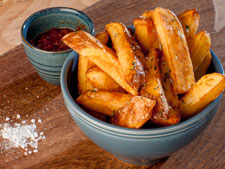 You can make chips in a saucepan, but a domestic deep fat fryer is not very expensive and makes the whole process much safer.
Triple Cooked Chips – Printer Friendly Download
Ingredients:
- 200 g Maris Piper potatoes
- Beef dripping (enough to half-fill your pan when melted)
To Cook:
Peel the potatoes and cut into chips: 1 cm thick for chunky chips; half that for skinny chips. Rinse well under cold water, then drain. Put the chips into a pan of cold salted water and bring to the boil.
Turn down the heat and simmer until the chips are just soft to the point of a knife. Drain, pat dry, spread out on a flat tray and allow to cool; then put in the fridge until cold.
Heat the fat to 120˚C and add the chips. Don’t overcrowd the pan. Blanch for about five minutes until cooked through but not coloured. Remove, drain, pat dry, spread out on kitchen paper on a flat tray, cool and refrigerate.
When you are ready to eat, heat the fat to 160˚C and add the chips. Cook until crisp and golden, then remove, drain, season and serve immediately.
Tags: Beef Dripping, James Whelan Butchers, maris piper potatoes, triple cooked chips
Posted on Wednesday, November 18th, 2015 by Pat Whelan in Beef Dripping Recipes, Recipes, Side Dishes | No Comments »
 These are in my humble opinion the best roast potatoes you will ever have. Try this recipe for you Christmas roast potatoes and you’ll be converted straight away.
Beef Drippin Roast Potatoes – Printer Friendly Download
Ingredients:
- Allow 2–3 floury potatoes per person
To Cook
Peel the potatoes and cut into roughly equal pieces. The more surface area there is, the more opportunity you have to create a crunchy exterior. Par boil the potatoes in a large saucepan of salted water for about 7 minutes, or until there starts to be a little ‘give’ on the surface when scraped with the tines of a fork. Drain and return to the saucepan, put the lid on and give it a good shake to roughen the potatoes’ surfaces a little. Put a few tablespoons of dripping into a roasting tin and place in the oven with the meat for about 10 minutes. Add the potatoes to the tin, turning to ensure that they are basted in the fat. Sprinkle with fine sea salt. Cook for about an hour or until crisp and golden. You can leave them in after the meat comes out of the oven and turn up the heat if you think they need it.
Tags: Beef Dripping, Beef Dripping Roast Potatoes, James Whelan Butchers, Roast Potatoes
Posted on Wednesday, November 18th, 2015 by Pat Whelan in Beef Dripping Recipes, Recipes, Side Dishes | No Comments »
 This recipe was kindly created for us by Avoca’s head chef Mark McGillicuddy who previously worked in Michelin-starred Mint restaurant in Ranelagh.
Sticky Roast Parsnips – Printer Friendly Download
Ingredients:
- 12 parsnips peeled and halved lengthwise
- 600g Chantennay carrots
- 3tbsp James Whelan beef dripping
- 2tbsp of Irish honey
- 2 tbsp of pomegranate molasses
- 2 tsp of coriander seeds crushed
- 4 red eating apples, cored and quartered
- 250g of Brussel sprouts, halved and blanched itn salted water for 2 mins, then chilled
To Cook:
Preheat an oven to 180c, add 1 tbsp of beef dripping to the roasting tray and add the parsnips and the carrots, mix the remaining melted dripping with the honey, pomegranate molasses and coriander seeds and seasoning and spoon over the vegetables, coat them in the mixture by turing them in it and then cook for a further 20 mins, then add the blanched sprouts and apples and cook for a further 20 mins until all the veg is browned glazed and tender.
Tags: Avoca head chef, Beef Dripping, Chantenay carrots, glazed sprouts and apples, James Whelan Butchers, Mark McGillycuddy, sticky roast parsnips
Posted on Wednesday, November 18th, 2015 by Pat Whelan in Beef Dripping Recipes, Recipes, Side Dishes | No Comments »
 Our beef dripping really elevates normal onion rings to the next level.
Beef Drippin Onion Rings – Printer Friendly Download
Ingredients:
To Cook:
Use a fork to steady your onion. Slice the onion into rings about 1cm wide. Remove the skin and separate the rings. Heat the beef dripping to 180C in a heavy-based pan – it should be no more than 1/ 3 full. Meanwhile put the flour and sparkling water in a bowl and season generously. Whisk together to form a batter. Coat a small batch of onion rings in batter. Carefully lower into the hot oil and deep-fry until crisp and golden, about 2 – 3 minutes. Remove with a slotted spoon and place on a piece of kitchen towel to drain. Repeat with the remaining onion and batter.
Tags: Beef Dripping, Beef Dripping Onion Rings, James Whelan Butchers, Onion Rings
Posted on Wednesday, November 18th, 2015 by Pat Whelan in Foodie Articles, Good Food | No Comments »

Love meat? Love people? You may be the person we’re looking for to join our team.
With a 50 year tradition in producing and retailing the finest meat, James Whelan Butchers is looking to recruit trainee butchers for our retail stores in Dublin. We believe in “nose to tail” butchery and have a “farm to fork” philosophy and as an artisan Butcher, we want our customers to enjoy cooking our meat as much as we enjoy breeding rearing & selling our finest produce to them.
We’re looking for happy, enthusiastic people with a great customer service ethos who want to learn butchery skills, both on our shop floor and through structured sponsored training with Fetac (Level 5 qualification). We need people with great interpersonal skills who want to commit to a career in butchery with one of Ireland ‘s best butchers .
Do you think you have what it takes? Please tell us all about yourself and why you want to join our award-winning team by emailing [email protected] by Friday 11th December 2015.
Find out more about what we do at https://www.jameswhelanbutchers.com/
Tags: Avoca Irish Butcher, butcher job, career in butchery, Dublin, James Whelan Butchers, Pat Whelan, trainee butcher
Posted on Wednesday, November 18th, 2015 by Pat Whelan in Foodie Articles, Good Food | No Comments »
November is hurtling by and the swirling, crunchy leaves that play with the wind outside my shop window seem to be an ever present reminder this week that it’s time for all those Christmas plans to swing into action. Perhaps there was a time when being organised was linked to frugality, but I think we’ve all come around to the wisdom that being organised saves us time, money and heartache in the long run. Gathering and planning for December in a calm and orderly manner is always to be desired over panic.
One of the greatest things about maturing is how quickly the materialistic dulls when placed beside the things of real value. Give me family and friends all gathered together in a warm house, enjoying food and company over expensive and exclusive gifts any day. The memories formed are treasures that will last a lifetime, long after goods have tarnished or broken down. All those charity shops, second hand stores and Cash for Clothes/Gold/Phone outlets that have mushroomed in every town in the country are full of ‘stuff’ that was once shiny, new and, no doubt, a dreamed of and lusted after ‘must have’ for someone. This Christmas make it about the people and the memories, and there’s no easier way to do that than with full bellies.
 At James Whelan Butchers we’ve created quite a few things to help out. Next week we have our “Black Friday” Turkey and Ham sale which is perfect for anyone with a freezer and more about that later. We have a great range of gifts from creative Beef Bonds to our Books, An Irish Butcher Shop & The Irish Beef Book, plus gift vouchers. These make great practical presents. They are talking points too and come really well presented and wrapped. We have plenty of great artisan sauces, chutneys and preserves that will not only add to your own store cupboard for a little creative leftover cooking over the festive season, but would make a lovely food gift. Over the coming weeks I’ll be explaining a little more about what we have to offer on the gift front, but this week it’s all about the plan. Stick with me and by the start of December you’ll be cruising to Christmas without a care in the world and well within budget.
There is no such thing as the definitive, one plan fits all. Planning is all about the individual. I use to think it was about a checklist and box ticking but everyone is different and so the plan has to work for you. There is one crucial rule though and that is, ‘Know Your Numbers!’ Money, people, time; once you have figures on these items everything else fits in around it. The numbers for your budget are first. Don’t go into debt for Christmas, it’s a madness and really quite unnecessary. You’ll be glad when January comes and trust me, it always comes! The second number is people. How many are you actually going to have for Christmas? Factor in a little margin for an unexpected one or two, but be realistic. How many of us are still looking at unopened boxes of biscuits and sweets in February? Avoid that costly mistake this year. And finally time is probably something we rarely consider properly. On the wintery November days we may fantasise that this December will be handmade from start to finish. We might aspire to the Nigella/Delia/Rachel way of creating everything from scratch, but we forget that this is all Nigella, Delia and Rachel do. It’s their job, profession and career. If you are holding down a full time or part time job or work full time in the home and don’t have a small army of house staff to help out, then doing everything yourself may not be feasible. Lack of time leads to the worst type of stress mainly because time is the one thing we just can’t make more of.
With the numbers sorted out one of the first savings you can make is on the turkey and ham. We started our Christmas Turkey and Ham Sale a number of years ago now as an experiment and we just haven’t stopped because it makes so much sense. It’s simply this; I use my regular Turkey supplier, but I get the bulk of our fresh Turkeys and Hams in November. This is great for the supplier as it is not during the big rush and so I get a better deal that I pass on to you. I can sell a fresh Turkey and Ham in November (to be frozen for the weeks in between) for €41.50 OFF the cost of the same Turkey and Ham in mid December! It’s a fantastic saving. The supplier also gets ahead with cash flow and orders and therefore everyone is winning. Our turkey and ham sale has become an anticipated date on the calendar for many of our customers as they know they are not compromising on quality or taste in order to save money. The only reason you wouldn’t want to avail of this great offer is if you didn’t have a freezer. The turkey and ham sale starts on Monday 25th November 2015 (only in our Clonmel shop) and is also available online now on our Christmas Hampers page for delivery on Black Friday (November 27th) only. Seriously, don’t miss out.
There is no need to fear the expense of Christmas this year. Just take a deep breath, plan ahead and keep your eyes on James Whelan Butchers as between now and December we’ll have some great offers both in store and online.
We hope you enjoyed reading this post by Pat Whelan of James Whelan Butchers. Pat is a 5th generation butcher, cook book author and the director of James Whelan Butchers with shops in Clonmel, the Avoca Food Market Monkstown and Avoca Rathcoole. Sign up to our newsletter for more updates from James Whelan Butchers
Tags: Avoca Irish Butcher, Black Friday, Christmas at James Whelan Butchers, Christmas gifts, James Whelan Butchers, Turkey and Ham Sale