James Whelan Butchers: Beef Bourguignon

Posted on Wednesday, September 18th, 2013 by Pat Whelan in Beef Recipes, Recipes | No Comments »

Beef Bourguignon

I can clearly remember the first time I enjoyed this classic dish. I was pleasantly surprised that it was so much more layered in taste than my expectation, which was that it was just a beef stew with a fancy name. I was wrong. The aromas that fill the house when it’s cooking stimulate the appetite every time.

Beef Bourguignon – Printer Friendly Download

Ingredients

  • 3 tablespoons olive oil
  • 175 g/6 oz streaky bacon, chopped
  • 1.5 kg/3 lb stewing steak, cut into 2.5 cm/1 inch cubes
  • 2 medium onions, peeled and finely sliced
  • 1 medium carrot, peeled and sliced
  • 1 bottle red wine
  • 2 cups of beef stock or 2 stock cubes in 2 cups water
  • 2 tablespoons tomato paste
  • Bouquet garni made from a bay leaf, a sprig of thyme, 2 parsley sprigs, 4 cloves of garlic and 2 cloves bundled together in cheesecloth and tied securely
  • salt and pepper
  • 18 shallots, peeled and kept whole
  • 500 g/1 lb small button mushrooms, cleaned
  • 3 tablespoons plain flour
  • 35 g/1 1⁄4 oz butter at room temperature
Serves 6

To Cook

The casserole can be cooked on the stove top or in the oven. If you are cooking it in the oven, preheat it to 180°C/350°F/gas mark 4. Heat the oil in a pan and fry the bacon until well browned. Remove to a heavy-based casserole. Add the beef to the very hot oil in the pan and brown all over quickly until well sealed and, using a slotted spoon, add to the bacon. Add a little more oil to the pan if necessary and add the onions and carrot. Cook until the onions are aromatic and add this mix to the casserole. Deglaze the pan with the wine and pour into the casserole with enough beef stock to cover the meat. Add the tomato paste, the bouquet garni and the salt and pepper and cover tightly. Simmer over a low heat on the stove top or bake in the oven for 2–3 hours until the meat is well cooked. With 30 minutes or so left to cook, add a little oil to a frying pan and brown the shallots all over, then remove from the pan. Add the mushrooms to cook for a few minutes. Remove the casserole from the heat. Place a sieve or colander over a saucepan and strain the casserole. mixture, discarding the vegetables and bouquet garni.

Return the meat to the saucepan with the strained liquid and add the shallots and mushrooms. To thicken the sauce, mix the flour and butter to a paste and, with the pan off the heat, gradually whisk through. Gently reheat, adjust the seasoning and serve with parsley sprinkled over the top.

We hope you enjoyed reading this post by Pat Whelan of James Whelan Butchers. Pat is a 5th generation butcher, cook book author and the director of  James Whelan Butchers with shops in Clonmel, the Avoca Handweavers Rathcoole and Kilmacanogue, Dunnes Stores Cornelscourt, Rathmines and Swords in Dublin. Sign up to our newsletter for more updates from James Whelan Butchers

James Whelan Butchers: Roast Rump with Garlic and Red Wine Gravy

Posted on Wednesday, September 18th, 2013 by Pat Whelan in Beef Recipes, Recipes | No Comments »

Roast Rump  with Garlic and Red Wine Gravy

Garlic is an ingredient that finds its way into many of my recipes. It is not that long ago that the notion of including a chopped clove of garlic in a dish would have seemed alien to most of us. This may seem a lot of garlic, but it really does add an extra dimension of taste and the red wine added to the gravy lifts it to a very special roast.

Roast Rump with Garlic and Red Wine Gravy – Printer Friendly Download

Ingredients

  •  2 kg/4 1⁄2 lb rump roast
  • 3 cloves of garlic, peeled peeled and cut into 6 long slivers
  • 1 tablespoon olive oil
  • salt and pepper
  • 1 medium onion, peeled and cut into quarters

Gravy

  • 1⁄4 cup red wine
  • 2 tablespoons plain flour

Serves 6

To Cook

Preheat the oven to 190°C/375°F/gas mark 5.

If there is time, remove the joint from the fridge at least 1 hour before cooking. When the meat is ready, make 6 small incisions on the top and place a sliver of garlic in each. Pour the oil on to the meat and massage it in withyour hands. Season with salt and pepper. Place the onion in the pan and position the meat on top, fatty side up, so that the fat melts and self-bastes the joint, creating the juices for the gravy. Place in the oven.

After 30 minutes or so reduce the temperature to 180°C/350°F/gas mark 4 and continue cooking for 11⁄2 hours or longer, depending on taste. Test by removingfrom the oven and checking the colour of the juices. For well done, the juices should be clear. When done to your liking, remove the meat from the oven and leave it to rest on a warmed plate for 15 minutes. It is worth remembering that meat will continue to cook while it is resting.

While the meat is resting, pour any excess fat from the pan and place the pan on top of the stove over a medium heat. Add a little water and the wine to deglaze the pan, incorporating all the browned bits from the cooked meat that may have lodged around the edges of the pan. Add the flour, a little at a time, stirring quickly to avoid lumps. When the flour looks like a paste, add additional water, depending on the thickness of the gravy required, and adjust the seasoning to taste.This is an easy joint to carve and can be sliced and placed on a platter with the gravy poured sparingly over the slices to present at the table.

We hope you enjoyed reading this post by Pat Whelan of James Whelan Butchers. Pat is a 5th generation butcher, cook book author and the director of  James Whelan Butchers with shops in Clonmel, the Avoca Handweavers Rathcoole and Kilmacanogue, Dunnes Stores Cornelscourt, Rathmines and Swords in Dublin. Sign up to our newsletter for more updates from James Whelan Butchers
James Whelan Butchers: Misplaced Worry

Posted on Wednesday, September 18th, 2013 by Pat Whelan in Foodie Articles | No Comments »

We worry far too much.  Even if there are no more hazards for humans today, we seem to believe the environment has become extremely dangerous.  With all our progress, life has become more deadly at every turn and we are constantly inventing things and ways to protect ourselves from ourselves.  Taking a cursory glance at the world of the parent and child the safety ‘stuff’ needed in this century is phenomenal.  (Now I’m not against safety, I’m merely making an observation.)

When I compare my childhood to that of my own children I’m blown away.  Believe it or not we had electricity when I was a child and yet I never remember those little plastic socket covers that are now part of every home.  I had a bike, but have to admit to never owning a cycling helmet!  Our home was devoid of window locks that today are used as much to keep kids in as they are to keep thieves out.  We spent summers outside on the farm, at the beach, playing in the fields and I never remember being slathered in sun screen and insect repellant before I left the house.  You only needed protection from the sun in foreign countries when I was a kid and you just had to put up with the bugs.  I could go on and on with a thousand more examples, but I will stop and get to the point.

Healthy Tortilla Wrap

What I’ve really noticed is that we effectively wrap our children in bubble wrap in order to protect them on the outside and, ironically, we take no responsibility for abusing their insides by feeding them overly processed, nutrient poor food!  There, I’ve said it.  While I’m obviously all for safety, we seem to have lost perspective.  The food we feed our children today is what creates a healthy adult in the future.  All the cycling helmets in the world won’t protect their little organs from too much salt and sugar.  You can have the best car seat in the kingdom, but it won’t ensure healthy bones or strong teeth.  While we could be arrested and fined for allowing them into a car without a seatbelt, I can feed them junk food every day with impunity.

I’m probably more aware of it this week with all the back to school people bustling around.  Breakfasts and the filling of lunchboxes are both back at the top of our agendas along with the angst ridden hot meal when the hungry little critters come in from school.  Kids themselves also have some adjusting to do.  In my house during the chaotic days of the summer, drinks and food were readily available all the time.  There were regular play breaks for a drink and a snack.   In the classroom they don’t have the luxury of running to the kitchen when the energy levels dip.

So how can we ensure that our children are eating healthy food?  Alas, the only way you can truly know what is in your food is to cook it yourself, at least most of the time.  Now there is this great myth that cooking is a gift rather than a skill you can learn and cooking from scratch is time consuming.   It needn’t be that way at all.  Get some balance and keep it simple.  This is family food, no one is asking you to become an award winning chef and do something creative with black squid ink and a durian fruit.

Beef & Vegetable Casserole

Just get back to basics.  We need to feed our families with nutritious and healthy food and do it everyday on a budget.  Have a system.  Plan the weekly meals; look for great offers, buy fresh produce and freeze excess if necessary and try to eat in season.  Remember that inexpensive cuts of meat taste just as good as long as they are cooked properly.  While much of this is about planning in advance, of course life happens, and so it is also good to have a few fast but nutritious meals in your repertoire.  Indeed sometimes fastcooking is about assembly rather than lots of cooking.  Take a home made burger for example.  Run them up the night before and cooking them the next day is a breeze.  Load them up with onions, grated cheese and bacon bits in a bun and you have a delicious meal that looks like a major treat.  Shop bought flour tortillas are a great addition to the store cupboard for quick and handy Irish take on a Mexican quesadilla or wrap when the kids come in from school.   Rather than buying chicken goujons, nuggets or fish fingers you will be amazed at how easy it is to make your own.  I agree it is a little messy with the flour and egg and breadcrumb routine, but getting your fingers a little dirty is hardly difficult.

Try honing your skills with the more traditional meals such as cottage pies, stews and casseroles.  These are great one pot meals that will feed an army.  They have stood the test of time and there are plenty of recipes out there with little twists on a favourite to kick it up a level or two in the taste department.  And finally I would say to you use your local green grocer, butcher and fish monger.  Each is expert in their field.  They’ll advise on how best to cook and work with certain foods and, in many cases, they will also take a great deal of the preparation out of it.  For example, take burgers, most craft butchers prepare them from scratch on site.  If you haven’t visited a butcher recently I encourage you to take another look and you’re always welcome at James Whelan Butchers in Oakville Shopping Centre.  For the rest of this school year let’s protect our insides as much as we do our outsides.  You know it makes sense.

This post was written by me, Pat Whelan, owner of James Whelan Butchers and a passionate advocate of local artisan food. My family have been producing quality Irish Angus beef for generations using a traditional dry aging process. This tradition is one that I continue to practice at our abattoir on our family farm in Garrentemple, Clonmel. These posts aim to impart some of the wisdom to readers and help them get the best out of the meat they eat! Our meat is available online here! I welcome your feedback to [email protected]

We hope you enjoyed reading this post by Pat Whelan of James Whelan Butchers. Pat is a 5th generation butcher, cook book author and the director of  James Whelan Butchers with shops in Clonmel, the Avoca Handweavers Rathcoole and Kilmacanogue, Dunnes Stores Cornelscourt, Rathmines and Swords in Dublin. Sign up to our newsletter for more updates from James Whelan Butchers

James Whelan Butchers: Irish Times ‘Best Butcher in Ireland”

Posted on Wednesday, September 11th, 2013 by Pat Whelan in Good Food, Press | No Comments »

“Behind a contemporary glass wall stand three lectern-like butcher’s blocks. This is where James Whelan Butchers’ in-house experts take to their spotlit “stage” much like performers in a play.
It is the theatrical cut and thrust of boning a carcass that is part of the butchers’ unique selling point in Avoca on Dublin’s Monkstown Crescent. At the weekend “whole families stand watching our butchers work their blocks,” explains manager Ernie Kenny. “It’s something you don’t get in a supermarket.” This modern approach to an age-old business also prompts questions from their customers – something the store relishes.

This butcher shop’s competitive advantage is that it has its own farm in Clonmel, Co Tipperary where it runs its own herd.
“This offers a continuity of standards. We can trace everything.

People respond to that,” Kenny says. Pat Whelan, the owner, also has a shop in Clonmel.
What do customers want? “They really want you to explain how each cut should be cooked. For example, you will get a more intense flavour from your Bolognese sauce if you use minced beef shin instead of round steak.”
Like every other business, they have their regulars: “Customers that you can tell the time by, that come in to us at the same hour every day,” Kenny explains. As well as human customers, they cater for their canine regulars too and “try to match the bone to the dog”, also keeping bones for those training guide dogs.
The shop is two years in business this month and employs eight people including three trainees. One of these is their first female butcher, Orla Ryan.”

Written by Alanna Gallagher of the Irish Times

James Whelan Butchers, Avoca, Monkstown Crescent, Co Dublin,
tel: 01-6638924 Web: jameswhelanbutchers.com. Irish Times Best Butcher

We hope you enjoyed reading this post by Pat Whelan of James Whelan Butchers. Pat is a 5th generation butcher, cook book author and the director of  James Whelan Butchers with shops in Clonmel, the Avoca Handweavers Rathcoole and Kilmacanogue, Dunnes Stores Cornelscourt, Rathmines and Swords in Dublin. Sign up to our newsletter for more updates from James Whelan Butchers

James Whelan Butchers: Celebrate the Tomato

Posted on Tuesday, August 20th, 2013 by Pat Whelan in Foodie Articles, Good Food | No Comments »

I was a little disturbed recently to read of all the various tomato shortages around the world.  They are not necessarily linked, but apparently the US is suffering quite badly, the Argentines have just this month been asked as a nation to ‘go easy’ on tomatoes for a while so the crops can catch up and a British supermarket chain recently announced a shortage in their tomato supply as their grower in Spain had been affected by disease.  (The crop of tomatoes was affected by disease that is, not the actual grower!)

It threw me into a personal state of unease, sitting there pondering my kitchen without the staple ancient ‘wolf peach’.  Before it became known as the friendly tomato (or ta-may-toh if you are American) it was thought to be poisonous and dangerous hence the slightly sinister moniker, wolf peach.  The tomato has a long history on the planet, but up until the 16th century it was considered pretty and ornamental but likely poisonous.   Once it was discovered that they were harmless, edible and tasty, it wasn’t long before the French elevated them from the nasty wolf peach to ‘pommes d’amour’ (translated as love apples), because not only were they good enough to eat but they also believed that the shiny red fruit had stimulating aphrodisiacal properties!

roasted tomatoes

The first commercial tin of tomato soup was made by Joseph Campbell in 1897 and it made him a very wealthy man in the process.  And by the end of the 19th century the tomato, because of its high acidic content, was canned more than any other fruit or vegetable.  Fresh or in a tin, the tomato is a cooks’ favourite these days and few kitchen store cupboards will be found without them.

There is no other vegetable or fruit more widely used and consumed than the tomato.  Even those who don’t like fresh tomatoes, will often enjoy them in pizza, as ketchup or even sun dried and everyway in between.  The variety of tomatoes available today also creates choice and a myriad of applications.  For salads I love tomatoes on the vine.  I also love a juicy beef tomato paired with slices of buffalo mozzarella and sprinkled with fresh basil.  I use fresh cherry tomatoes in a base for a favourite curry I make that originally called for two plain ordinary garden variety types, but I found that eight or so little ones gave a better and sweeter depth of flavour.  Many pasta sauces have the trusty chopped and tinned type as a major ingredient and where would many recipes be without the odd spoonful of tomato puree?  Added to all this flavour and flexibility, tomatoes are also the dieter’s friend.  They are nutrient rich, high in water content and low calorie; so what’s not to like?

Here are my top tomato tips:

  • A chef taught me a long time ago to use a serrated knife to cut through tomatoes rather than a flat edged blade.  Unless the blade is very sharp you are in danger of squashing and damaging the tomato flesh when you cut into it.
  • Tomatoes are high in acid and so when cooking tomatoes or using them in a sauce it is best to use a wooden spoon or spatula rather than a metal one which can affect the taste unfavourably.
  • Herbs work well with tomatoes, particularly basil, oregano, pepper, chives and parsley.
  • Tomatoes also work with garlic, sesame seeds, celery and carrot.

If you are making something where the tomato is the star of the show and the recipe calls for fresh it really is worth seeking out the best quality tomato you can find.  If you are not growing your own I do caution against the plain, value range in most supermarkets.  Unless you are sure of the origin some of them have proved to be quite tasteless in my own experience.  You should be able to pick them up and have a little sniff.  This can be tricky if they are covered in a plastic wrapper.  A good tomato should have an inviting scent – almost summery – if there is such a thing.  A good quality tomato will make a huge difference to taste and texture of the overall dish.

Tomatoes

I’m in the fortunate position to have a friend who grows tomatoes so I am regularly in receipt of a glut.  I haven’t attempted the idea of canning my own, but if I have an over abundance I will chop them up, sprinkle them with fresh herbs and some olive oil and slowly roast them until they are quite soft.  I usually put them in around 130° for about 90 minutes or so.  Once they are finished I drizzle with a little balsamic vinegar and leave them to cool.  Whey they are fully cooled, unless I’m planning to do something with them straight away, I store them in a jar in the fridge where they will keep for up to three days.  During those three days they are used as toppings for pizza and pasta.  I might stir some into couscous with some nuts and seeds.  They also come in handy as a little topping on a cooked breast of chicken with some bacon and cheese and then grill the lot and finally, if there are any left, they make a lovely little side for a cooked breakfast.

While tomatoes work equally well with beef, chicken, bacon and many varieties of fish from tuna to plaice, they are also the vegetarian and vegans friend.  It’s hard to think of anything more versatile and the shortages are a concern.  Maybe it’s time we all learned to ‘can’ and preserve like our US friends or at least let’s start growing our own, just in case.

This post was written by me, Pat Whelan, owner of James Whelan Butchers and a passionate advocate of local artisan food. My family have been producing quality Irish Angus beef for generations using a traditional dry aging process. This tradition is one that I continue to practice at our abattoir on our family farm in Garrentemple, Clonmel. These posts aim to impart some of the wisdom to readers and help them get the best out of the meat they eat! Our meat is available online here! I welcome your feedback to [email protected]

We hope you enjoyed reading this post by Pat Whelan of James Whelan Butchers. Pat is a 5th generation butcher, cook book author and the director of  James Whelan Butchers with shops in Clonmel, the Avoca Handweavers Rathcoole and Kilmacanogue, Dunnes Stores Cornelscourt, Rathmines and Swords in Dublin. Sign up to our newsletter for more updates from James Whelan Butchers

James Whelan Butchers: Spanish Evening

Posted on Wednesday, August 14th, 2013 by Pat Whelan in Foodie Articles, Good Food | No Comments »

If I had a euro for every time a customer in the shop described the last few weeks as just like “being in Spain”, I’d have enough for a flight there myself.   It did indeed feel like the Mediterranean for several days and apparently, the forecasters would have us believe, it’s not over yet.  In order to cope with the warmer weather it’s important that we shift slightly in how we live.  We generally don’t have the clothes, the homes or the lifestyles for such prolonged glorious sunshine but we can make small adjustments that will make it easier.  Particularly when it comes to food we need only look to our Spanish neighbours for some handy tips and hints.

parma hamCountries like Spain that traditionally enjoy high summer temperatures are expert in charcuterie; the art of cured meats.  Cured meats in Spain form the basis of traditional tapas.  Tapas are the small plates of bites that you are often served with a drink in bars when abroad.  You can order a larger portion as a main and generally they arrive on a big plate where the custom is that everyone digs in by selecting what they want onto smaller personal platters.  If you are having tapas as your main meal it is usually served with bread or a large bowl of salad.  We had our own Irish take on this back in the 70s with the ‘cold meat salad’.  I remember the slices of cold beef, ham and or luncheon with potato salad and the ubiquitous sliced tomato!  Today we have much greater choice at our deli counters and a cold meat supper can be very tasty.  If you’re watching the calories, though, don’t get caught out on the mayonnaise rich pasta, rice or potato salad, particularly the shop bought ones.

Deep fried fish and calamari, rings of squid, are also very popular in sunnier climes, particularly coastal areas.  Luscious king prawns are often served on a skewer and drenched in garlic and chilli.  Gazpacho is a summertime chilled soup that is eaten like a soup or sometimes served as a beverage to go with the fried fish.  Potatoes in Spain are usually fried in olive oil and eggs are hugely popular.  Funnily enough boiled eggs never took off like they did here.  In Spain particularly eggs are usually fried or made into an omelette, known as a tortilla.  A traditional Spanish omelette will have potatoes and onions and is often served cold.  Ham is a delicacy in Spain and very different to what we know as ham.  In certain areas it would be similar to Parma Ham.  The experts tell me that Spanish ham, ideally, should be more on the sweet side rather than the salty.  Chorizo sausage, which can be quite spicy depending on the region, is also popular and will come on many tapas plates as will the Spanish version of salami which is very similar, although a little drier, than its Italian cousin.

When it comes to beef it is considered a luxury in certain parts of Spain and is often found as rather thin beef steak fried in olive oil.  Indeed if you have ever been to Spain you may have noticed that beef is often called veal on the menus; not at all what we in Ireland would consider true veal.

chorizo sausage

The other interesting thing about Spanish households is that they tend to make their own mayonnaise from scratch, which is great with leftover cold chicken.  Believe me it tastes so much better than shop bought, but you do need to use an electric blender.  If you have one you’ll be surprised at how quick and easy it is.  At one time all Spanish restaurants made their own mayonnaise but unfortunately health and safety rules have almost outlawed this completely for fear of a Salmonella outbreak.  To make mayonnaise you must use eggs at room temperature.  This is necessary to emulsify with the oil.  Given the heat in a Spanish summer it would be very easy for a restaurant to get this wrong and for the eggs to overheat and spoil.

However the dish most synonymous with Spain would have to be Paella.  It is a fantastic one pot with a rice base that is rich in flavour, colour and texture.

Fortunately almost everything they have in Spain is now readily available here.  On any given evening we can transport ourselves to the Med, in a culinary fashion, if nothing else.  To make it easy and authentic I would suggest a mixture of hot and cold foods, the cold being easy to prepare in advance.  A nice Spanish omelette made early in the day with potatoes and onions can be cut into wedges and is lovely on a warm evening with some salad and warm crusty bread.  Plates of cured meats are easy to arrange and little trays of olives are really just about unscrewing a jar!  One thing that’s not so popular in Spain is butter.  You’ll find that bread is dipped in olive oil rather than spread with anything.

For a true taste of Spain though, it would be hard to beat paella.  It’s not the most difficult dish to cook but it can be a little pricey as it uses saffron (the most expensive spice in the world, but available in most supermarkets) and prawns.  If you can get fresh ones still in the shell then that will just add to the overall look of the dish.  If you get it right though, it is a very tasty dish that is well worth having in your summer repertoire.

This post was written by me, Pat Whelan, owner of James Whelan Butchers and a passionate advocate of local artisan food. My family have been producing quality Irish Angus beef for generations using a traditional dry aging process. This tradition is one that I continue to practice at our abattoir on our family farm in Garrentemple, Clonmel. These posts aim to impart some of the wisdom to readers and help them get the best out of the meat they eat! Our meat is available online here! I welcome your feedback to [email protected]

We hope you enjoyed reading this post by Pat Whelan of James Whelan Butchers. Pat is a 5th generation butcher, cook book author and the director of  James Whelan Butchers with shops in Clonmel, the Avoca Handweavers Rathcoole and Kilmacanogue, Dunnes Stores Cornelscourt, Rathmines and Swords in Dublin. Sign up to our newsletter for more updates from James Whelan Butchers
Job opportunity for a Product Manager at James Whelan Butchers

Posted on Monday, July 29th, 2013 by Pat Whelan in Foodie Articles | No Comments »

Product Manager

James Whelan Butchers is an established retail butcher brand with shops in Clonmel and Avoca, Monkstown – www.jameswhelanbutchers.com.  We are currently looking to recruit a driven Product Manager with a food background and a can do attitude. Career building opportunity for a fully qualified chef with a proven trade record in NPD and NPI. The successful candidate will report directly to the Managing Director and will work cross functionally with both marketing & sales to boost the product portfolio. This role is best suited to an avid food lover who has experience developing concepts and new products.


Key Responsibilities:

  • Develop and implement a business plan and marketing strategy for the product category
  • Develop concepts and new products to drive consumer and customer traffic
  • Innovation and renovation of existing products
  • Work closely with the internal activation team on communications/packaging/POS
  • To monitor product performance and take appropriate action
  • To develop key opinions to optimise current and future sales
  • To identify and develop new market opportunities

Requirements:

  • 3-5 years Product Management experience within FMCG
  • Proven track record developing concepts and products
  • Food background is essential preferably with hands on retail experience
  • Experience managing a deli would be an advantage

Click here to apply or  email us  at [email protected]


James Whelan Butchers: Check out Ireland’s Best Butcher at Avoca Monkstown

Posted on Thursday, July 25th, 2013 by Pat Whelan in Press | No Comments »

James Whelan Butchers at Avoca Monkstown, Co. Dublin scooped the Best Meat award at prestigious Checkout Best in Fresh Awards held at The Four Seasons Hotel recently. The Best in Fresh Awards were established to recognise stores and outlets with the freshest food offering in Ireland and is the only annual event to honour best practice in the sale of fresh produce.

Checkout Best in Fresh Meat Award 2013

The Best in Fresh ‘Best Meat’ award looks at Fresh Food Stores, large and small, the length and breath of the country, but only one can take first place.  This year James Whelan Butchers at Avoca Monkstown romped home to claim the prize.   The judges said, “The James Whelan Butchers at Avoca Monkstown is leading the way in terms of creating butchery into an art form. It’s all about the cut, with everything prepared right in front of you behind glass walls. The added-value is exceptional.”

James Whelan Butchers opened at Avoca, Monkstown in December 2011.  In what was considered a bold move, the butcher’s secrets were literally exposed in a glass walled meat emporium with absolutely everything on display.  Merging craft, skill, passion and food with fresh and innovative shop design, buying meat is a visually stimulating experience at James Whelan Butchers in Avoca Monkstown.

Pat Whelan, of James Whelan Butchers said, “We are very honoured by this award, particularly as we have been judged against our peers in a rigourous audit that uses a long list of criteria in order to choose a winner.  I am very proud of our partnership with Avoca as we share the same ethos and vision when it comes to excellence in fresh food and retail. We are delighted that this has been recognised with this award.

We hope you enjoyed reading this post by Pat Whelan of James Whelan Butchers. Pat is a 5th generation butcher, cook book author and the director of  James Whelan Butchers with shops in Clonmel, the Avoca Handweavers Rathcoole and Kilmacanogue, Dunnes Stores Cornelscourt, Rathmines and Swords in Dublin. Sign up to our newsletter for more updates from James Whelan Butchers

James Whelan Butchers: Mozzarella Cheese

Posted on Friday, July 19th, 2013 by Pat Whelan in Foodie Articles | No Comments »

I’ve recently been enjoying the joys of mozzarella cheese again, as I tend to do every summer.  This light, mild white cheese is a great warm weather staple for the fridge.  A few tomatoes, some mozzarella and a little basil can create the most wonderful salad that goes really well with chicken or steak.  Slice it and melt it on a wonderful homemade pizza, stuff a homemade burger with a lump for a meltingly gorgeous surprise once cooked or chop it into squares and use it as part of an interesting tower of topping with a little chutney, for a chicken breast.    Mozzarella cheese is great hot or cold and there’s always have a ball or two lounging in the fridge at this time of year, ready to whip out the moment the sun shines.

As with all things of Mediterranean origin, I do find that the better quality mozzarella inevitably tastes better.  I would also caution that if you are buying the ‘low fat’ or ‘half fat’ versions you are simply wasting your time.  I know, the calorie conscious among you want to take me out and whip me mercilessly for such blatant blasphemy of the fat fighters’ low fat mantra, but someone has to stand up and say it as it is.   Yes, you are getting all the texture of real mozzarella in these pretenders but, sadly, the flavour and taste, in my humble opinion, is completely lost.  Really, what is the point of eating something that just doesn’t cut it when it comes to taste?  Nothing would give me greater pleasure than to encourage you to save a few calories on the lower fat versions, but from my own experience and in honour of my conscience and taste buds I just can’t.  Now I will add a little caveat in that I have tried ‘many’ but not necessarily ‘all’ the low fat mozzarella cheese varieties on the market, so if you do come across one that has a great taste let me know and I’ll be happy to put it to the taste test.

In the meantime I personally like traditional mozzarella when I can get my hands on it.  Real mozzarella is made from water buffalo milk and is about three times more expensive than cows’ milk.  With a lot of mozzarella now being made with cows’ milk this will account for the wild variance in the price of different brands all of the same size and weight.   Make sure you read the label properly.  I have enjoyed some excellent cows’ milk mozzarellas which are more easily available, but if I can get my hands on the water buffalo variety I would always prefer it.   Water buffalo are only herded in a few countries, mainly Italy and Bulgaria, and that would also account for the high cost as it has to be imported.

Mozzarella cheese is unusual in that it is never aged and, unlike most of its cousins, it is actually at its best when eaten within hours of making it.  It is a malleable curd cheese that has no rind and that’s why it is packed in little sealed bags surrounded by water.  Obviously it is far too soft to grate but you can slice it very thinly should you need to.

As a mozzarella fan I was delighted to read that a recent study in an illustrious medical journal laid out even further evidence that the so called Mediterranean diet cuts the risk of heart disease to an even higher degree than previously believed.   Foods cited were mozzarella cheese, basil, tomatoes, olive oil, walnuts and almonds.  Of course the study was quick to point out that the Mediterranean diet isn’t low fat.  In fact, it’s a moderate to high-fat diet, but the fats involved are healthy natural fats that tend to make us feel fuller for longer.  One doctor pointed out the fact that with ‘low fat’ varieties of foods we tend to eat more of them and often inadvertently over eat.  Without exercise and portion control when it comes to what you eat you won’t necessarily lose weight by eating in a Mediterranean way, but it’s the all round health benefits that we are after.

I’ve recently become quite partial to grilled or fried aubergines.  There was a time when you had to mess around and salt aubergines but for it doesn’t seem to be necessary any more.  Just slice them up, season them, add a little olive oil and lightly grill or fry.  Indeed aubergine and cheese is the basis for the Greek dish, moussaka.  What I’ve been doing recently is adding a little slice of mozzarella, sandwiched between two lightly fried slices of aubergine.  This is an easy, but tasty, rich and luscious side for a number of dishes.  Mozzarella cheese is a great summer ingredient and no fridge should be without a ball this July.

This post was written by me, Pat Whelan, owner of James Whelan Butchers and a passionate advocate of local artisan food. My family have been producing quality Irish Angus beef for generations using a traditional dry aging process. This tradition is one that I continue to practice at our abattoir on our family farm in Garrentemple, Clonmel. These posts aim to impart some of the wisdom to readers and help them get the best out of the meat they eat! Our meat is available online here! I welcome your feedback to [email protected]

We hope you enjoyed reading this post by Pat Whelan of James Whelan Butchers. Pat is a 5th generation butcher, cook book author and the director of  James Whelan Butchers with shops in Clonmel, the Avoca Handweavers Rathcoole and Kilmacanogue, Dunnes Stores Cornelscourt, Rathmines and Swords in Dublin. Sign up to our newsletter for more updates from James Whelan Butchers

James Whelan Butchers: The Magic (One) Pot

Posted on Monday, July 15th, 2013 by Pat Whelan in Foodie Articles | No Comments »

When the summer is hot the cooking should be easy.  Particularly if you have school going children, the summer is also about relaxing the routines and settling in to a looser and more informal lifestyle for a few weeks.  While some people have the luxury of blending seamlessly into the summer regime, for others who work outside the home, rather than being more relaxed and unstructured, it becomes chaotic and exhausting.  The lack of routine can throw people off and thinking of new meals on top of all the other life stress can be the straw that breaks the overworked camel’s sweaty back.

Summer is a time to celebrate an abundance of fresh ingredients.  If you do grow your own I have no doubt that sitting in the garden these days amongst the herbs and the vegetables is pure joy to the olfactory senses as the those wonderful wafting fresh scents perfume the air.  Let’s be honest, this is not a time to be slaving over a hot stove in the kitchen.  If you have been working indoors all day, the last thing you want to do on a sunny summer’s evening is confine yourself to a kitchen.

The summer one pot is the answer on the days that you don’t want to fire up the barbeque.  We tend to think of ‘one pot dishes’ as the preserve of colder months; those hearty beef stews and warming chicken casseroles tend to dominate when we consider using Dutch ovens or slow cookers.  Both of these tools can still be put to good use in the summer.  Indeed it’s certainly worth mentioning that slow cookers are great in the summer as those long hours of slow cooking at lower temperatures tend not to overheat the kitchen.

So let’s talk slow cookers first.  If you have one then let it help you to enjoy more of the good weather.  Naturally slow cookers call for a little more forward planning, but the effort expended in advance, buys you precious time in the garden or with the family on bright evenings.  You can also prepare several meals ahead, without cooking and freeze them ready to dump into the slow cooker before you go to work.  When you arrive home eight hours later, the dinner is magically ready.  A lovely customer at James Whelan Butchers, who is originally from the US, gave me this idea of preparing meals and freezing them in Ziploc bags ahead of cooking.  Apparently it is very common in the States to prepare a month’s worth of uncooked meals in one afternoon and lob them into the freezer.  Effectively all you are really doing is chopping and bagging; the cooking is done later.  If you are this organised it means you can take full advantage of special offers when they come up.  I was intrigued by the suggestion and had a root around the web and to my amazement found that it is indeed a common practice.  Although extreme in my mind, there was one blog entry where a lady claimed to have prepared 40 ‘crock pot freezer meals’ and cleaned the entire kitchen in just four hours!  I instantly looked for the Superwoman logo, but there wasn’t one.  Google it the next time you are online and just wait for the acres of ideas and information that pops up.

If you don’t have a slow cooker, there are plenty of fast and slow one pots out there for the summer.  If you think about it curries originated in a particularly hot climate and all they really are is an Asian one pot.  The same would have to be said of the popularity of tagines in North Africa; effectively a local one pot from another hot climate.  Or how about a Spanish paella; rice, meat, seafood and vegetables with saffron all cooked together in one great big pan.

I love to do my own version of a Spanish rice and seafood dish.  I simply fry chopped onions, a red and green pepper, some chorizo sausage and two or three crushed garlic cloves in a little olive oil for a few minutes.  I then add about 250 grams of uncooked rice, a tin of chopped tomatoes and a pint of boiling water from the kettle, cover it and allow it to cook until the rice is almost done.  I then stir in my prawns and add some fresh herbs or spices and allow the rice to finish cooking and everything to heat through.  You can really make this dish your own by adding various things herbs and spices into the mix.  The best thing is bringing the entire pan to the table and allowing everyone to dig in.

For a Moroccan inspired chicken dish heat about 2 tablespoons of olive oil in a large pan and fry chopped chicken breast or chopped chicken thighs.  Add a chopped onion and grated fresh ginger and allow it all to cook for 2 minutes.  Then add 150 mls of cold water, a pinch of saffron, a pinch of turmeric, a tablespoon of honey and some sliced carrots.  Put a lid on the pot and allow the dish to simmer for about 30 minutes.  At the end of the cooking remove the lid and increase the heat for about 5 minutes just to allow the sauce to reduce and thicken.  You could serve this with cous cous, rice or some new potatoes if you wanted to.

Don’t confine your cast iron pots to the back of the cupboard for the summer.  Dig them out and let them help you enjoy the supposedly lazy summer days while keeping the family fed on good, wholesome, home cooked food.

This post was written by me, Pat Whelan, owner of James Whelan Butchers and a passionate advocate of local artisan food. My family have been producing quality Irish Angus beef for generations using a traditional dry aging process. This tradition is one that I continue to practice at our abattoir on our family farm in Garrentemple, Clonmel. These posts aim to impart some of the wisdom to readers and help them get the best out of the meat they eat! Our meat is available online here! I welcome your feedback to [email protected]

We hope you enjoyed reading this post by Pat Whelan of James Whelan Butchers. Pat is a 5th generation butcher, cook book author and the director of  James Whelan Butchers with shops in Clonmel, the Avoca Handweavers Rathcoole and Kilmacanogue, Dunnes Stores Cornelscourt, Rathmines and Swords in Dublin. Sign up to our newsletter for more updates from James Whelan Butchers

James Whelan Butchers: The Art of Salad

Posted on Friday, July 12th, 2013 by Pat Whelan in Foodie Articles | No Comments »

I think it’s safe to say that current generations growing up in Ireland will undoubtedly have a much more sophisticated palate than those of us in the vicinity of the half century mark.    What we have had to work hard at in order to re-educate our taste buds, they take very much for granted.  I know four year olds who call from the table for someone to “bring the balsamic”.  I know a three year old who is barely out of nappies and yet insists on using the micro plane unassisted in order to grate parmesan cheese over her pasta.  In school they are learning about healthy snacks, thank God, and the range of fruit available to them is no longer limited to a dry red apple.  Oh the red apple, that in my day, was put in the lunchbox but only ever eaten in desperation.   It rattled around with the flask the entire journey home only to stay on board again, a tad bruised, for the following day’s lunch.  They will also grow up with a knowledge and love of summer fruit and vegetables and will not be the salad dodgers that many of my contemporaries are.

Vine Tomatoes

It’s not surprising that the prospect of ‘salad’ doesn’t really ignite the fireworks in the average Irish adult’s mind.  We were led to believe that a head of iceberg lettuce, a regular tomato and onion slices, smothered in dodgy vinaigrette was the pinnacle of summer eating.   There was often the added bonus of a mayonnaise drenched bowl of shredded carrot that was audaciously offered as ‘coleslaw’!  Who were we kidding?  But we ate it and decided it had summer written all over it.

Today we are faced with a wonderful myriad of greens from peppery rockets to something with a little more bite like Romaine.  Even iceberg lettuce can still be a star in the company of the right things and recently I’ve revisited simple home grown garden lettuce, which is moist and soft and very flavoursome.  I love to throw in spinach leaves, lambs lettuce and often will chop in handfuls of fresh coriander, chives, basil or mint from the garden.  My bowls of green goodness are good without a dressing or even another ingredient being added.

My main salad inspiration comes from France.  The French know how to do it. By observing what they do, I have been inspired to create some pretty good ‘Chez Whelan’ signature salads of my own.  The first rule of the French salad is excellent ingredients.  This is the first rule of food in any language if you ask me.

Get the vinaigrette dressing right; take time to experiment and perfect it.  The simplest contains olive oil (the good stuff I’m afraid!), wine vinegar, salt and pepper all whisked together.  You want the overall dressing to

Warm Chicken Salad with Cashew Nut and Mango Dressing

be pleasantly tart but the flavour of the oil must still come through.  ‘Dressing’ a salad is also something to be considered.  Let’s start with the verb; it’s ‘to dress’ not ‘to drown’.  Think of the salad as you on a hot summers’ day.  You want enough ‘dressing’ so people can see you are dressed and you are not totally naked, but you want those clothes to be light, complimentary to your frame, enabling you to breathe and leaving plenty of bits open to the air.  Dress your salad by all means, just don’t drown it.

Once you have mastered a basic vinaigrette (of course you can buy it in a bottle but that’s no fun), then you can start experimenting with other oils and ingredients.  Use a rapeseed oil instead of olive oil.  Add some mustard perhaps and or some very finely chopped garlic or a maybe a shallot.  If the dressing is becoming too muddy and thick, add a tablespoon or two of warm water to loosen it out again.  Don’t forget your seasoning and taste continuously as you mix.

A salad should have ingredients you enjoy, it’s personal.  I love a green salad with crunchy celery, cucumber and lardons and a drizzle of dressing.   The lardons give it that salty punch that makes it taste like a day at the beach; real summer.  The main thing to know is that you can put anything, particularly cold and raw into your salad.  Think balance, soft and crunchy, salty and sweet, moist and dry and don’t forget to get some colour going. After all we eat with our eyes as well.

Salads are really great sides in the summer. You can prepare them ahead of time and really get imaginative with the ingredients; hard boiled eggs, croutons, dried fruits, nuts and seeds; the only limit is your imagination.   In the summer particularly I love a good steak with a salad. It’s the best fast food around.Basket of Fresh Vegetables from the Cloughjordan Community Farm

This post was written by me, Pat Whelan, owner of James Whelan Butchers and a passionate advocate of local artisan food. My family have been producing quality Irish Angus beef for generations using a traditional dry aging process. This tradition is one that I continue to practice at our abattoir on our family farm in Garrentemple, Clonmel. These posts aim to impart some of the wisdom to readers and help them get the best out of the meat they eat! Our meat is available online here! I welcome your feedback to [email protected]

We hope you enjoyed reading this post by Pat Whelan of James Whelan Butchers. Pat is a 5th generation butcher, cook book author and the director of  James Whelan Butchers with shops in Clonmel, the Avoca Handweavers Rathcoole and Kilmacanogue, Dunnes Stores Cornelscourt, Rathmines and Swords in Dublin. Sign up to our newsletter for more updates from James Whelan Butchers

James Whelan Butchers: Tipperary Food to feature on RTE’s Nationwide

Posted on Thursday, July 11th, 2013 by Pat Whelan in Good Food, Press | No Comments »

Tipperary Food Producers Network as the name suggests is a network of food sector Businesses within Tipperary, the membership of which is varied featuring from strong iconic brands along-side the niche and exclusive. Represented are producers of meat, cheese, bakery, confectionary, fresh produce and beverages, the common ground is quality, excellence and a passion for producing the very best products coming out of Tipperary.

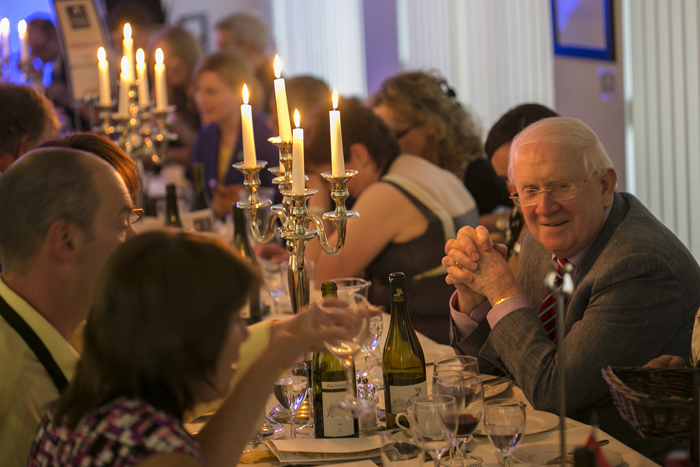
Next Monday’s nationwide program July 15thare featuring these artisan food producers who recently staged their now esteemed Long Table Dinner in Brussels, the home of the European Union.

In the lead up to the dinner, RTE followed the preparation for the event here in Tipperary and Nationwide’s Ann Cassin travels with the producers to Brussels and covers the entire event including the launch of www.tipperaryfoodproducers.com – a new state of the art website designed by students of LIT Tipperary and the Long Table Dinner itself which was hosted by Phil Prendergast and attended by our recently appointed Minister of State at the Department of Agriculture, Food and Fisheries – Tom Hayes.

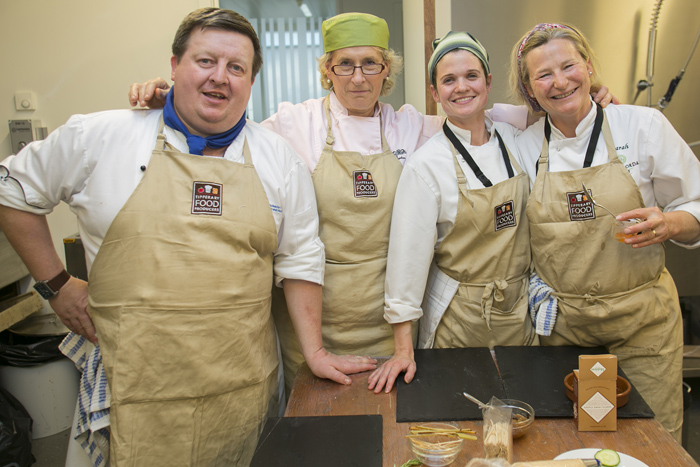
This 7th Long Table Dinner celebrated the fantastic quality of natural food been produced here in Tipperary. It provided an opportunity for all Tipperary Food Producers who wish to export to connect with international buyers and showcase their products.  The Long Table Dinner was prepared and cooked in Brussels by two of the network members, Barbara Russell of Russell Catering and Sarah Baker of Cloughjordan House.

Speaking at the event Pat Whelan (Chairman) of the Tipperary Food Producers Network said “The Tipperary Food Producers are an ambitious group of artisan businesses and with the fantastic support of our local Co. Councils, Enterprise Boards & Development Companies are making great inroads in developing Tipperary as iconic food destination”

The Tipperary Food Producers Network has an impressive 2020 Food Strategy which they are committed to implementing over the next number of years, according to Mr. Whelan “food is our most natural of resources for which we have worldwide recognition, and we the Tipperary Food Producers are determined to build on this reputation and reap the benefit not just for producers of Food but for the County as a whole”.

We hope you enjoyed reading this post by Pat Whelan of James Whelan Butchers. Pat is a 5th generation butcher, cook book author and the director of  James Whelan Butchers with shops in Clonmel, the Avoca Handweavers Rathcoole and Kilmacanogue, Dunnes Stores Cornelscourt, Rathmines and Swords in Dublin. Sign up to our newsletter for more updates from James Whelan Butchers