
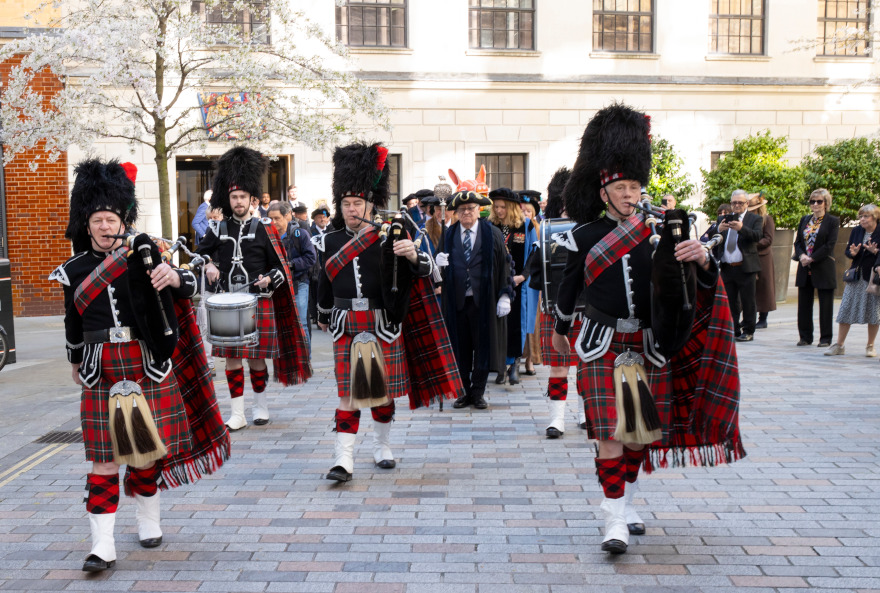
I had the privilege of attending this year’s parade and Sheep Drive, and it’s one of those experiences that stays with you long after the day itself. Standing in the heart of the City of London, watching Liverymen in full regalia and sheep making their steady, unapologetic way through the streets, I was struck by something simple but powerful—this wasn’t just tradition on display, it was history still very much alive.
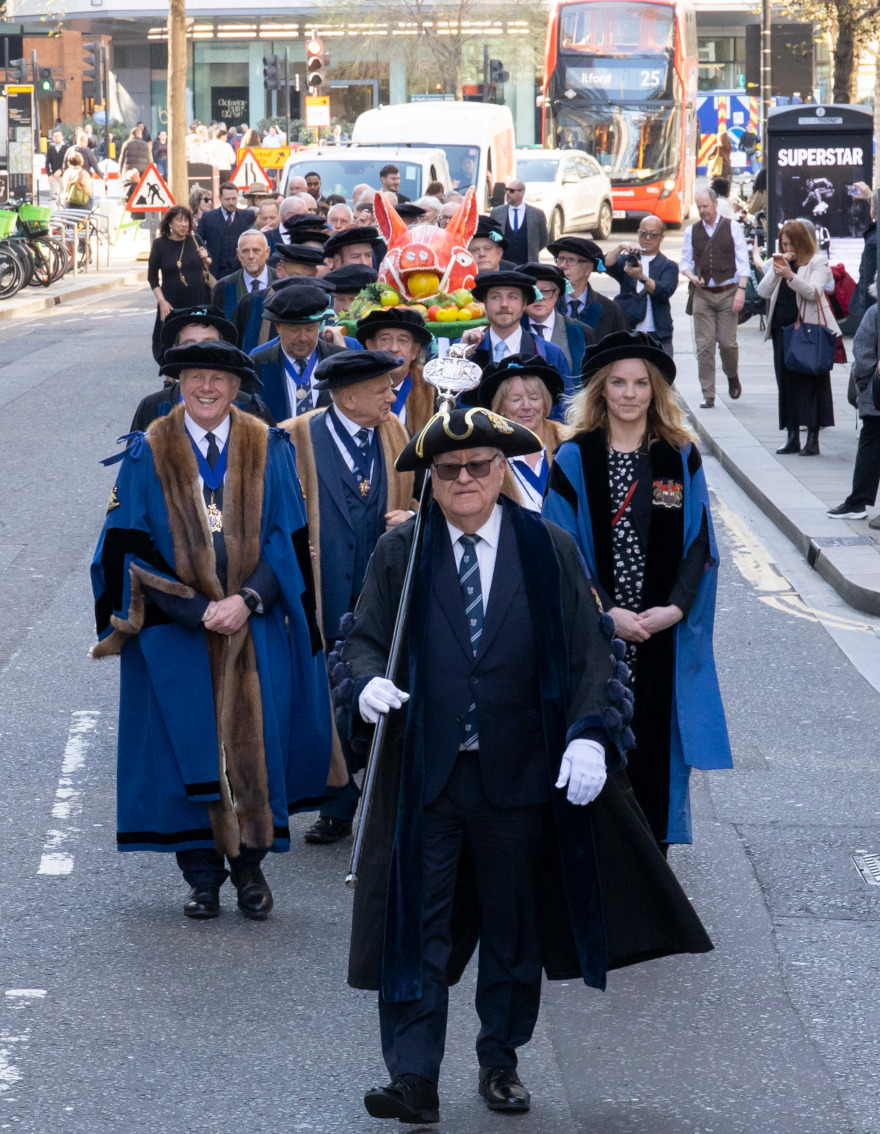
The Worshipful Company of Butchers is one of the oldest of the 110 City of London Livery Companies, with roots stretching back to 975 AD. Ranked 24th in order of precedence, it holds a significant place in the fabric of the City. But this isn’t an organisation resting on its past. It continues to play a central role in one of the country’s most important industries—the British meat trade—bringing together people from across the sector and beyond.
What makes the Company stand out is its clear sense of purpose. At its core is a commitment to Charity, Education, and Fellowship—principles that aren’t just spoken about, but actively lived out.
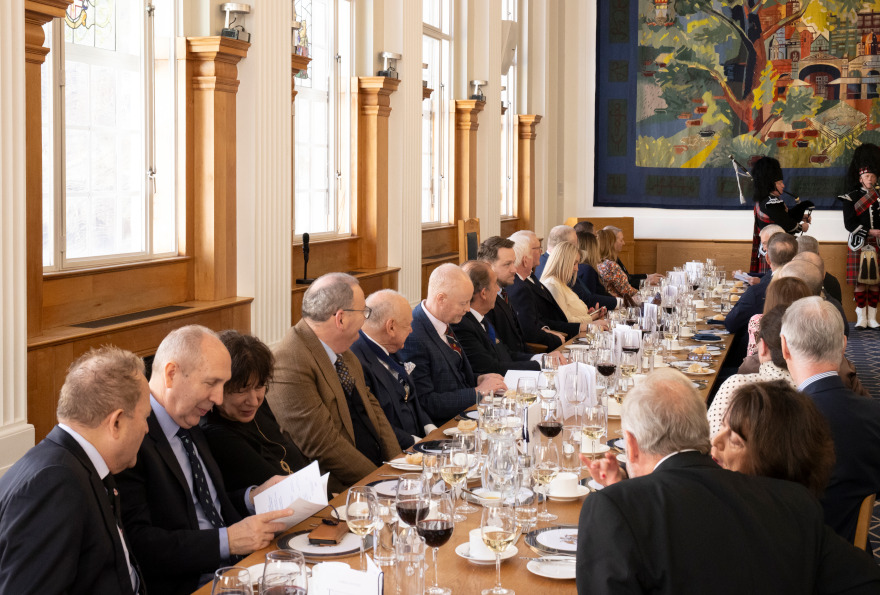
You see it immediately in the Company’s renowned Court Lunches. I had heard plenty about them, but experiencing one firsthand is something else entirely. Yes, the food is exceptional—unsurprisingly, given the expertise of the Liverymen—but it’s the atmosphere that leaves the real impression. There’s a genuine sense of camaraderie, a shared pride, and a warmth that’s hard to replicate. Add in a first-class speaker, and you begin to understand why these gatherings are so highly regarded. Unique is an overused word, but here it fits.
Beyond the dining table, the Company’s influence is both wide-ranging and meaningful. There is a clear focus on developing the future of the industry—through apprenticeship schemes, the sponsorship of butchery competitions, and funding for training and education, including bursaries at Harper Adams University and support for Nuffield Scholarships. These are not token gestures; they are tangible investments in skills, standards, and the next generation.
And then there are the traditions—arguably the most visible and memorable aspect of the Company’s identity.
The Sheep Drive is a perfect example. Its origins date back to 1343, when land was granted to the Butchers by the Lord Mayor, with the drive symbolising the payment of rent. While the practicalities of that arrangement have long since faded, the ceremony continues—and with good reason. Watching traffic come to a standstill as sheep pass through the streets, accompanied by Liverymen, is both surreal and deeply symbolic. It’s a reminder of where the trade began and how it has evolved, without ever losing sight of its roots.
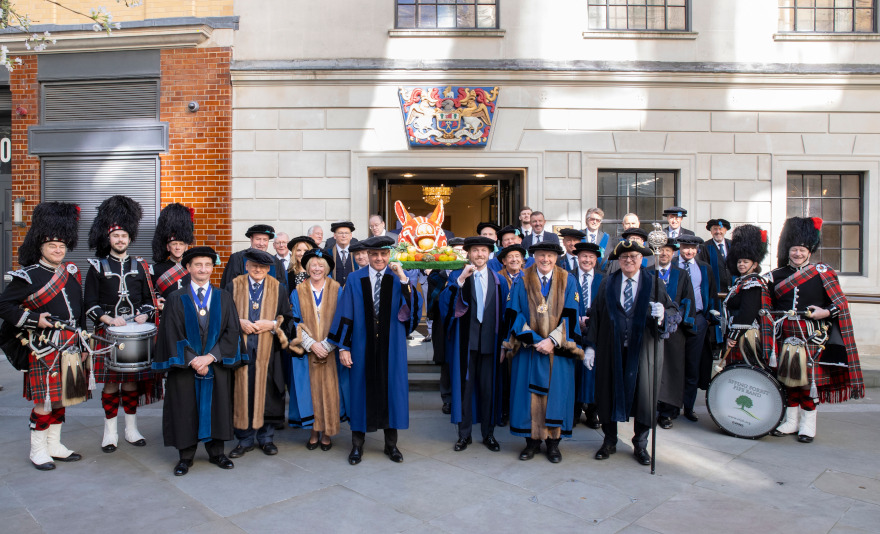
Equally striking is the tradition of presenting a Boar’s Head to the Lord Mayor at Mansion House. It’s a ceremony rich in history and carried out with pride, reinforcing the enduring relationship between the Company and the civic life of the City.
What many people may not realise is that Livery Companies like the Butchers are not merely ceremonial. They continue to play an active role in the governance of the City of London. Every Liveryman must first become a Freeman of the City, and with that comes the privilege—and responsibility—of participating in the election of the Lord Mayor and Sheriffs. It is a system built on tradition, but one that remains relevant and effective.
Importantly, membership of the Livery is not about personal gain. It is an act of commitment—to good governance, to community service, and to maintaining the standards and values of the profession. The respect it brings is earned through contribution, not status.
The Company’s connections with the Crown further underline its historic and ongoing significance. From early ties involving market rights and grazing, through to more recent moments such as Queen Elizabeth, the Queen Mother becoming an Honorary Freeman in 1976, and the Princess Royal serving as Master in 2010, the relationship reflects both continuity and relevance.
As I left the parade, what stayed with me was not just the spectacle, but the substance behind it. The Worshipful Company of Butchers has managed something quite rare—it has preserved centuries of tradition while continuing to evolve and contribute in meaningful ways to modern industry and civic life.
It honours its past, supports its present, and invests in its future, all while fostering a strong sense of fellowship among its members.
If you ever have the opportunity to witness it firsthand—even just once—I would strongly recommend taking it.
It’s far more than a ceremonial event.
It’s a living tradition.


